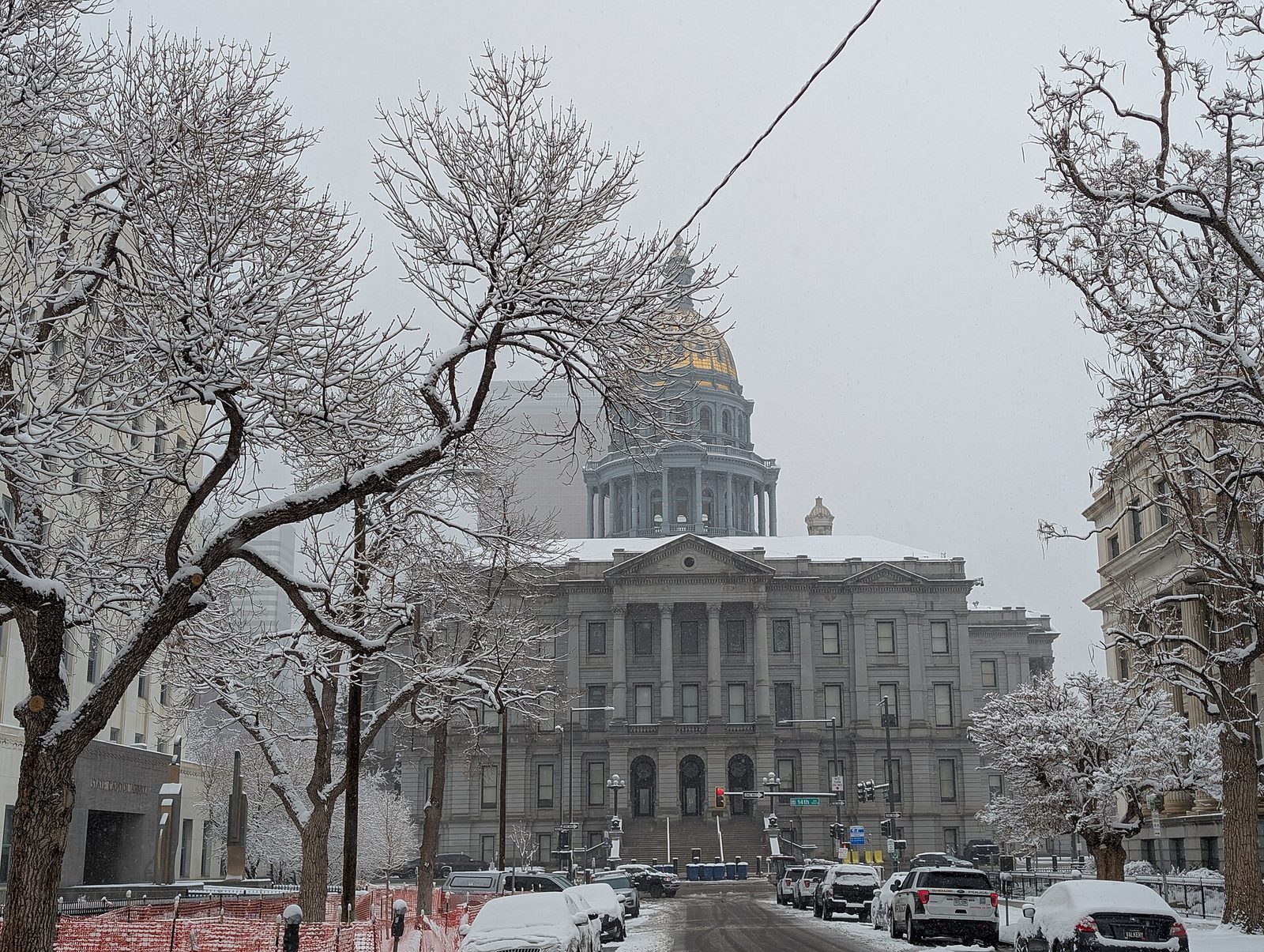
A March afternoon in Denver can reach 65 degrees, bright enough for lunch on a patio, and by the next morning the same patio can be under eight inches of snow. Neither day is unusual. That is the first thing to understand about Denver weather by month: the averages look mild and orderly, but the days that make them up swing hard, and it is the swings, not the averages, that decide what you pack and how you plan a day.
This guide takes each month in turn, with the 1991–2020 NOAA climate normals measured at Denver International Airport, sunrise and sunset times, and what the weather actually feels like at 5,280 feet. Then it covers the patterns behind the numbers: when the snow really falls, the afternoon thunderstorms, hail, smoke and ozone, the altitude sun, and how different the mountains are from the city. It finishes with what to pack for each season. Which month to choose for prices, crowds and events is a separate question, and our guide to the best time to visit Denver makes that call; this page is about the weather itself. Climate figures were checked in September and October 2026.
Denver Weather at a Glance
| Month | Avg high | Avg low | Precipitation | Snow | Daylight (mid-month) |
|---|---|---|---|---|---|
| January | 44.6°F | 18.7°F | 0.38 in | 6.4 in | 9h 39m |
| February | 45.7°F | 19.7°F | 0.41 in | 7.6 in | 10h 41m |
| March | 55.7°F | 27.5°F | 0.86 in | 8.8 in | 11h 52m |
| April | 61.7°F | 33.9°F | 1.68 in | 6.2 in | 13h 13m |
| May | 71.2°F | 43.6°F | 2.16 in | 1.4 in | 14h 20m |
| June | 83.4°F | 53.0°F | 1.94 in | 0.0 in | 14h 58m |
| July | 89.9°F | 60.2°F | 2.14 in | 0.0 in | 14h 44m |
| August | 87.5°F | 58.3°F | 1.58 in | 0.0 in | 13h 47m |
| September | 79.6°F | 50.0°F | 1.35 in | 0.8 in | 12h 31m |
| October | 65.3°F | 37.0°F | 0.99 in | 3.9 in | 11h 14m |
| November | 52.9°F | 26.0°F | 0.64 in | 7.3 in | 10h 02m |
| December | 44.0°F | 18.4°F | 0.35 in | 6.6 in | 9h 23m |
Across the year that adds up to about 14.5 inches of precipitation, less than half what New York or Chicago receives, and 49 inches of snow. Denver averages around 270 clear and partly cloudy days a year and roughly 3,200 hours of sunshine. The familiar “300 days of sunshine” is marketing rounding, but the city is genuinely sunny, and that sun changes how every temperature on this page feels.
What Makes Denver’s Weather Different
Three pieces of geography explain almost everything about the weather here.
Denver is a high-plains city. It sits at 5,280 feet on the western edge of the Great Plains, with no ocean or large lake to moderate the temperature. Air this thin and this dry holds very little heat. On a typical day the gap between the afternoon high and the overnight low is 26 to 30 degrees in every month of the year, so a 90-degree July afternoon regularly becomes a 60-degree night, and a sunny 50-degree January afternoon drops well below freezing after dark.
The mountains are to the west. Most weather in this part of the world moves from west to east, and the Rockies wring the moisture out of it before it reaches the city. That is why Denver is semi-arid while the ski resorts an hour away measure their snow in hundreds of inches. It also produces the chinook, a warm, dry wind that drops down the eastern slopes in winter and can lift the temperature by 20 degrees or more in a few hours, melting a week’s snow in an afternoon.
The big storms come from the east. Denver’s heaviest snow does not arrive over the mountains. It comes when moist air from the plains is pushed westward against the Front Range and forced upward, a pattern meteorologists call upslope. Upslope storms are most common in spring, which is why March, not January, is the snowiest month, and why a storm that buries the city may leave the ski areas almost untouched.
Denver Weather Month by Month
Sunrise and sunset times are for the 15th of each month in downtown Denver, in local time. Daylight saving time runs from the second Sunday in March to the first Sunday in November.
January
Average high 44.6°F, low 18.7°F; 0.38 inches of precipitation and 6.4 inches of snow. Sunrise about 7:19am, sunset about 4:57pm.
January is cold, dry and bright, and much less snowy than its reputation. Most days are clear, and a sunny afternoon in the mid-40s feels warmer than the number suggests, because the sun is strong at this altitude even in midwinter. The cold arrives in bursts: an arctic front can push lows below zero for a night or two, and then a chinook brings a 60-degree afternoon a few days later. Snow tends to fall in a handful of storms and melt off sunny streets within days, though it lingers in the shade and on north-facing sidewalks, which turn icy. The dryness is the thing visitors notice most: lips, hands and sinuses all feel it within a day.
February
Average high 45.7°F, low 19.7°F; 0.41 inches of precipitation and 7.6 inches of snow. Sunrise about 6:53am, sunset about 5:34pm.
Statistically February looks like January with a little more snow, and the light is the difference you notice: the afternoons stretch past 5:30, and by the end of the month 50-degree days are common. Storms become more frequent and slightly wetter as the month goes on. It is often the best month of the season for skiing in the mountains, which has nothing to do with the city’s weather and a great deal to do with traffic on I-70 at weekends.
March
Average high 55.7°F, low 27.5°F; 0.86 inches of precipitation and 8.8 inches of snow. Sunrise about 7:13am, sunset about 7:05pm, after the clocks change.
March is the snowiest month in Denver, and also one of the most pleasant, which sounds contradictory until you see how it works. The snow usually arrives in one or two big upslope storms, heavy and wet, and several of the city’s largest snowstorms on record have come in March. Between them come long runs of bright days in the 50s and 60s that feel like spring. A big storm can close roads and delay flights for a day; within two or three days the streets are dry again. If you visit in March, plan one indoor day you can move around, and pack for both versions of the month.
April
Average high 61.7°F, low 33.9°F; 1.68 inches of precipitation and 6.2 inches of snow. Sunrise about 6:23am, sunset about 7:36pm.
April is changeable to the point of comedy. A week can hold a 75-degree day, a cold rain, and a snowstorm that flattens the tulips, all inside five days. Precipitation nearly doubles from March, and more of it falls as rain, especially late in the month. Trees leaf out, the city turns green, and the parks fill up whenever the sun is out. The mountains are in mud season: most ski areas close during the month, high trails are still snowbound, and foothills trails can be muddy. Bring a waterproof layer and shoes that can handle slush, and expect to use both.
May
Average high 71.2°F, low 43.6°F; 2.16 inches of precipitation and 1.4 inches of snow. Sunrise about 5:45am, sunset about 8:06pm.
May is Denver’s wettest month by total precipitation, though “wet” here is relative: 2.16 inches spread across a month is still drier than most American cities manage. Rain arrives in showers and the occasional soaking spring storm, and a late snow remains possible in the first half of the month. Thunderstorms begin to appear, along with the start of hail season. When it is fine, it is very fine: green, warm and long-evening, with the lilacs out and the patios open. The high country is still melting, so mountain roads and trails above the tree line are often not yet open.
June
Average high 83.4°F, low 53.0°F; 1.94 inches of precipitation and no measurable snow. Sunrise about 5:31am, sunset about 8:28pm.
June is warm, sunny and usually less stormy than July, with the longest days of the year: around the solstice, the sun rises at about 5:31am and sets at about 8:30pm. Afternoons can be hot, and the record for the city, 105°F, was tied on two consecutive days in late June 2012, but the low humidity makes heat easier to bear than in the East or South, and the nights cool off fast. Early June is also peak hail season along the Front Range. Snowmelt keeps rivers high and cold, and the mountains open up through the month as roads and passes clear.
July
Average high 89.9°F, low 60.2°F; 2.14 inches of precipitation. Sunrise about 5:43am, sunset about 8:27pm.
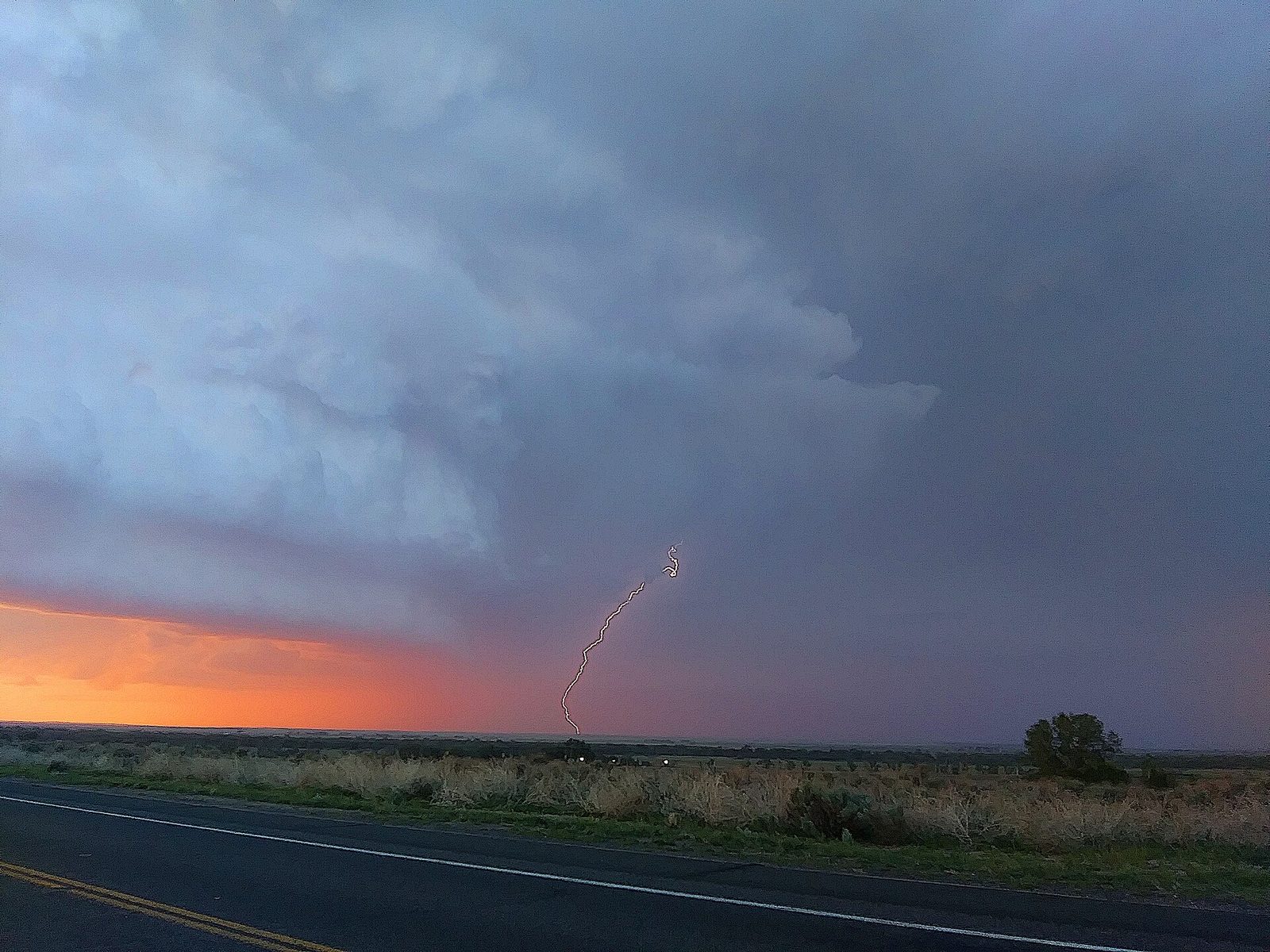
July is the hottest month, with highs near 90 and a good number of days above it. Its defining pattern is the afternoon thunderstorm. From roughly early July, monsoon moisture arrives from the south and storms build over the mountains most days around midday, then roll east across the city, typically between about two and six in the afternoon. They bring lightning, gusty wind, a short heavy downpour and sometimes hail, and then they clear for a cool, fresh evening. Plan outdoor activity for the morning, keep the afternoon flexible, and do not be on an exposed ridge when the clouds tower up.
August
Average high 87.5°F, low 58.3°F; 1.58 inches of precipitation. Sunrise about 6:11am, sunset about 7:58pm.
August continues July’s pattern with slightly less heat and, usually, fewer storms as the month goes on. It is the month when wildfire smoke from fires elsewhere in the West is most likely to haze the skyline, though in many summers it never arrives at all. In the mountains, August is the high season for hiking above the tree line, and the same rule applies with more force: start early, be heading down by early afternoon. The evenings are warm enough to sit out late, and the first cool nights arrive toward the end of the month.
September
Average high 79.6°F, low 50.0°F; 1.35 inches of precipitation and 0.8 inches of snow. Sunrise about 6:39am, sunset about 7:10pm.
September is the most reliable weather of the year in Denver: warm, dry, sunny and stable, with the afternoon storms fading away and the evenings turning crisp. The mountains are at their best, and the aspens turn gold in the high country from mid-month, usually peaking in the second half of September into early October, depending on elevation and year. Snow in Denver is rare this early but not unknown: the earliest measurable snow on record fell on 3 September 1961.
October
Average high 65.3°F, low 37.0°F; 0.99 inches of precipitation and 3.9 inches of snow. Sunrise about 7:08am, sunset about 6:22pm.
October starts as an extension of September and ends as a preview of winter. The average first freeze arrives around 7 October, and the average date of the first measurable snow is 18 October, so most years bring at least one storm, often a quick one that melts within a day or two. Between storms, the days are clear and comfortable, and the city’s trees turn color through the month. Nights get cold quickly; pack a proper warm layer for the evening even if the afternoon is in the 70s.
November
Average high 52.9°F, low 26.0°F; 0.64 inches of precipitation and 7.3 inches of snow. Sunrise about 6:43am, sunset about 4:45pm, after the clocks go back.
November is surprisingly snowy, with 7.3 inches on average, nearly as much as February, but it is also full of mild, sunny days in the 50s and 60s. The change in the evenings is the biggest adjustment: once daylight saving time ends in early November, it is dark before five. The ski areas begin to open, usually on snowmaking at first, and winter driving conditions return to I-70. The Front Range winter air quality season also begins on 1 November, when inversions can trap a brown haze over the city on still days.
December
Average high 44.0°F, low 18.4°F; 0.35 inches of precipitation and 6.6 inches of snow. Sunrise about 7:13am, sunset about 4:36pm.
December is the driest month and, by the numbers, the coldest, though the difference between it and January is small. The shortest day, around 21 December, has a little over nine hours of daylight, with sunset at about 4:38pm. Expect a mixture of cold, crisp, sunny days and a few snowstorms, plus the occasional chinook that lifts a holiday weekend into the 60s. A white Christmas in the city is far from guaranteed; in the mountains it almost always is.
Snow in Denver: When It Comes and How Long It Stays
Visitors routinely overestimate how snowy Denver is in winter and underestimate how snowy it is in spring. The figures from the National Weather Service tell the story.
- First measurable snow: 18 October on average. The earliest on record was 3 September 1961; the latest, 21 November 1934.
- Last snow: 27 April on average, and a May storm is not unusual.
- Snowiest month: March, at 8.8 inches, then February and November.
- Annual total: 49 inches, arriving in perhaps half a dozen meaningful storms.
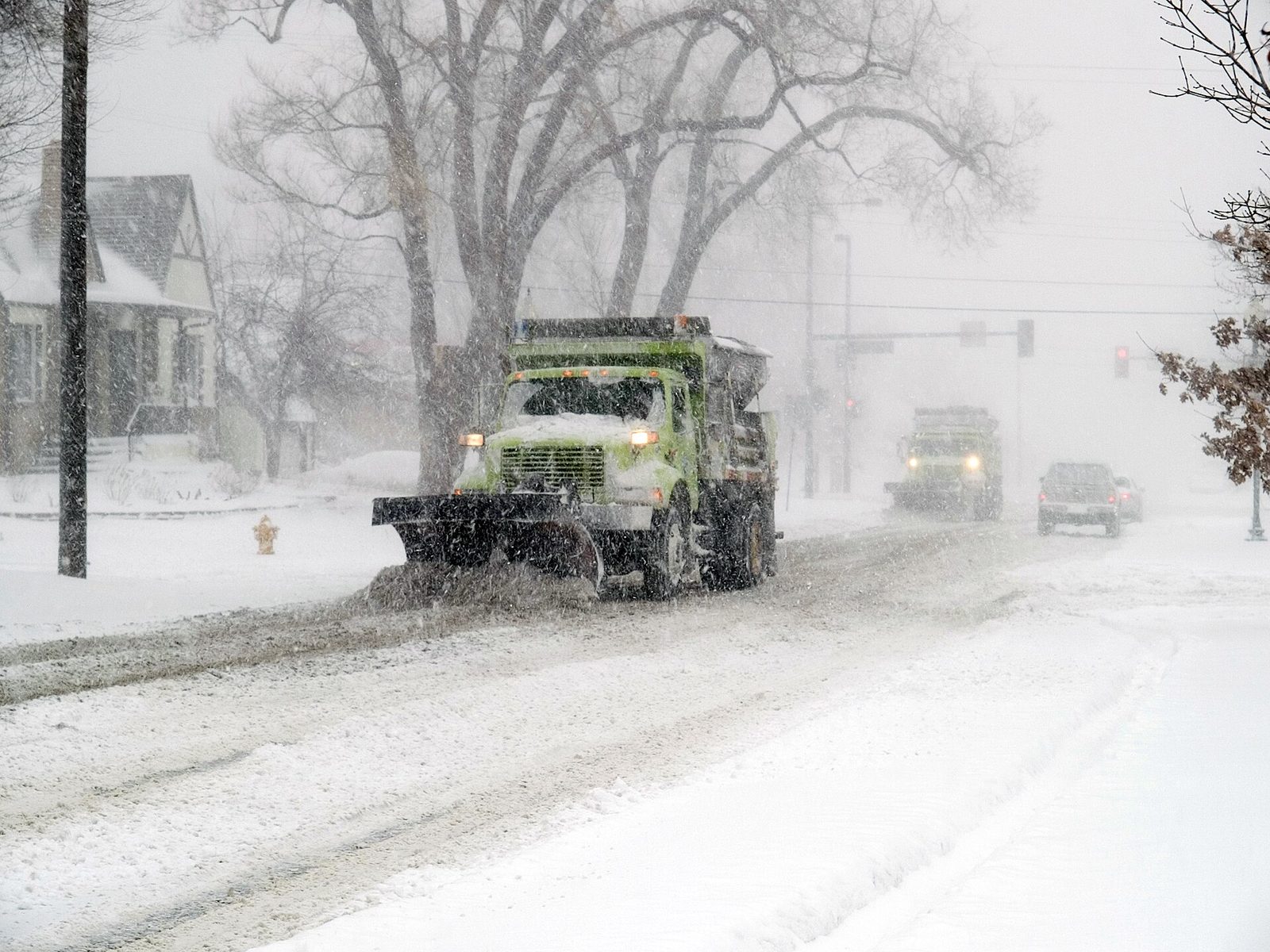
What matters more for a visitor is how fast it goes. Strong sun, dry air and frequent mild days mean that snow on sunny streets is often gone within a day or two of a storm, and a sidewalk that was shin-deep on Tuesday can be bare by Thursday. The exceptions are shaded north-facing sidewalks, trails in the foothills, which can stay icy for weeks, and the hours right after a storm, when the roads are worst. Pack shoes with grip rather than heavy snow boots for a city trip, and bring traction devices for winter hiking.
The mountains are a different matter entirely. The ski areas west of Denver commonly measure several hundred inches a season, and I-70 can close for hours in a storm. If your trip depends on a mountain day in winter, check the Colorado Department of Transportation’s road conditions before you set off.
Summer Storms, Hail and Lightning
Denver’s summers are hot, sunny and dry in the morning, and stormy in the afternoon more often than not, especially from early July through August.
The daily cycle is remarkably consistent. Clear mornings give way to cumulus clouds over the mountains around late morning, which grow into thunderstorms by early afternoon and drift east over the city. The storms are usually short and intense, with lightning, wind and a sudden downpour, and they often clear by evening. The practical rule for hikers is simple: start early and be off summits and ridges by about noon.
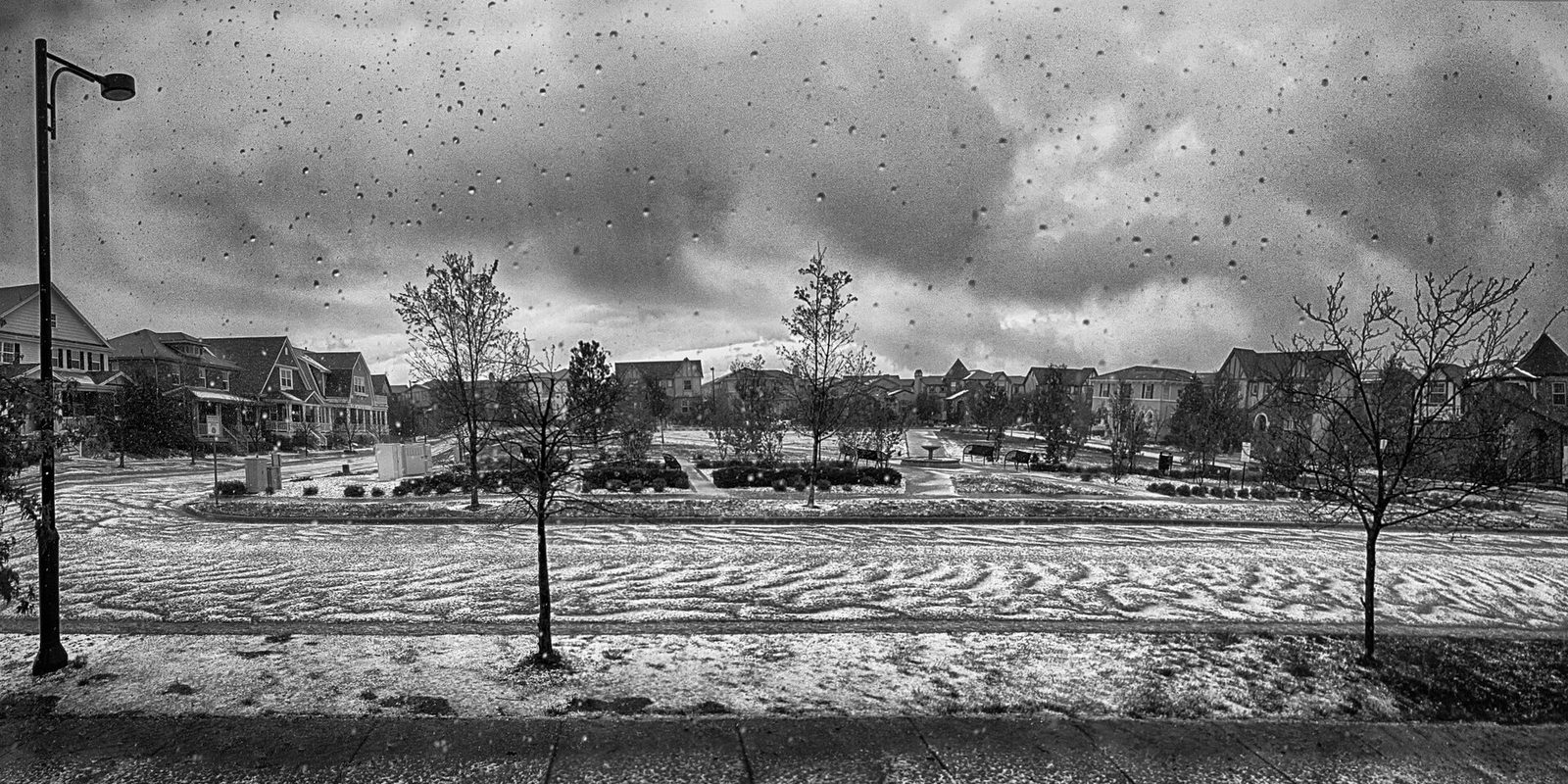
Hail is the Front Range’s signature hazard. The season runs from about May through August, peaking in late spring and early summer, and the plains east of the mountains see some of the most frequent hail in the country. Most hail is small. Occasionally it is not: the May 2017 hailstorm over west Denver is remembered as one of the most expensive storms in Colorado’s history. If you have a rental car and hail is forecast, a parking garage is worth the fee.
Lightning is the real danger above the tree line, where you are the tallest thing around. If you hear thunder, you are close enough to be struck; head down immediately. In the city, outdoor events such as concerts at Red Rocks pause for nearby lightning and resume when it passes, so a storm at showtime usually means a delay rather than a cancellation. Our guide to Red Rocks Amphitheatre covers what to bring for a summer show.
Tornadoes are a feature of the plains east of Denver in late spring and early summer, and only rarely of the city itself. Most are brief and weak, but if a tornado warning is issued, take it seriously and get inside.
Smoke, Ozone and Air Quality
Denver’s air is usually clean and clear, but there are two seasonal exceptions worth knowing about.
Summer ozone. Hot, sunny, still afternoons cook vehicle and industrial emissions into ground-level ozone along the Front Range. The Colorado Department of Public Health and Environment and the Regional Air Quality Council run an Ozone Action Day Alert program from 1 June through the summer, covering the Front Range Urban Corridor from Douglas County north to Larimer and Weld counties. On alert days, ozone can reach levels unhealthy for sensitive groups in the afternoon, often highest toward the foothills. If you have asthma or a heart or lung condition, plan strenuous exercise for the morning on those days.
Wildfire smoke. In some summers and early falls, smoke from fires in Colorado or elsewhere in the West hazes the skyline, turns sunsets red and lowers air quality for days at a time. It is unpredictable: some years bring weeks of it, others none. We will not forecast it here. Check AirNow or the state’s air quality site for current conditions and advisories before a hike or a long day outdoors.
Winter inversions. From 1 November the state runs a separate winter high pollution advisory program. On cold, still days, a layer of warm air can trap pollution near the ground and produce the brown haze locals call the brown cloud. It usually clears when the wind picks up.
Altitude: The Sun, the Dryness and Your Body
The altitude is part of the weather here. At 5,280 feet there is roughly 25 percent less atmosphere overhead than at sea level, and three consequences follow.
The sun is stronger. There is less air to filter ultraviolet light, so you burn faster at any time of year, and snow on the ground reflects it back up at you. People get sunburned in March and January as readily as in July. Sunscreen, sunglasses and lip balm with SPF are year-round items, not summer ones. A sunny 45-degree day can feel warm in direct sun and chilly the moment you step into shade, which is why layers work better here than one heavy coat.
The air is dry. Low humidity makes summer heat more comfortable and winter cold more bearable, but it dehydrates you quickly and without much warning. Official visitor advice is to drink about twice your usual amount of water, especially in the first days. Expect dry skin, chapped lips and the occasional nosebleed, and pack a good moisturizer.
You tire earlier. Most visitors notice the altitude on the first day or two as shortness of breath on stairs and an earlier, heavier tiredness than usual. Go easy on alcohol until you have acclimatized, and scale back exercise: a sea-level runner who would do 10 miles should think 6. Symptoms of altitude illness become more likely as you go higher into the mountains; anything medical, including advice about a specific condition, belongs with your own doctor. Our Denver travel tips cover the altitude in more practical detail.
Mountain Weather Is a Different Climate
A forecast for Denver tells you very little about the mountains, even those you can see from downtown. Temperatures fall by roughly 3 to 5 degrees Fahrenheit for every 1,000 feet you climb, and the destinations most visitors drive to are a long way up.
| Place | Approximate elevation | What that means |
|---|---|---|
| Denver | 5,280 ft | The baseline: the normals on this page |
| Red Rocks Park | about 6,400 ft | A few degrees cooler, and more exposed to storms |
| Idaho Springs | about 7,500 ft | Noticeably cooler; snow lingers longer |
| Eisenhower–Johnson tunnels on I-70 | over 11,000 ft | Winter conditions for much of the year |
| Trail Ridge Road, Rocky Mountain National Park | 12,183 ft at its high point | Roughly 25 to 35 degrees colder than Denver; snow possible in any month |
| Mount Blue Sky summit | over 14,000 ft | Alpine weather even in midsummer |
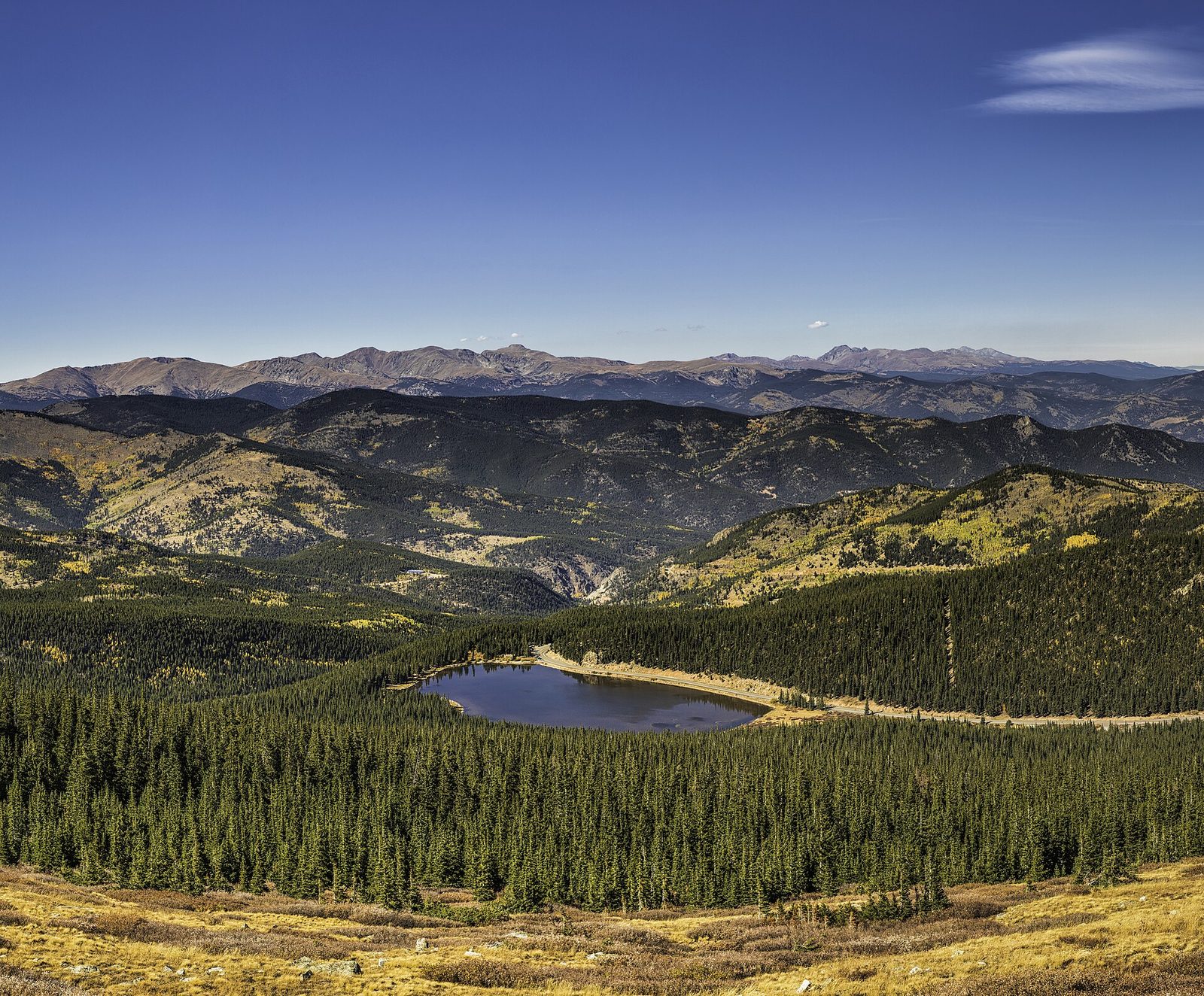
In practice, a 90-degree July day in Denver can mean 50s, wind and a hailstorm on Trail Ridge Road. Mountain roads open and close with the seasons: Trail Ridge Road and the Mount Blue Sky road are summer-only, and their opening dates depend on the snow, so never count on them outside high summer. Pack a warm layer, a hat and a rain shell for any mountain day, whatever the forecast in the city. Our guide to day trips from Denver covers the roads and the seasons.
What the Weather Means for Common Plans
Most trips are built around a few fixed things, and each has its own weather window. This is how the climate lines up with them, independent of prices and crowds.
| Plan | Best months for the weather | What to watch for |
|---|---|---|
| A concert at Red Rocks | Late May to September | Cold evenings in May and September; afternoon storms and lightning delays in July and August |
| Foothills hiking | April to November | Mud in spring, ice in shaded spots from November, storms on summer afternoons |
| Hiking above the tree line | July to mid-September | Snow lingers into early July; be off summits by about noon |
| Skiing | December to March | I-70 storms and weekend traffic; spring snow can be the best of the season |
| A Rockies game at Coors Field | June to early September | April and May night games are cold, and early-season snow can postpone a game |
| A Broncos game | September to October for comfort | December and January games can be bitterly cold after dark |
| Gardens and patios | May to early October | A late frost in May; cool evenings from late September |
| Trail Ridge Road and Mount Blue Sky | Summer only | Opening and closing dates depend on the snow; check before you drive |
For the sporting calendar and how to get to each venue, see our guide to Denver sports.
Wind, Flights and Driving
Denver is not a notably windy city most of the time, but spring is its breeziest season, and the foothills and Boulder can see violent downslope gusts in winter when a chinook sets up. On the plains east of the city, including the long drive out to the airport, crosswinds and blowing snow are worth respecting in a storm.
Denver International Airport is built for snow and usually keeps operating through ordinary storms, but the big spring upslope storms can still cause waves of delays and cancellations, and lightning from summer thunderstorms can pause ground operations and back up departures on stormy afternoons. If you are flying out on a day with a major storm forecast, check with your airline early and allow extra time for the drive or the A Line. Our Denver airport guide covers getting to and through DEN.
In the city, the worst driving is during and immediately after a snowstorm, before the plows have caught up, and on the shaded side streets that stay icy for days. Hail is the other driving hazard: if you see it coming, pull into a garage or under cover rather than driving through it. For mountain driving, the rule never changes: check road conditions before you leave, carry water, food and warm clothes in the car, and turn around if the weather turns.
What to Pack for Denver, Season by Season
The single most useful packing rule for Denver is layers. A warm afternoon and a cold evening are standard in every season, and the sun makes the same temperature feel very different in and out of the shade.
| Season | Clothing | Don’t forget |
|---|---|---|
| Winter (December to February) | Insulated jacket, warm layers, hat and gloves, shoes with good grip | Sunglasses and sunscreen for the glare; moisturizer and lip balm |
| Spring (March to May) | Waterproof jacket, a warm mid-layer, shoes that can handle slush | Something for a 70-degree day and something for a snowstorm, in the same week |
| Summer (June to August) | Light clothing, a sun hat, a light rain shell, a warm layer for evenings | A refillable water bottle and high-SPF sunscreen |
| Fall (September to November) | Light layers early in the season, a proper jacket from late October | A hat and gloves for mountain days and late-season evenings |
A few items earn their place in any season: a refillable water bottle, because Denver’s tap water is good and you need twice as much of it; sunglasses; lip balm with SPF; and a packable warm layer. For mountain days, add a hat, gloves and a rain shell even in summer, and for winter hiking, slip-on traction devices for icy trails.
Planning Around Denver’s Weather
- Do outdoor things in the morning from June to August, and keep afternoons for museums, breweries or a nap.
- Keep one flexible day on a winter or spring trip, so a snowstorm moves your plans rather than cancels them. The city’s museums are excellent places to sit one out; our guide to Denver museums lists them.
- Check the forecast for where you are going, not where you are. The National Weather Service office in Boulder issues the forecasts for both the city and the mountains.
- Check I-70 before any mountain drive from fall to spring, and remember that Colorado’s traction law requires adequate tires or chains on the mountain corridor when it is in force.
- Do not trust a single day. If the forecast for your visit looks bad, look again tomorrow. Denver weather changes fast in both directions.
For the full picture of what to do whatever the weather, see things to do in Denver, and for hiking by season, our guide to the best hikes near Denver.
Frequently Asked Questions
What is the warmest month in Denver?
July, with an average high of 89.9°F and an average low of 60.2°F. August is close behind. The city’s record high is 105°F, reached in 1878, 2005 and on two consecutive days in June 2012.
What is the coldest month in Denver?
December and January are almost identical: average highs of 44.0°F and 44.6°F and lows around 18 to 19°F. Arctic fronts can push nights well below zero, but sunny days in the 40s and 50s are common in both months.
When does it snow in Denver?
Usually from mid-October to late April. The average first measurable snow falls on 18 October and the last on 27 April. March is the snowiest month, with 8.8 inches on average, followed by February and November.
Does Denver get a lot of snow?
About 49 inches a year, but it arrives in a handful of storms and melts quickly in the strong sun, so the city is rarely snow-covered for long. The mountains west of Denver get far more.
Is Denver humid?
No. Denver is semi-arid, with about 14.5 inches of precipitation a year. The dry air makes summer heat more comfortable but dehydrates you quickly, so drink about twice your usual water.
When is thunderstorm season in Denver?
Mainly from early July through August, when storms build over the mountains around midday and cross the city in the afternoon, typically between about two and six. Thunderstorms and hail also occur from May.
What is the weather like in Denver in October?
Mostly clear and comfortable, with an average high of 65.3°F and a low of 37°F, cooling through the month. The average first freeze is around 7 October and the average first snow around 18 October, so expect at least one cold snap.
Does Denver really have 300 days of sunshine?
Not quite. The defensible figure is about 270 clear and partly cloudy days a year, roughly 3,200 hours of sunshine. That is still a very sunny city, and the sun is stronger at this altitude.
Nowhere shows the gap between city and mountain weather better than Trail Ridge Road in Rocky Mountain National Park, which climbs to 12,183 feet and can sit in near-freezing wind on a 90-degree Denver afternoon. Our guide to Rocky Mountain National Park from Denver covers the seasons up there, from the late-spring opening of the high road to the elk and aspens of September.
The storms that barely dust the city often bury the ski areas an hour to the west, and the spring upslope storms can do the reverse. Our guide to ski resorts near Denver covers when each mountain usually opens, the most reliable weeks for snow and how to time the I-70 drive around the weather.
Related Denver Guides
- Best Time to Visit Denver: which month to choose for prices, crowds and events.
- Denver Travel Tips: altitude, costs and the rotated grid.
- Denver Events: the calendar that shapes what a trip costs.
- Best Hikes Near Denver: trails for every season.
- Day Trips from Denver: mountain roads and when they open.
- Denver Museums: where to spend a snow day.
- Getting Around Denver: transit that keeps running in the snow.
- Solo Travel in Denver: hiking alone safely in mountain weather.
Photo Credits
Snowfall at the Colorado State Capitol, Denver: photo by Colorado Senate GOP / Wikimedia Commons (Public domain)
Snowplows on a residential street in Denver: photo by Michael Rieger, FEMA / Wikimedia Commons (Public domain)
Lightning and a shelf cloud east of Denver: photo by Stefan Klein / Wikimedia Commons (CC BY-SA 4.0)
Hail covering a neighborhood park in Denver: photo by Eric Johnson / Wikimedia Commons (CC BY-SA 3.0)
Echo Lake from the Mount Blue Sky road: photo by David Zhang / Wikimedia Commons (CC BY-SA 2.0)
Climate normals are the NOAA 1991–2020 series measured at Denver International Airport. First and last snow and freeze dates and temperature records are from the National Weather Service office in Boulder, and air quality programs from the Colorado Department of Public Health and Environment, all checked in September and October 2026. Sunrise and sunset times are calculated for downtown Denver and may differ by a minute or two from other sources. Nothing on this page is medical advice.
Denver Tourism Guide is an independent publication. We are not affiliated with VISIT DENVER, the City and County of Denver, the National Weather Service or any attraction listed here.