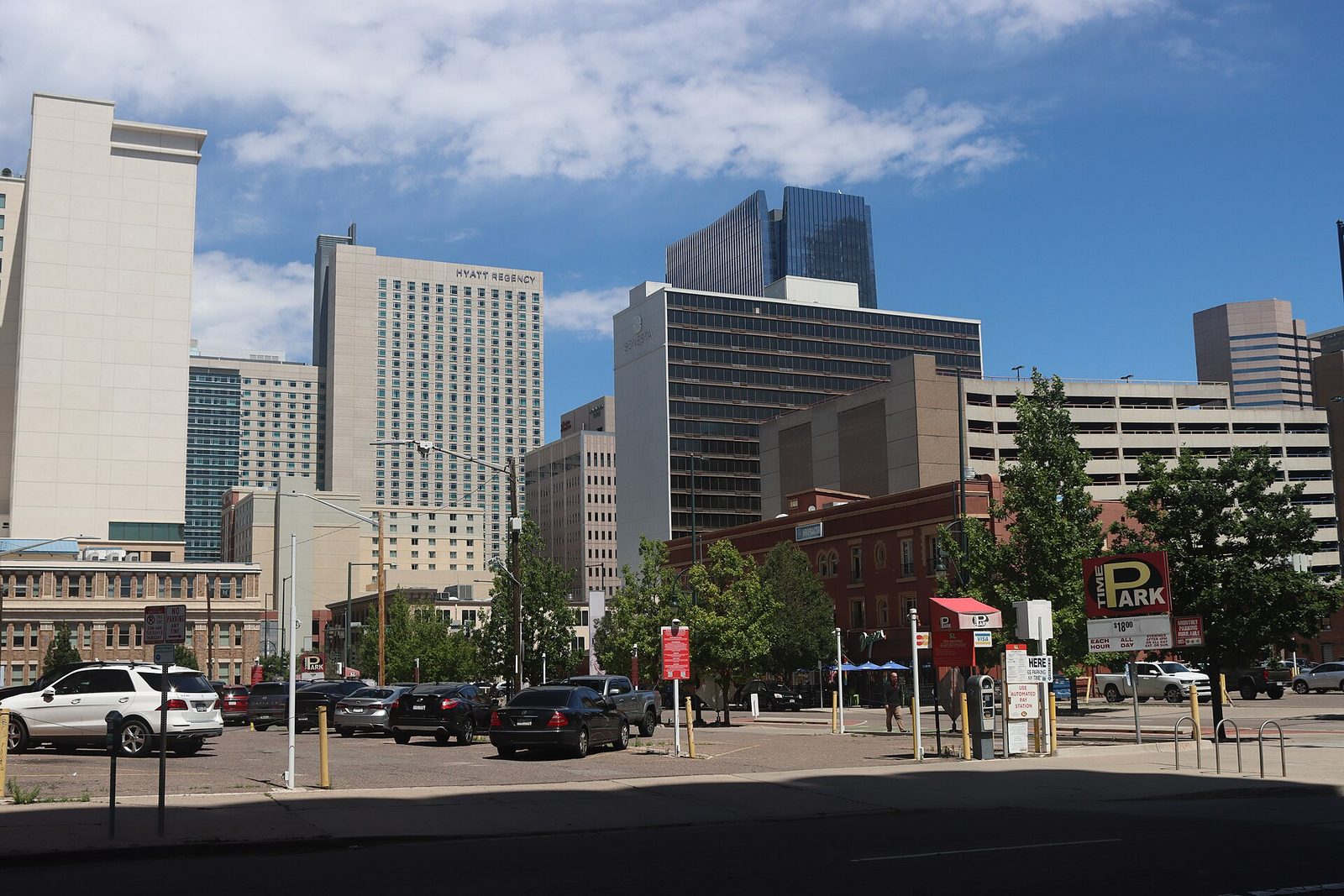
Denver rewards visitors who work out one thing early: it is a city next to the mountains, not in them. The Front Range fills the western horizon from almost every downtown intersection, and that view convinces a lot of first-timers to spend their short trip driving toward it. Sometimes that is the right call. Often it means burning a day on I-70 when the best parts of the trip — a walkable downtown core, one of the country’s better art museums, a 1914 train station that became the city’s living room, and a sandstone amphitheatre 30 minutes from your hotel — were all within a few miles of where you started.
There are more things to do in Denver than any short trip can absorb, so this guide is built to help you decide rather than simply to list. Every attraction below is here because it answers a specific question: what is worth your time if you have one day, what works when it snows, what you can reach without a car, what your kids will still be talking about, and what to skip if your budget is tight. Admission prices, hours and reservation rules were checked against operator and public-authority sources on 17 September 2026, and we say so at the bottom of the page so you know exactly how fresh the numbers are.
One practical note before anything else. Denver sits at 5,280 feet, and altitude quietly changes the first day of most trips. Plan a gentler opening day than you think you need, drink more water than feels reasonable, and treat the first evening’s drinks with respect. More on that near the end.
The short answer, if you only have a minute
If you want the decision made for you:
- One day: Union Station and Lower Downtown in the morning, the Denver Art Museum and the Capitol area after lunch, then Red Rocks at sunset if you have a car — or dinner in RiNo if you don’t.
- Two days: Add City Park — the Denver Museum of Nature & Science and either the zoo or the Botanic Gardens, depending on whether you are travelling with children.
- Three days: Add Meow Wolf’s Convergence Station, a proper walk through the RiNo murals, and a half-day in the foothills at Red Rocks, Golden or Lookout Mountain.
- With kids under 10: Children’s Museum, the zoo, the nature and science museum, and the Downtown Aquarium, in roughly that order of reliability.
- On a tight budget: Red Rocks, the Capitol tour, the Denver Mint, the RiNo murals, Confluence Park and the 16th Street FreeRide cost nothing beyond transport.
How we picked what is on this page
Denver has more attractions than any visitor can use, and ranked listicles rarely explain why one made the cut. Ours did if it met at least two of these tests: it is genuinely distinctive to Denver rather than a generic urban amenity; it holds up for a visitor who has two to four hours, not a resident with a season pass; and its operating details are published by the operator, so we can tell you what things cost and when they are open without guessing.
We have left out a few well-marketed places on purpose, and we say why where it matters. We also give realistic visit times rather than the optimistic ones, because the single most common planning mistake in Denver is stacking three ticketed attractions into one day and enjoying none of them.
Denver’s main attractions at a glance
Prices below are standard adult admission at the time of writing. Children, seniors, students, military and Colorado residents often pay less, and several museums run free days.
| Attraction | Best for | Realistic time | Adult admission | Booking | Indoor? |
|---|---|---|---|---|---|
| Denver Union Station | Architecture, drinks, orientation | 45–90 min | Free | None | Yes |
| Denver Art Museum | Art, rainy days, design | 2.5–4 hrs | $25–$30 | Advance advised | Yes |
| Denver Museum of Nature & Science | Families, dinosaurs, city views | 3–4 hrs | $27.95 | Advance advised | Yes |
| Denver Zoo Conservation Alliance | Families, half-day outdoors | 3–5 hrs | $27 | Timed ticket required | No |
| Denver Botanic Gardens | Slow mornings, plants, photography | 1.5–3 hrs | $16.25 | Advance advised | Mixed |
| Meow Wolf Convergence Station | Immersive art, teens, evenings | 2–3 hrs | From $37 | Timed ticket required | Yes |
| Red Rocks Park | Scenery, hiking, live music | 1.5 hrs–full evening | Free by day | None by day | No |
| Colorado State Capitol | History, views, free hours | 1 hr | Free | Walk-in | Yes |
| Denver Mint | Curiosity, industrial process | 1 hr | Free | Reserve ahead | Yes |
| History Colorado Center | State history, families | 2–3 hrs | $20 | Walk-in fine | Yes |
| Clyfford Still Museum | Focused art, quiet hour | 1–1.5 hrs | $10 | Timed ticket required | Yes |
| Downtown Aquarium | Younger kids, weather backup | 1.5–2 hrs | $29.99 | Walk-in fine | Yes |
| Children’s Museum of Denver | Under-8s | 2.5–4 hrs | $19.75 | Advance advised | Mixed |
| Molly Brown House | Titanic history, architecture | 1 hr | $17–$22 | Book ahead | Yes |
Downtown Denver on foot
Downtown is where a Denver trip should start, partly because it is compact and partly because it has changed more in the past two years than in the previous twenty. The grid here is rotated 45 degrees from the rest of the city, which is disorienting for about an hour and then stops mattering.
16th Street and the FreeRide shuttle
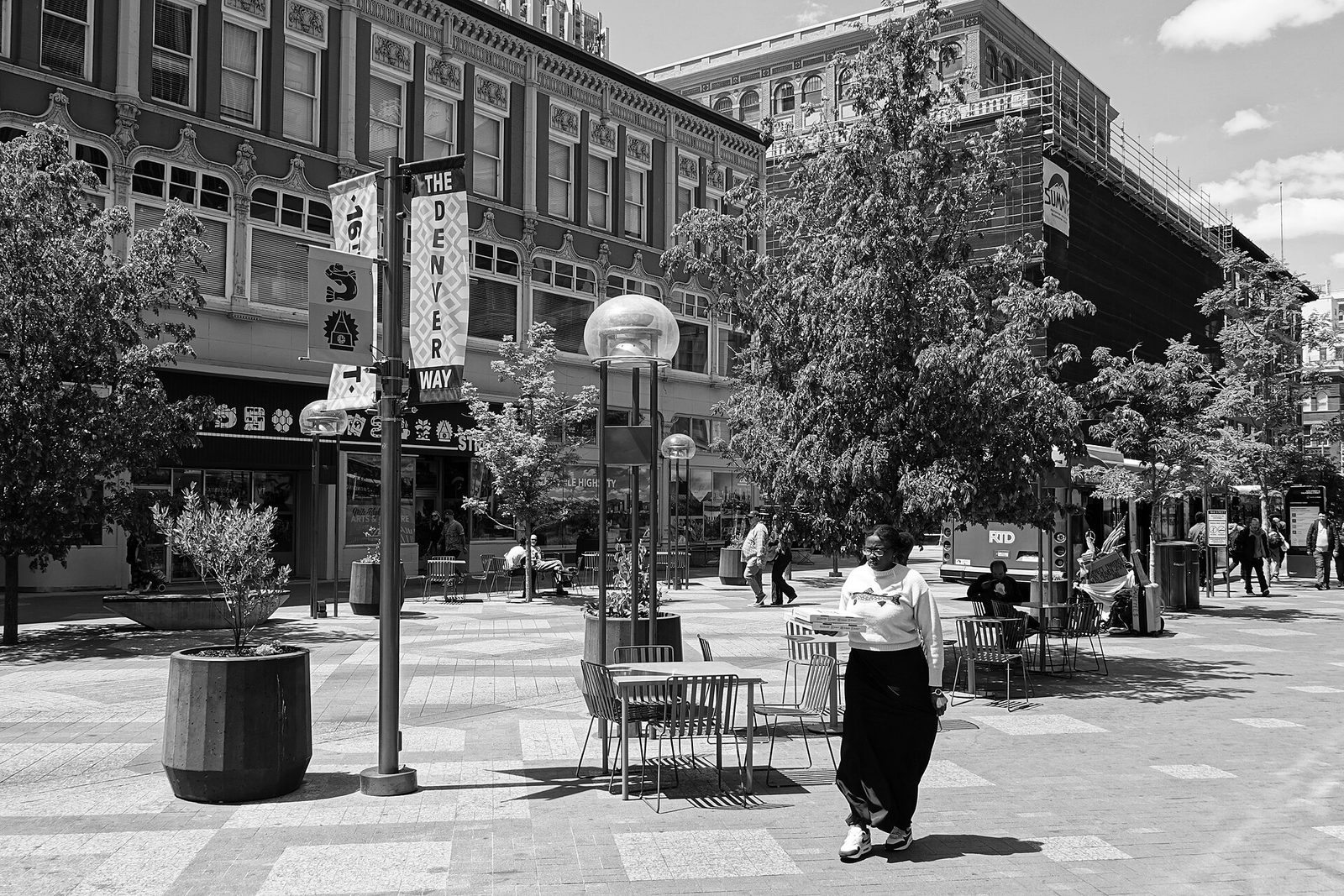
For most of 2023 to 2025, Denver’s central pedestrian street was a construction site, and plenty of older travel advice still describes it that way. That is out of date. The $175 million reconstruction finished and the full mile-and-a-quarter corridor reopened in October 2025, with wider sidewalks, new tree planting and the shuttle lane moved to the middle of each block.
The free shuttle came back with it under a new name — the 16th Street FreeRide, formerly the Free MallRide. It runs seven days a week at roughly five-minute intervals along the whole street, connecting Union Station at the northwest end with Civic Center Station near the Capitol at the southeast. It is the single most useful piece of free infrastructure for a visitor staying downtown: hop on when your legs give out, get off when you see something.
Be honest with yourself about what 16th Street is, though. It is a spine, not a destination. The chain retail is unremarkable and parts of the corridor can feel rough after dark. Use it to move between the genuinely good things at either end, and eat somewhere a block or two off it.
Denver Union Station
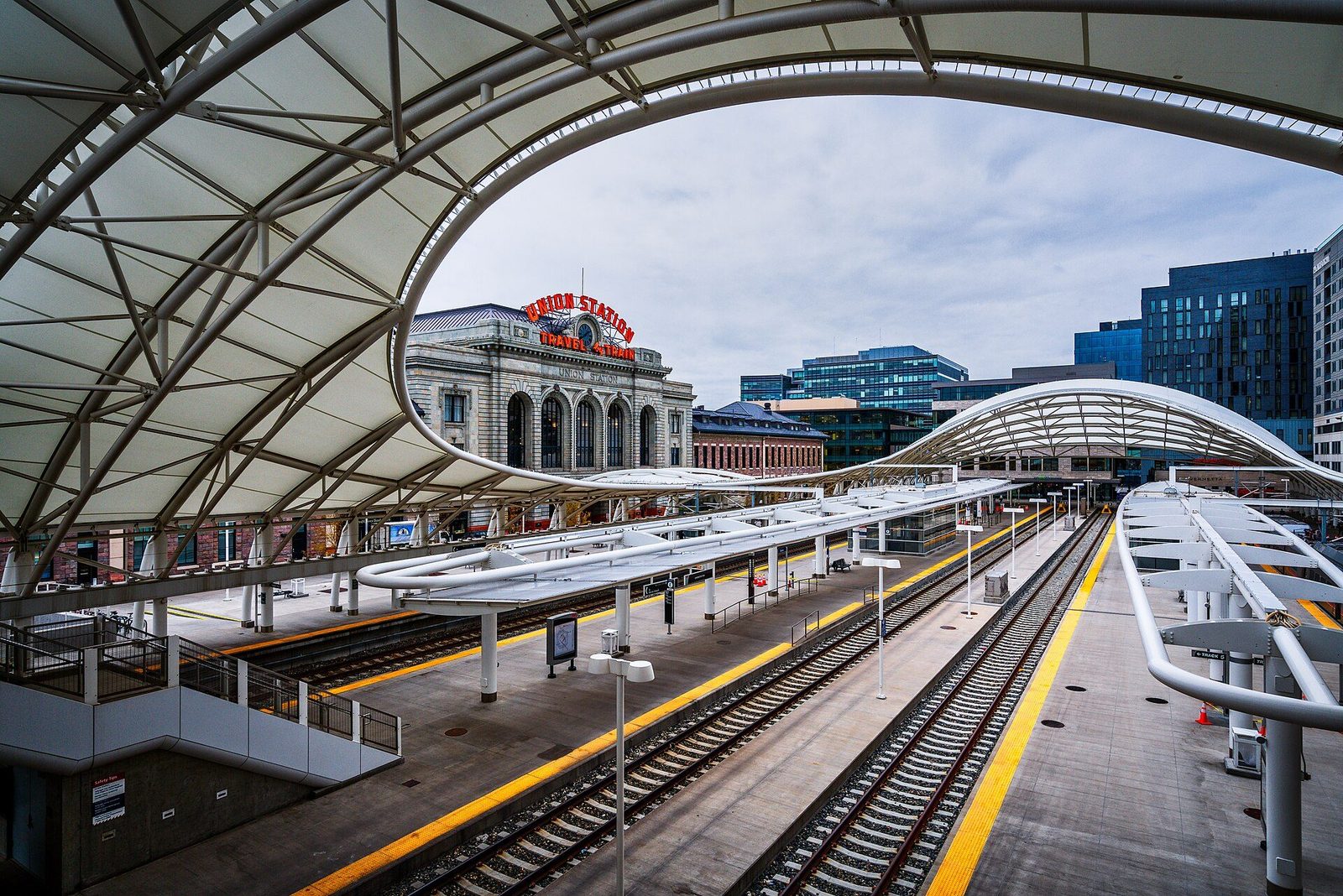
If you do one free thing downtown, make it this. The 1914 Beaux-Arts station was restored and reopened in 2014 as something unusual: a working transit hub that is also a public room people actually sit in. The Great Hall has leather sofas, long communal tables, a shuffleboard court and a bar in the middle of it, and nobody will ask whether you have a ticket. Locals treat it as a living room, which is precisely what makes it worth an unhurried hour.
Practically, the station is also the hinge of any car-free Denver trip. The University of Colorado A Line runs from here to Denver International Airport, light rail and regional buses terminate under the white canopy of the open-air train hall, Amtrak’s California Zephyr calls daily, and the Crawford Hotel occupies the upper floors if you want to sleep inside the landmark.
Do this: walk the platforms under the canopy first, then come into the Great Hall from the track side rather than the street. The reveal is better that way.
Lower Downtown and Larimer Square
LoDo is the red-brick warehouse district between Union Station and Coors Field, and it is the most rewarding 20 minutes of aimless walking in the city. Larimer Square, the block of restored Victorian storefronts on Larimer between 14th and 15th, is Denver’s oldest commercial block and is strung with overhead lights that make it the most photographed spot downtown after dark. It is touristy and the shops skew expensive; go for the architecture and a drink rather than a shopping trip.
A few blocks north, McGregor Square — the plaza development beside Coors Field — has a large outdoor screen and is a reliable place to eat before a Rockies game without paying ballpark prices.
Confluence Park and the river
Ten minutes’ walk from Union Station, the South Platte River meets Cherry Creek at the spot where gold prospectors camped in 1858 and accidentally founded the city. Today it is a small urban park with engineered whitewater where people surf standing waves on summer afternoons and float through on inner tubes. It costs nothing, it is a genuinely strange thing to find in a downtown, and it connects to the paved Cherry Creek and Platte River trails if you want to rent a bike and keep going.
The Golden Triangle: Denver’s walkable museum cluster
South of the 16th Street corridor, five of Denver’s best cultural institutions sit within a ten-minute walk of one another around Civic Center Park. This is the most efficient square half-mile in the city, and it is where to be when the weather turns.
Denver Art Museum
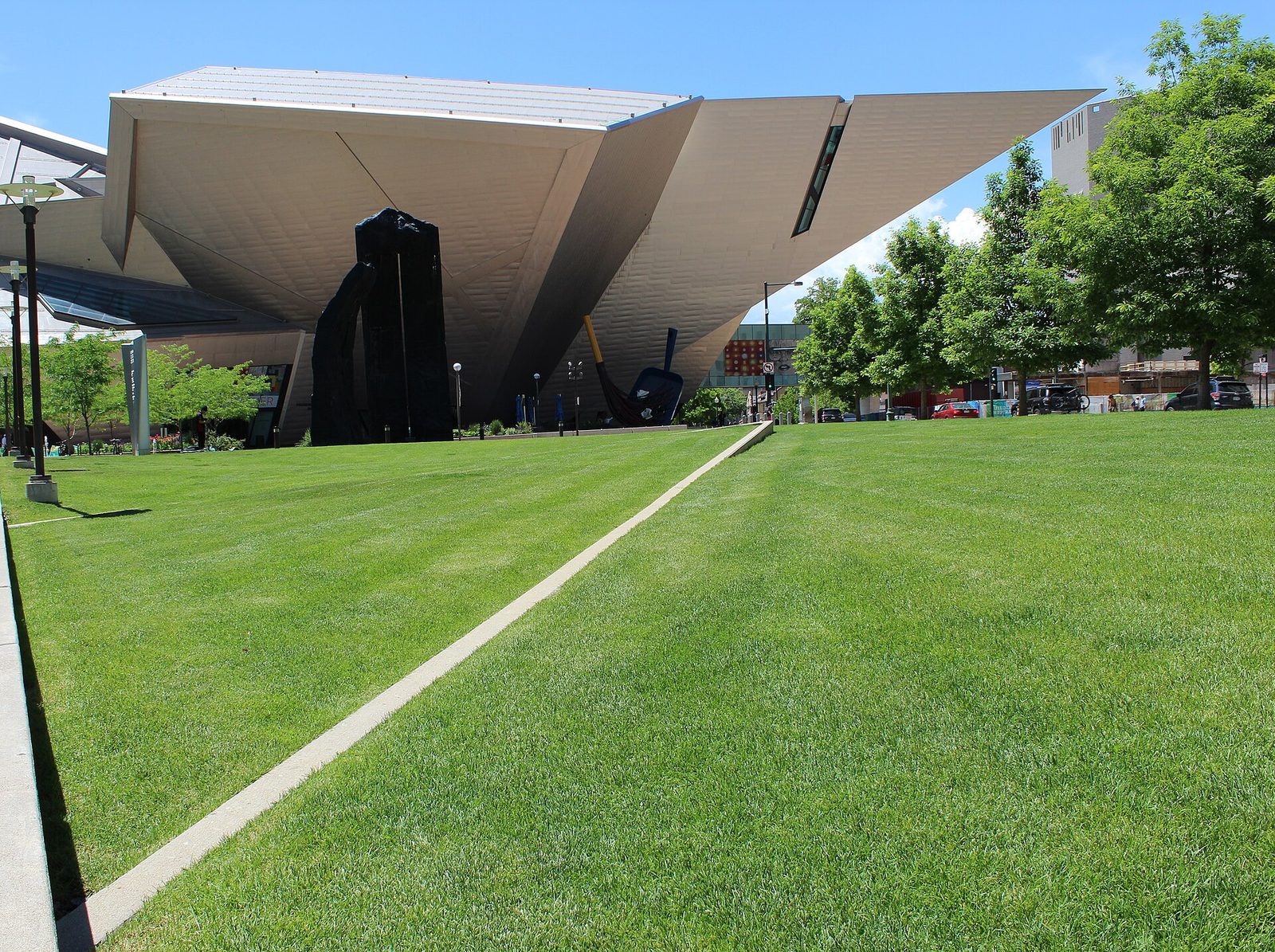
The DAM is the anchor, and it is better than most visitors expect. Its collection of Indigenous arts of North America is one of the most significant anywhere, its Western American art holdings give real context to the mythology you will meet all over Colorado, and the building itself is an attraction — Daniel Libeskind’s angular titanium-clad Hamilton Building beside the older Gio Ponti tower, the two now linked by the reimagined Martin Building.
What it costs: general admission is tiered. Colorado residents pay $22 off-peak and $25 on peak days; non-residents pay $27 and $30. Peak pricing applies Friday through Sunday and on holidays, so a Tuesday visit is the cheapest as well as the quietest. Seniors, students, teachers, active military and veterans pay less. Critically for families, everyone 18 and under gets in free, every open day — which changes the arithmetic on attraction passes, as we explain below.
When it is open: 10am–5pm Sunday, Monday and Thursday through Saturday, 10am–8pm Tuesday, and closed Wednesdays. That Wednesday closure catches out a remarkable number of visitors on a short trip, so build your itinerary around it. Ticketed special exhibitions cost extra and sell out on weekends. Allow at least two and a half hours; art-inclined visitors will want four.
Clyfford Still Museum
Next door is one of the most unusual museums in the United States: a single-artist institution holding the overwhelming majority of everything Clyfford Still ever made, which the Abstract Expressionist painter’s will sealed from public view until an American city agreed to build a museum for it. Denver did.
Adult tickets are $10 with reduced rates for students and seniors and free entry for young people, which makes it the best value per hour in the Golden Triangle. Tickets are released in 15-minute intervals and need to be reserved in advance rather than bought at the door. Give it an hour. If large abstract canvases are not your thing, skip it without guilt — this is a deep dive, not a survey museum.
History Colorado Center
Two blocks away, the state history museum does the hard things well: the Sand Creek Massacre, the Ku Klux Klan’s grip on 1920s Colorado politics, Japanese American incarceration at Amache, and the mining booms that paid for the buildings you have been admiring. It costs $20 for adults 19 and over and is free for everyone 18 and under, and it runs 10am–5pm daily. Two to three hours is right, and it is one of the better rainy-afternoon options with older children.
Colorado State Capitol
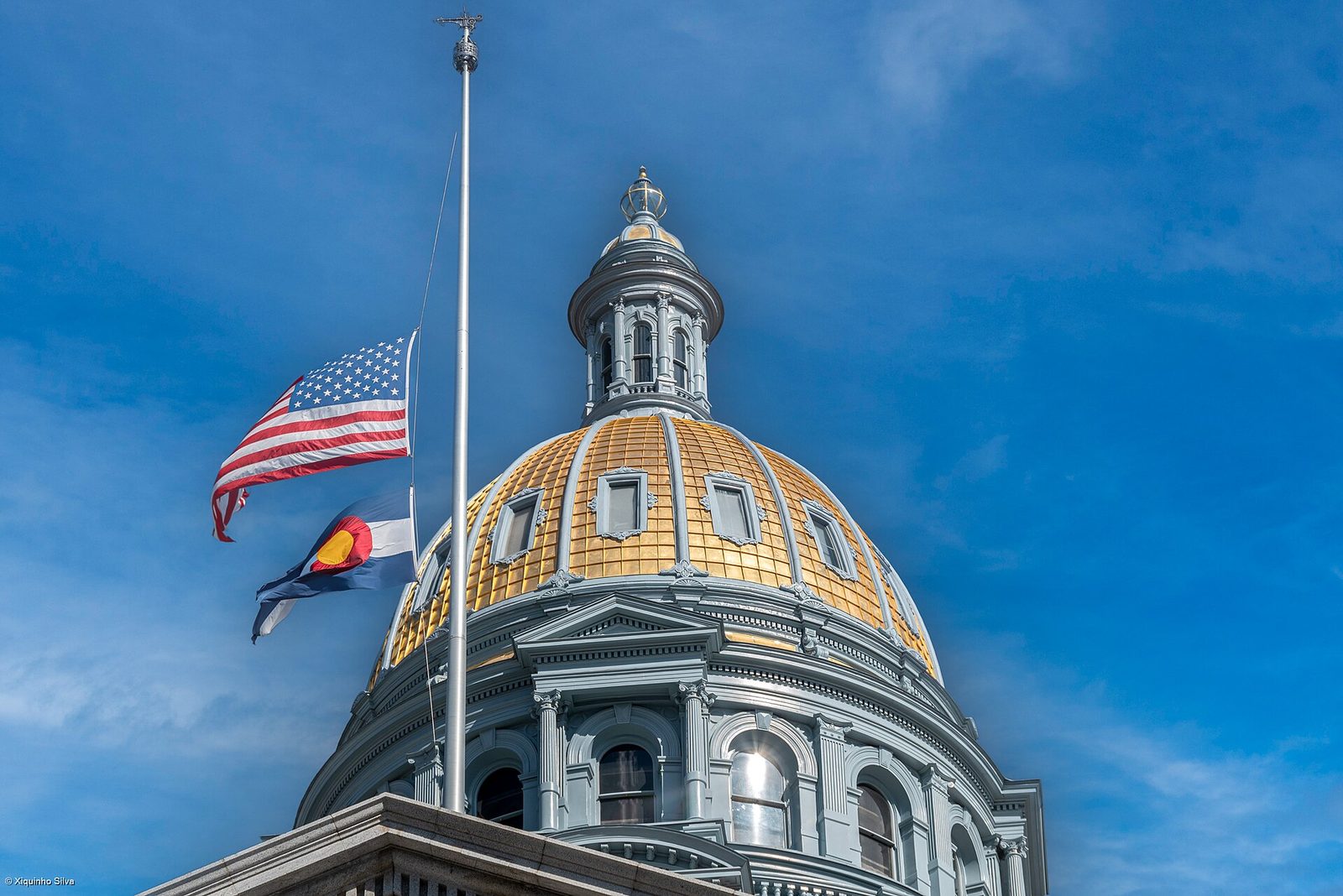
The gold-leafed dome across Civic Center Park is a free hour that most visitors skip and then regret skipping. Guided tours run Monday to Friday, on the hour between 10am and 3pm, they are free, and walk-ins are welcome — advance booking is only required for groups of ten or more, school groups and senior groups. The building itself is open weekdays 7:30am to 5pm.
Two things make it worth the time. The first is the mile-high marker: a step on the west staircase is engraved at exactly 5,280 feet above sea level, and the obligatory photograph is free. The second is the dome climb — 99 steps above the third floor, stairs only, so factor in both the altitude and your knees — which passes Mr. Brown’s Attic, an exhibition on the building’s construction and Colorado’s early history with a hands-on space for children, and ends at an observation gallery with a full sweep of the Front Range. Individual tour dates do get cancelled around holidays and legislative business, so check before you walk over.
The Denver Mint
One of only a handful of places on earth where you can watch circulating coinage being struck, and it is free — but it is the most logistically fussy attraction in Denver, so read this part carefully. Tours run Monday to Thursday only, excluding federal holidays, at six fixed times: 7:15am, 8:30am, 9:45am, 11:30am, 12:45pm and 2pm. They last about an hour and take a maximum of 50 people.
Everything is booked through the U.S. Mint’s online tour reservation system — staff cannot take bookings by phone or email. Slots open up to 30 days ahead and are released at 1am Denver time, with a limit of five free tickets per request. All visitors must be seven or older, and security is airport-grade, with no bags permitted inside and no storage available, so check the current prohibited-items list before you go and plan to arrive carrying almost nothing. If you are travelling with a toddler or you like spontaneity, this is not your attraction. If you can plan a month out, it is a genuinely memorable free hour.
Molly Brown House Museum
A short walk east in Capitol Hill, the 1889 stone house belonged to Margaret Brown — the Titanic survivor, suffragist and labour activist whom posterity rebranded “the Unsinkable Molly Brown” and mostly got wrong. The museum is unusually good at separating the woman from the musical.
You choose your format: self-guided with an audio app from $17 for adults, or a docent-led tour from $22, with reduced rates for seniors over 70, military and college students, lower prices for ages 6–18, and a $2 discount for Colorado residents. It is open Wednesday to Sunday 10am–5pm, with Thursdays running to 7pm, and last entry is an hour before closing. Either version takes about 45 minutes in the house. Book ahead — it sells out more often than its size suggests.
City Park and the York Street corridor
Three miles east of downtown, Denver’s biggest park holds two of its busiest attractions, with a third a short drive south. This cluster is the natural second day. It is also where the mountain view everyone photographs — the Front Range framed behind the downtown skyline, seen across Ferril Lake — actually lives.
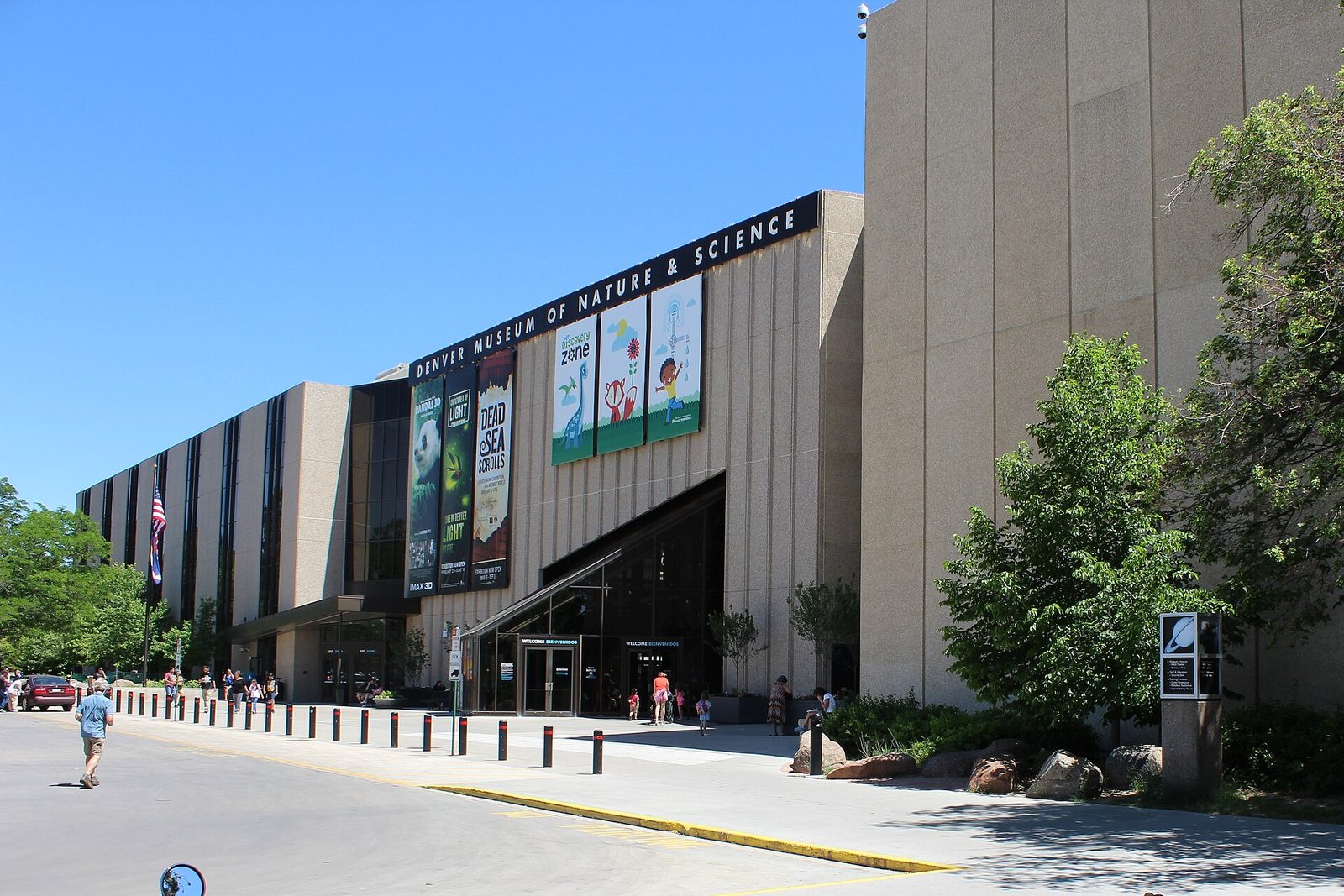
Denver Museum of Nature & Science
Big, generous and consistently the most family-proof ticket in the city. The dioramas are museum craft of a kind nobody builds any more, the Egyptian mummies and the dinosaur halls carry the younger visitors, and the third-floor windows deliver that skyline-and-mountains view for free with your admission.
General admission is $27.95 for adults, $23.95 for seniors 65 and over and $20.95 for youth aged 3 to 18, with under-3s free. It opens 9am–5pm daily and stays open to 9pm on most Fridays, which is a good option if you want the place quieter. Note what admission does not include: the Gates Planetarium, the Sturm Theater and the laser shows are add-ons, currently from about $7 to $14 on top of an adult ticket, and each needs its own timed slot. Buy general admission online in advance; the queue at the door on a snow day has to be seen to be believed.
Budget three to four hours. With children under six, three is plenty.
Denver Zoo Conservation Alliance
Across the park, the zoo — renamed the Denver Zoo Conservation Alliance — is 80 acres and genuinely a half-day. Admission is $27 for adults 16 to 64, $24 for seniors 65 and over and $19 for youth 3 to 15, with under-2s free, and parking is free in the adjacent lots and garage.
The rule that trips people up: online timed ticket reservations are required for entry. Tickets go on sale ten days ahead and are non-refundable, so you cannot simply turn up on a whim, and a rained-out slot is money gone. Book once you are confident of the day’s weather, and go early — animals are more active before midday, and so are children.
Denver Botanic Gardens
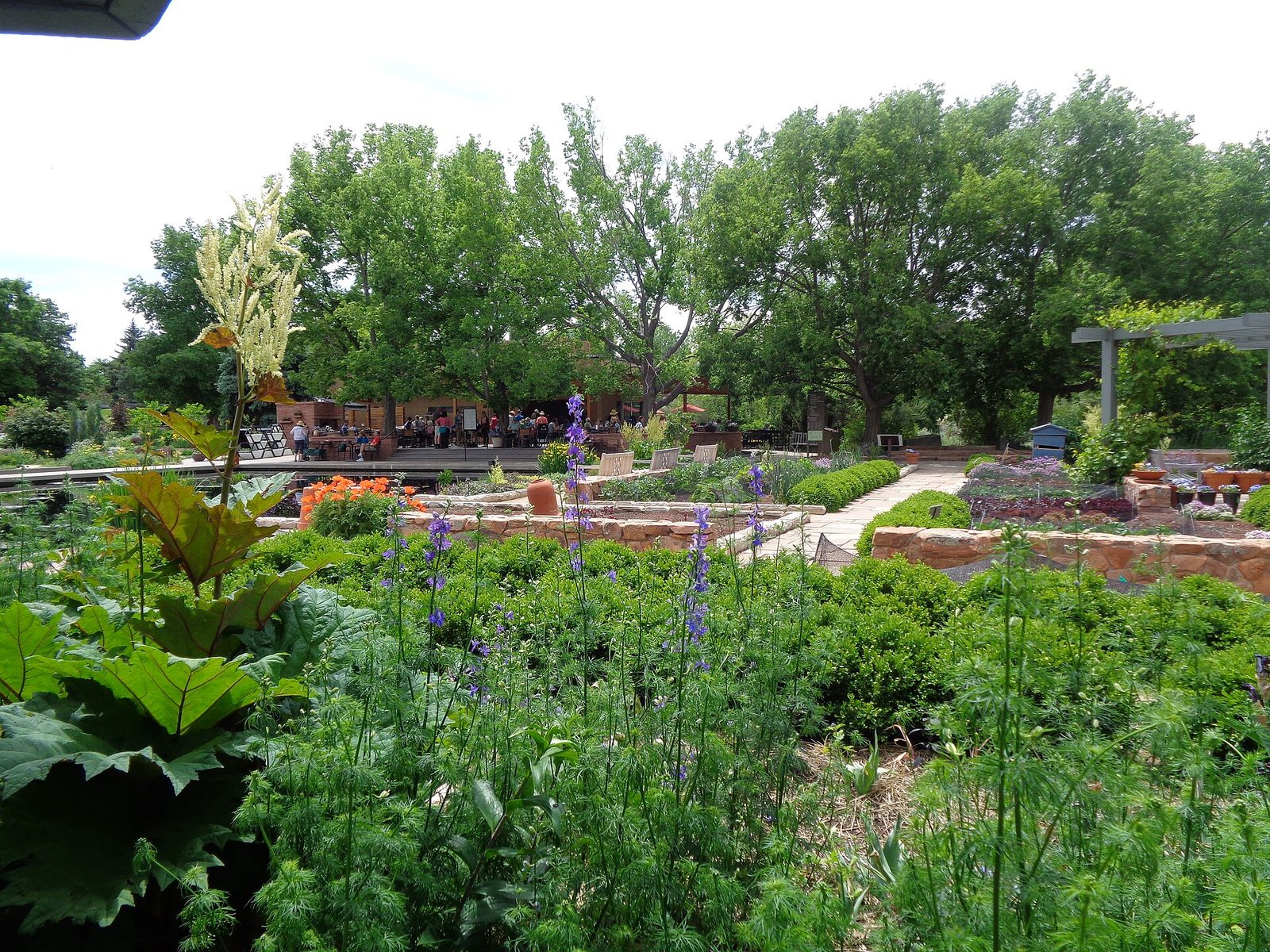
The quietest good idea in Denver, and at $16.25 for adults, $12.50 for seniors and military and $12 for children 3 to 15 and students, one of the cheapest. The 24-acre York Street site is built around a serious commitment to steppe and high-plains planting — Colorado’s climate rather than an imported English one — with a tropical conservatory under the concrete-and-glass Boettcher dome for the cold months.
Hours shift by day: 9am–4pm Sundays, noon–7pm Mondays, and 9am–7pm Tuesday through Saturday, with seasonal variation and occasional early closures for events. Parking in the complex is free but limited, and on a July weekend it fills; the surrounding Cheesman Park streets take the overflow where posted.
Two clarifications worth having before you book. Denver Botanic Gardens operates a second site, Chatfield Farms, about 45 minutes southwest — a working farm and native-plant preserve, and not the place you meant if you are looking for the famous conservatory. And the Gardens’ concert series and winter light show sell separate tickets that are not covered by general admission.
Immersive, offbeat and very Denver
Meow Wolf Convergence Station
Four floors of narrative installation art wedged into a lot beneath the I-25 and Colfax interchange, in which four alien worlds have collided and you are free to wander through the wreckage opening drawers. It is the attraction visitors under 35 ask about most, and the one hardest to describe without spoiling.
Tickets are timed and start from about $37 for adults and $30 for children, with a more expensive flexible “anytime” tier from around $51 if you would rather not commit to a slot. Days and times vary week to week, so check the booking calendar rather than assuming. Most people spend two to three hours inside. Parking on site is $15 and is unavailable during Broncos home games at the neighbouring stadium, which is a good reason to arrive by light rail or bus.
On accessibility: Convergence Station is an IBCCES-certified autism centre and offers sensory kits and quiet zones, which is unusually thoughtful for a venue this loud and this bright. Large bags, strollers and luggage are not allowed, so travel light and arrive a few minutes before your entry time.
RiNo Art District
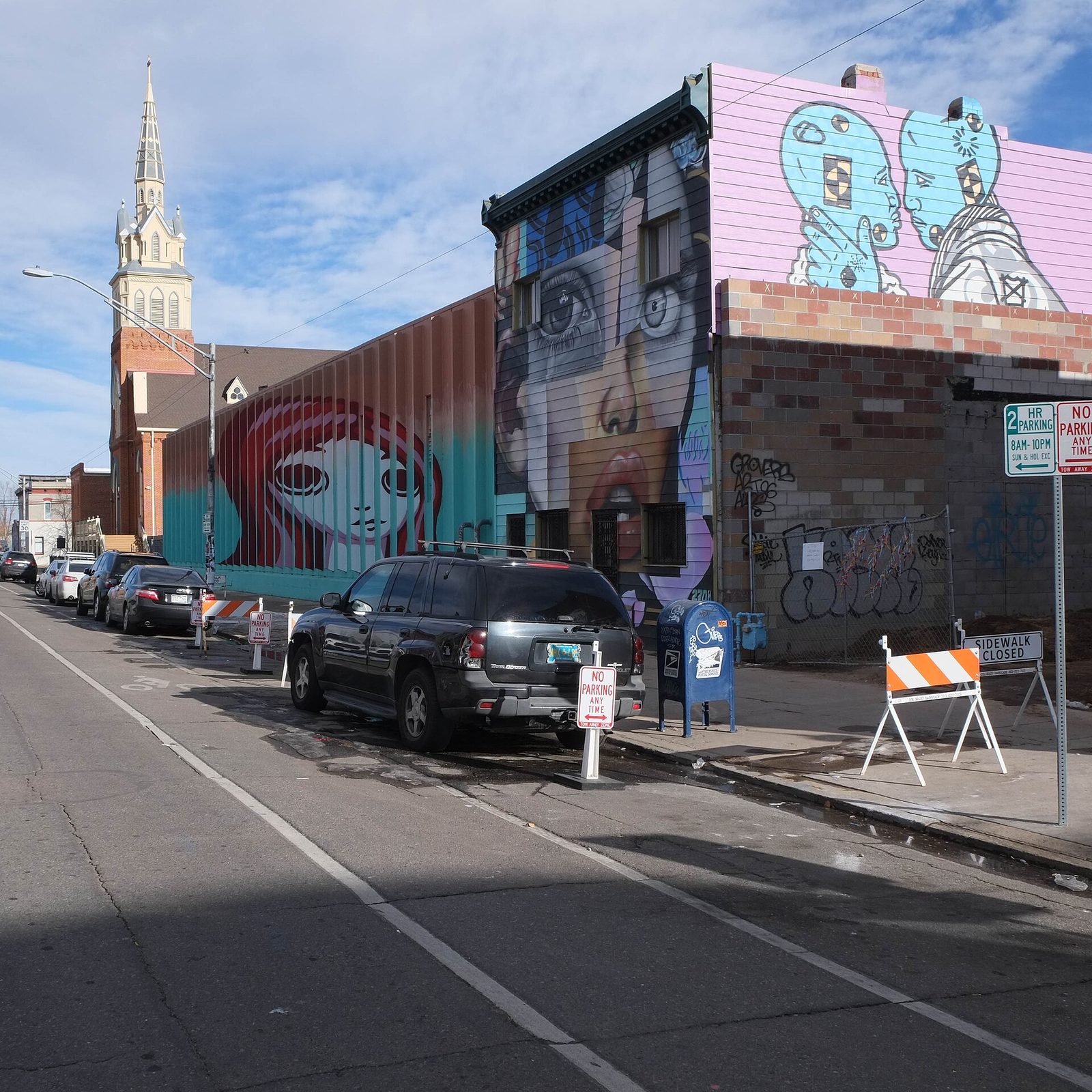
River North — RiNo — is a former industrial quarter northeast of downtown that now has the densest concentration of large-scale murals in the city, refreshed annually during the district’s mural festival. Walking Larimer and Walnut streets between roughly 25th and 35th costs nothing and takes an hour, and the murals change often enough that repeat visitors still find new work.
The neighbourhood is also where much of Denver’s brewery and cocktail scene relocated, so a mural walk folds neatly into an early evening. Two honest caveats: it is a real industrial district with uneven sidewalks and active freight rail, and it has gentrified fast enough that the street art and the property prices are now in an awkward relationship. Both facts are part of what you are looking at.
Casa Bonita
The pink cathedral of Mexican-themed dinner theatre in Lakewood — cliff divers, a 30-foot indoor waterfall, a gorilla, sopaipillas with a flag on the table — was bought and rebuilt by the creators of South Park and reopened as something between a restaurant and a piece of performance art.
You cannot walk in. Reservations are released in blocks on the official site, they go quickly, and a card on file covers a $10-per-person no-show fee. When booking you pick a seating tier — a premium seat near the waterfall runs about $44.99 per person, standard seating is cheaper — and you pay for food at the end, with adult entrées roughly $29.99 to $39.99, children’s from about $19.99, plus an automatic service charge. Go for the spectacle and the nostalgia; if you are judging it purely as dinner, you will be disappointed, and that is not what anyone is buying.
Red Rocks: the best free thing near Denver
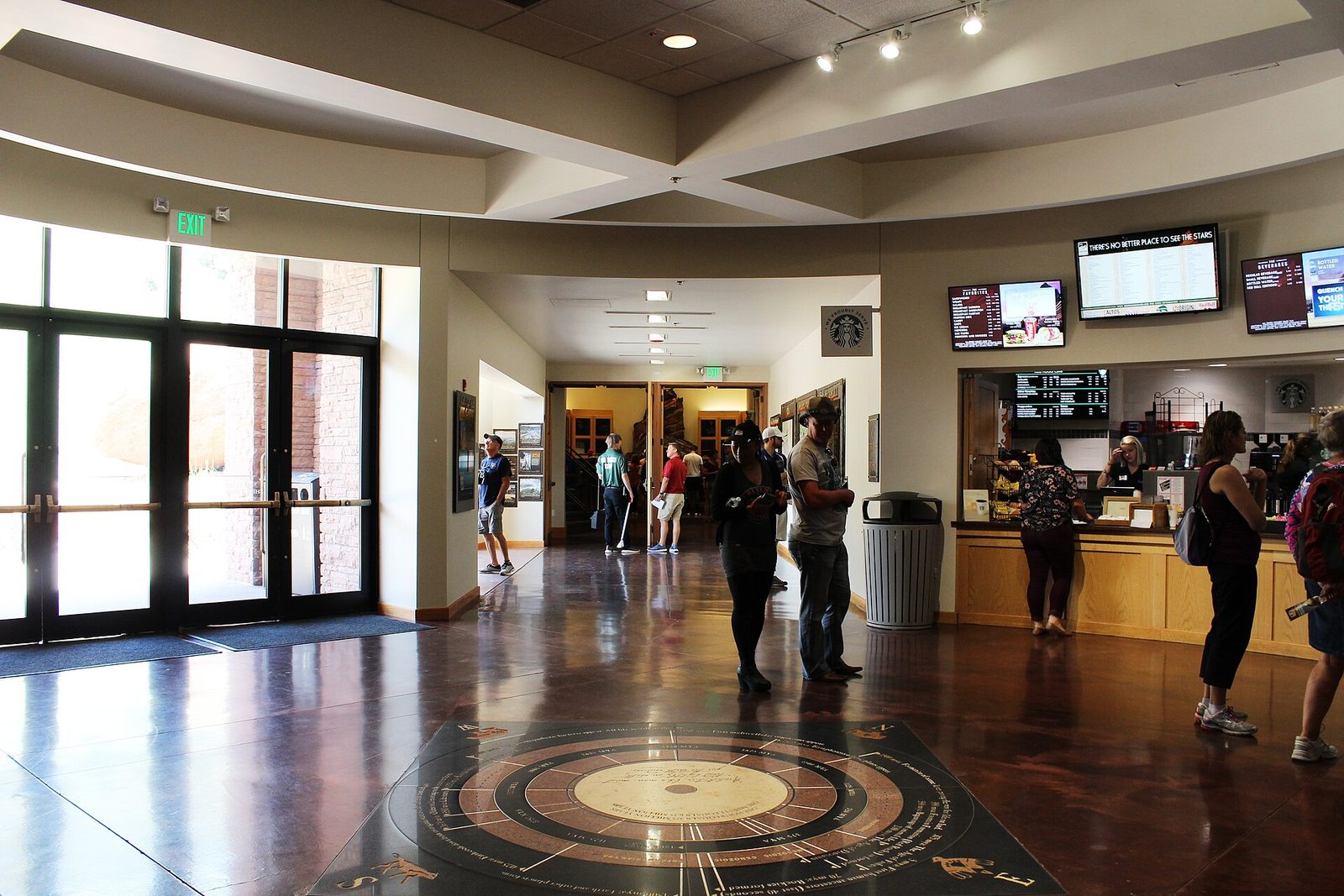
Fifteen miles west of downtown, just off I-70 at exit 259 near Morrison, two 300-foot sandstone monoliths lean toward each other with 9,500 seats between them. Red Rocks is a city-owned park as well as the most famous outdoor concert venue in the United States, and the part most visitors do not realise is this: on non-event days, admission and parking are free.
The park and its trails open an hour before sunrise and close an hour after sunset. You can walk into the amphitheatre itself, climb the seating rows alongside the locals using them as a stair workout, and look east across the whole plain to downtown. The Visitor Center — open 7am–7pm March to October and 8am–4pm November to February — has the Performers Hall of Fame and a decent café. The Trading Post Trail, a 1.4-mile loop from the lower lot, threads through the formations in well under an hour and is the single best short hike close to the city.
Two practical warnings. On show days, access is restricted to ticket holders from mid-afternoon, so a casual visit needs to happen in the morning or on a dark night in the calendar. And at 6,400 feet with almost no shade, the climb up the seating is harder than it looks — take water, and do not schedule it for your first hour off the plane.
If you are going to a concert, arrive far earlier than seems sensible, expect a long walk from whichever lot you land in, and bring a layer: the temperature falls fast after dark even in July.
Sports and live entertainment
Denver is a serious sports city with an unusual advantage for visitors: four of its major venues are downtown or a short light-rail ride from it, so a game slots into an evening without a car.
- Coors Field (Colorado Rockies, April–September) is the easiest ticket in town and a lovely ballpark, with a row of purple seats in the upper deck marking exactly one mile above sea level. Behind-the-scenes tours run Monday to Saturday at times that shift around the schedule, take 70 to 80 minutes and cover about a mile on foot, starting at Gate D on 20th and Blake.
- Ball Arena hosts the Nuggets (NBA) and the Avalanche (NHL) from autumn into spring, ten minutes’ walk or one light-rail stop from Union Station.
- Empower Field at Mile High takes the Broncos on autumn Sundays. Tickets are the hardest to get and the atmosphere the loudest.
- Denver Summit FC began its inaugural NWSL season in 2026, and the club sold out its full allocation of season tickets before a ball was kicked. Home matches move between Empower Field, Dick’s Sporting Goods Park in Commerce City and a new purpose-built stadium in Centennial, so check which venue your date is at before you book a hotel around it.
- Denver Center for the Performing Arts, a four-block complex downtown, is one of the largest theatre campuses in the country and runs Broadway touring productions alongside its own company work.
For live music, the range runs from Red Rocks down through the Mission Ballroom in RiNo, the Ogden and Bluebird on East Colfax, and the Fillmore. Denver punches above its size here; check what is on before you assume your evening is free.
One date worth knowing if you are here in October 2026: the Great American Beer Festival runs 10–11 October, and for the first time it moves outdoors to Levitt Pavilion rather than filling the Colorado Convention Center. Hotel rates that weekend behave accordingly.
Denver with kids
Denver is an easy city with children, mostly because the good options are concentrated and several of them are free for young people.
- Children’s Museum of Denver at Marsico Campus — built for newborn to age eight, with a dedicated infant space. Admission is $19.75 for ages 2 to 59, $17.75 for one-year-olds and visitors 60 and over, and free under one. Open 9am–4pm daily, parking free. Under-eights will give you three hours; nine-year-olds will be bored in one.
- Downtown Aquarium — $29.99 adults, $23.99 children 3 to 11, open 10am to 8pm most days and 9pm on Friday and Saturday. It is a restaurant with an aquarium attached as much as the reverse, which is worth knowing before you arrive hungry with a four-year-old.
- Denver Museum of Nature & Science and the zoo both carry a full morning at almost any age, as above.
- Elitch Gardens, the theme and water park beside downtown, operates seasonally from spring into autumn with a calendar that varies by year — check current operating dates and ride availability directly before committing a day to it.
- Free and outdoors: Confluence Park, City Park’s playground and paddle boats, and the Capitol’s dome climb for children old enough for 99 stairs.
Remember the two big free-for-youth policies: under-18s enter the Denver Art Museum and History Colorado Center at no charge. A family of four can have a full cultural day downtown for the price of two adult tickets.
Free things actually worth your time
Not filler — these would earn a place on the list even if they charged.
- Red Rocks Park by day, including the amphitheatre and the Trading Post Trail loop.
- Colorado State Capitol tour and dome climb, weekdays.
- Denver Mint tour, if you can book a month ahead.
- Union Station’s Great Hall, where sitting down is the entire activity.
- RiNo murals, best in the flat light of early morning or late afternoon.
- Confluence Park and the river trails.
- The Blue Bear — the 40-foot blue sculpture peering into the Colorado Convention Center, officially I See What You Mean, and the most reliably fun photograph downtown.
- SCFD free days. Denver’s cultural district tax funds scheduled free-admission days at the major museums and the Botanic Gardens across the year. Dates are published by each institution and are busy; if your trip lands on one, plan around the crowds rather than avoiding the day.
When the weather turns
Denver gets over 300 days of sunshine a year, which means the bad days arrive without much warning: a March blizzard, an August afternoon thunderstorm that empties the streets for an hour, a smoke-hazed sky in a bad wildfire summer. A useful trip has a backup list.
The reliable indoor half-days are the Denver Art Museum, the Denver Museum of Nature & Science, History Colorado Center, Meow Wolf, the Downtown Aquarium and the Botanic Gardens’ conservatory. All except the Gardens are fully enclosed, and all except Meow Wolf will take walk-ups at some point in the day. Union Station makes a good waiting room between two of them.
For air quality during smoke season, check the official AirNow readings for the day rather than judging by the view — the haze that looks atmospheric from a rooftop bar can be a genuinely poor day for a long hike.
Doing Denver without a car
More of this city works car-free than people expect, and the arithmetic is straightforward.
RTD, the regional transit agency, charges $2.75 for a three-hour local pass and $5.50 for a day pass. The airport is a separate band: an Airport Day Pass is $10, which covers the A Line from Denver International into Union Station in about 37 minutes plus the rest of the day’s local travel — comfortably cheaper than a rideshare and usually faster in traffic. Discounted fares of $1.35 and $2.70 apply for seniors 65 and over, riders with disabilities, Medicare recipients and people enrolled in RTD’s low-income programme, and youth 19 and under and active-duty military ride free on all services.
Add the free 16th Street FreeRide along the downtown spine and you can reach Union Station, LoDo, the Golden Triangle museums, the Capitol, Meow Wolf, Ball Arena, Coors Field and the Convention Center without ever renting a car.
Where transit stops being enough: City Park’s museums are a bus ride rather than a walk, and everything in the foothills — Red Rocks, Golden, Lookout Mountain, the ski areas — is realistically a car, a tour or a seasonal shuttle. A common and sensible compromise is to stay downtown car-free and rent a vehicle for one mountain day rather than paying downtown hotel parking every night.
Is the Denver CityPASS worth it? Do the arithmetic first
Denver CityPASS currently costs $54 for adults and $44 for children aged 3 to 11, and lets you choose three attractions from eight: the Downtown Aquarium, Denver Zoo Conservation Alliance, Denver Museum of Nature & Science, Denver Botanic Gardens, Children’s Museum of Denver, Wings Over the Rockies, Denver Art Museum and History Colorado Center. It is valid for seven days from the first attraction you visit.
Whether it saves you money depends entirely on which three you pick, and the marketing figure assumes you pick the expensive ones. Run your own numbers before buying:
| Your three choices (adult) | Paid separately | With the $54 pass |
|---|---|---|
| Aquarium + Nature & Science + Zoo | ~$84.94 | Saves about $31 |
| Nature & Science + Zoo + Art Museum (non-resident, peak) | ~$84.95 | Saves about $31 |
| Botanic Gardens + History Colorado + Children’s Museum | ~$56.00 | Saves about $2 |
So: the pass is good value if your three include the aquarium, the zoo or the nature and science museum, and close to pointless if you were only ever going to the cheaper institutions.
Three further traps. First, children’s passes: under-18s already enter the Denver Art Museum and History Colorado Center free, so choosing either on a child’s pass burns a slot on something that costs nothing. Second, the pass is not a queue-jump or a reservation — the zoo still requires its own timed booking, and you still need to work around the Art Museum’s Wednesday closure. Third, seven days sounds generous but the clock starts at your first scan, which matters if your Denver days are split around a mountain trip.
Prices and the list of participating attractions change. Check both against the current CityPASS page and each attraction’s own ticket page before you buy.
Three itineraries that actually work
One day in Denver
Start at Union Station by 9am — platforms first, then the Great Hall, then coffee. Walk down through LoDo and Larimer Square, cut to Confluence Park if the morning is fine, and take the FreeRide down 16th Street to the Golden Triangle. Spend the early afternoon at the Denver Art Museum (remember: not Wednesdays), then walk across Civic Center Park to the Capitol for the 3pm tour and the dome. If you have a car, drive out to Red Rocks for sunset. If you do not, take the light rail up to RiNo, walk the murals in the low light and eat there.
A weekend
Day one as above, minus the rush. Day two, head to City Park in the morning for the Denver Museum of Nature & Science, then either the zoo or the Botanic Gardens after lunch depending on who you are travelling with — zoo with children, Gardens without. Keep the evening for a Rockies game in summer, a show at the Denver Center for the Performing Arts, or a timed Meow Wolf slot, which works better at night than in the middle of a sunny day.
Three or four days
Add a proper foothills half-day: Red Rocks in the morning, then Golden’s old main street and Lookout Mountain, back by mid-afternoon. Use the spare half-day for whichever of Meow Wolf, the Mint, the Molly Brown House or the Clyfford Still Museum fits your interests, and keep one afternoon deliberately unscheduled for a neighbourhood — RiNo, Cherry Creek, the Baker district along South Broadway, or the Highlands across the river. Denver is a city where the unplanned afternoon is often the one people remember.
What we would not do on a first trip of four days or fewer: drive to Rocky Mountain National Park. It is a superb park and a long day — two and a half hours of driving each way in good conditions, plus a timed entry permit in season — and it deserves its own trip rather than a rushed one squeezed between museums.
Altitude, sun and the things that catch visitors out
At 5,280 feet, Denver is high enough to change how your first day feels without being high enough to feel dramatic. The official visitor advice is unglamorous and correct: drink roughly twice the water you normally would, because the air is dry as well as thin; go easy on alcohol until you have acclimatised, since your body processes it less efficiently up here; and wear sunscreen, sunglasses and lip balm year-round, because there is about 25% less atmosphere between you and the sun than at sea level. Snow in February burns you just as efficiently as sun in July.
Scale back exertion on day one — a runner who does ten miles at sea level should think in terms of six here — and remember that the mountain destinations everyone photographs are considerably higher than the city. Layers matter more than a coat: Denver’s daily temperature swing between midday sun and evening shade is large, particularly in spring and autumn.
Persistent headache, nausea or breathlessness that does not settle is worth taking seriously rather than walking off, especially if you are heading higher. This is general travel information, not medical advice.
When to come
Short version: September and early October are the sweet spot — warm days, cool evenings, thin crowds and the mountain aspens turning within an easy drive. Late spring, from May into June, is nearly as good with a higher chance of an unseasonal snow day. Summer is busy, hot in the afternoons and prone to short, sharp thunderstorms that clear by evening. Winter is genuinely fine for a city trip, with cold snaps interrupted by startlingly mild sunny days, and it is the only season in which the ski areas are the point.
The one thing to plan around is not weather but the calendar: a Broncos Sunday, a big convention or a festival weekend will move hotel prices more than any season does.
Frequently asked questions
How many days do you need in Denver?
Two full days covers the city’s headline attractions comfortably. Three lets you add Red Rocks and a neighbourhood without rushing. If the mountains are the real reason you are coming, treat Denver as two days at the start or end of a longer Colorado trip rather than as a base you commute from.
Do you need a car in Denver?
Not for the city. The A Line gets you in from the airport for a $10 airport day pass, and downtown, the Golden Triangle, RiNo and the stadium district are all walkable or a short ride apart. You will want a car — or a tour — for Red Rocks, Golden and anything in the mountains.
What is Denver actually known for?
Its position: a high-plains city at the exact point where the Great Plains hit the Rocky Mountains. Everything else follows from that — the light, the sport, the outdoor culture, the brewing industry that made it a beer capital, and a downtown built on mining money that is now in its third act.
What can you do in Denver for free?
Red Rocks Park by day, the Capitol tour and dome climb, the Denver Mint tour if you book ahead, Union Station’s Great Hall, the RiNo murals, Confluence Park, City Park, the 16th Street FreeRide and the Blue Bear. Several museums also run scheduled free days funded by the regional cultural tax.
Is Red Rocks worth visiting if there is no concert on?
Yes, and arguably it is better. Admission and parking are free on non-event days, you can walk into the amphitheatre itself, and the Trading Post Trail gives you an hour of genuine red-rock scenery 25 minutes from downtown. On show days, access closes to non-ticket-holders from mid-afternoon.
Which Denver attractions need booking in advance?
The zoo requires a timed online reservation. Meow Wolf and the Clyfford Still Museum sell timed slots. The Denver Mint must be booked through the U.S. Mint’s reservation system up to 30 days ahead. Casa Bonita is reservation-only and releases dates in blocks. The Art Museum, the nature and science museum and the Botanic Gardens take walk-ups but are much smoother booked online, particularly at weekends.
Is downtown Denver walkable?
Very. Union Station to the Capitol is about a mile and a quarter along 16th Street, with a free shuttle if you would rather not walk it, and the Golden Triangle museums are clustered within a few blocks of each other. Use normal city judgement after dark, particularly along parts of the 16th Street corridor and East Colfax.
Sources and verification
Admission prices, opening hours, tour schedules and reservation rules on this page were checked against operator and public-authority sources on 17 September 2026. Ticket prices and hours change without much notice, seasonal schedules vary, and individual tour dates get cancelled — treat the figures here as a planning baseline and confirm anything your day depends on with the operator.
- Denver Art Museum — Plan Your Visit
- Denver Museum of Nature & Science — Pricing and Discounts
- Denver Zoo Conservation Alliance — Hours and Admission
- Denver Botanic Gardens — York Street
- Meow Wolf — Visit Convergence Station
- Red Rocks Park and Amphitheatre — Visit
- Colorado General Assembly — Capitol Tours
- U.S. Mint — Tour the Denver Mint
- History Colorado — Visitor FAQs
- Clyfford Still Museum — Hours and Tickets
- Molly Brown House Museum — Plan Your Visit
- Children’s Museum of Denver — Visit
- Downtown Aquarium Denver — Visitor Information
- RTD — Fares
- RTD — 16th Street FreeRide full service
- Denver CityPASS
- Casa Bonita — FAQ
- Great American Beer Festival
- VISIT DENVER — High Altitude Tips
Denver Tourism Guide is an independent publication. We are not affiliated with VISIT DENVER, the City and County of Denver or any attraction listed here.