You can spend a full day in Denver — a working state capitol with a gold dome, a hangar full of military aircraft, a mile-high marker, a mountain park with sandstone monoliths 300 feet high, and a railway station you can sit in all afternoon without buying anything — and pay nothing except a $5.50 transit pass. That is the honest starting point for Denver on a budget, and it is not a trick or a hack. This city has an unusual amount of genuinely free, genuinely good things in it, largely because a regional cultural tax funds the institutions and because the best scenery is public land.
What follows is not a list of tips. It is a costed account of what a Denver trip actually takes, where the money goes, which paid attractions earn their price and which do not, and the specific arithmetic of the city pass that most visitors get wrong. Prices were checked in September 2026 and change — confirm before you pay.
What Denver Actually Costs Per Day
| Shoestring | Careful | Comfortable | |
|---|---|---|---|
| Transport | $5.50 RTD day pass | $5.50 day pass | $5.50 plus one rideshare |
| Attractions | $0 — free list only | $20–$28 — one paid museum | $45–$55 — two paid, or one plus add-ons |
| Food | Groceries and one cheap meal | One sit-down meal, one casual | Two proper meals |
| Drink | Tap water; it is good here | A flight at a taproom | An evening out |
| Bed | Hostel or outer-suburb rail-served hotel | Mid-range, off-peak month | Central, any month |
The single biggest variable is the bed, and the second biggest is the month. A room in March costs a fraction of the same room in July. Nothing else on this page moves the total as much.
Everything in Denver That Is Free
This list is longer than most cities can manage, and it is the backbone of a cheap trip here.
Free Tours and Buildings
- Colorado State Capitol — free guided tours Monday to Friday on the hour, 10am to 3pm, walk-ins welcome. Building open weekdays 7:30am to 5pm. The dome is 99 steps above the third floor, stairs only. The mile-high marker is on the west steps.
- The Denver Mint — free, Monday to Thursday only, six slots a day, about an hour, maximum 50 people. Booked exclusively through the U.S. Mint’s online reservation system up to 30 days ahead, released at 1am Denver time, maximum five tickets per request. Age 7 and up. No bags, no storage, airport-grade security.
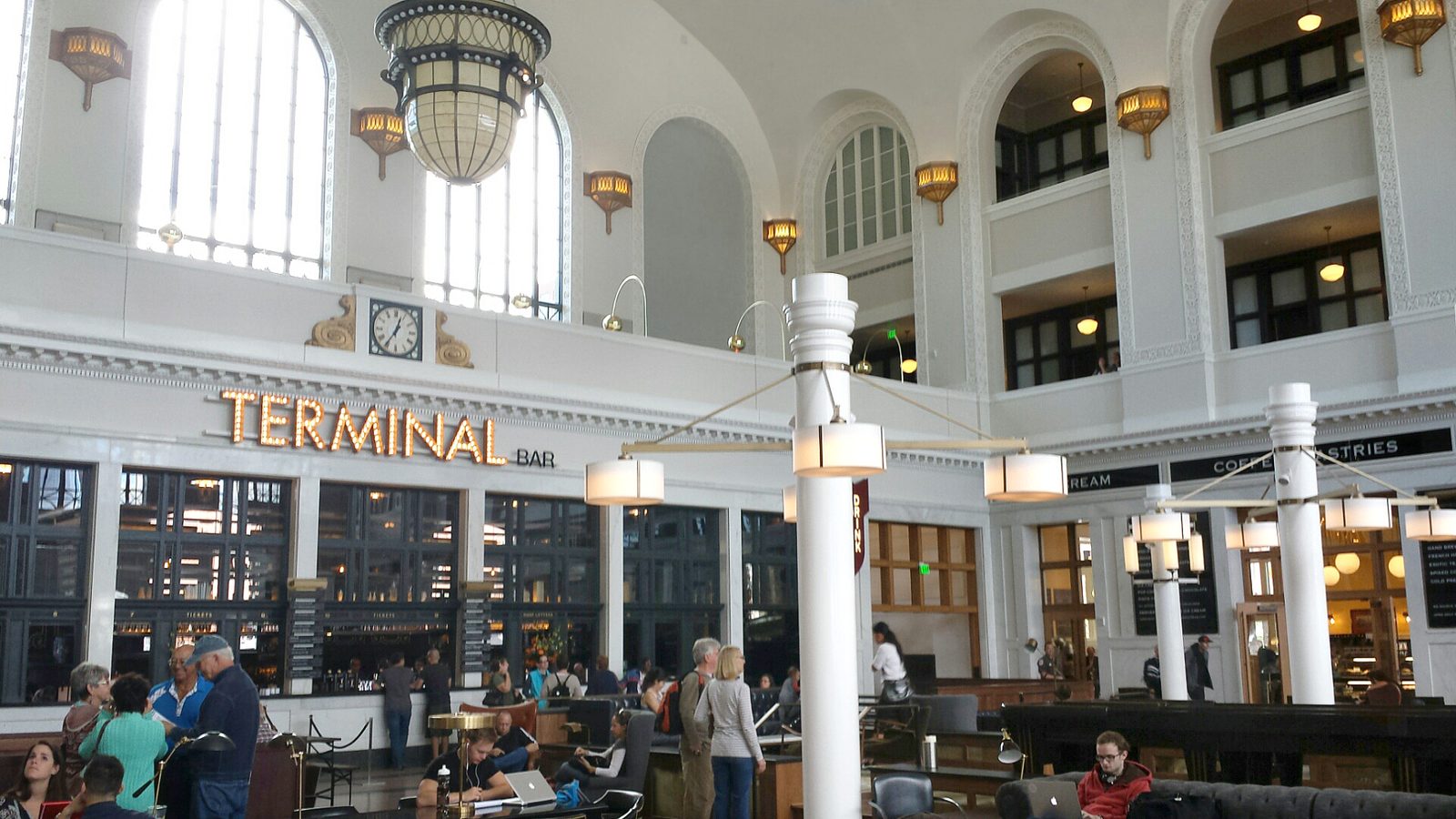
- Union Station Great Hall — free, open to the public, with armchairs and seating you do not need a ticket to use. On a cold afternoon it is one of the best rooms in the city to sit in for an hour.
Free Museums
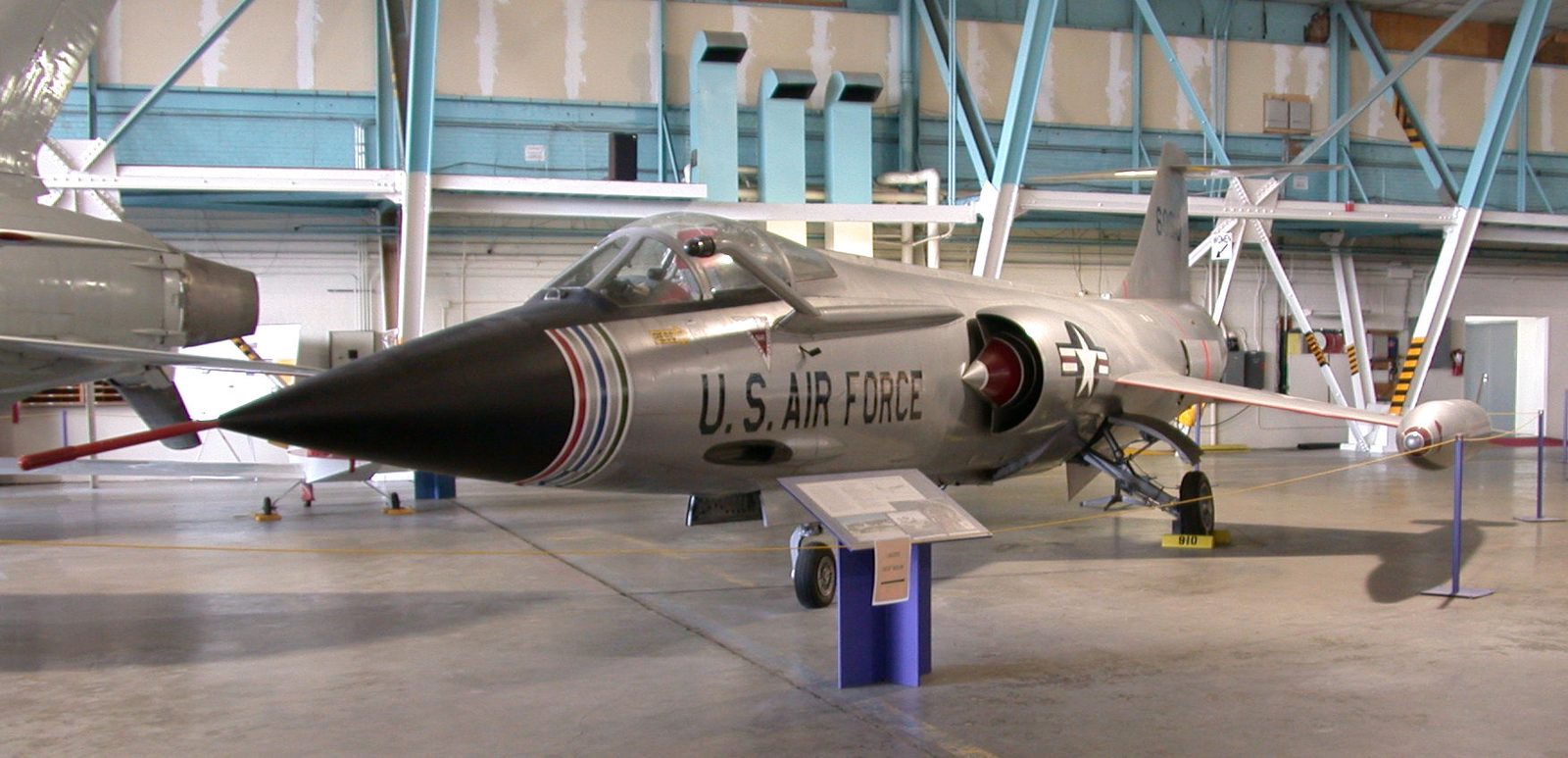
- Wings Over the Rockies Air & Space Museum — free for everyone, funded by the regional cultural tax, in the old Lowry hangar at 7711 E Academy Blvd. Monday to Saturday 10am to 5pm, Sunday 12 to 5pm. A hangar of aircraft, at no charge, and one of the best-value hours in the metro area.
- Under-18s are free at the Denver Art Museum, every open day, and that ticket now also admits you to the Kirkland Museum of Fine & Decorative Art, which merged with the DAM in October 2024. Kirkland is age 13 and up only.
- Under-18s are free at the History Colorado Center, every open day.
Free Outdoors
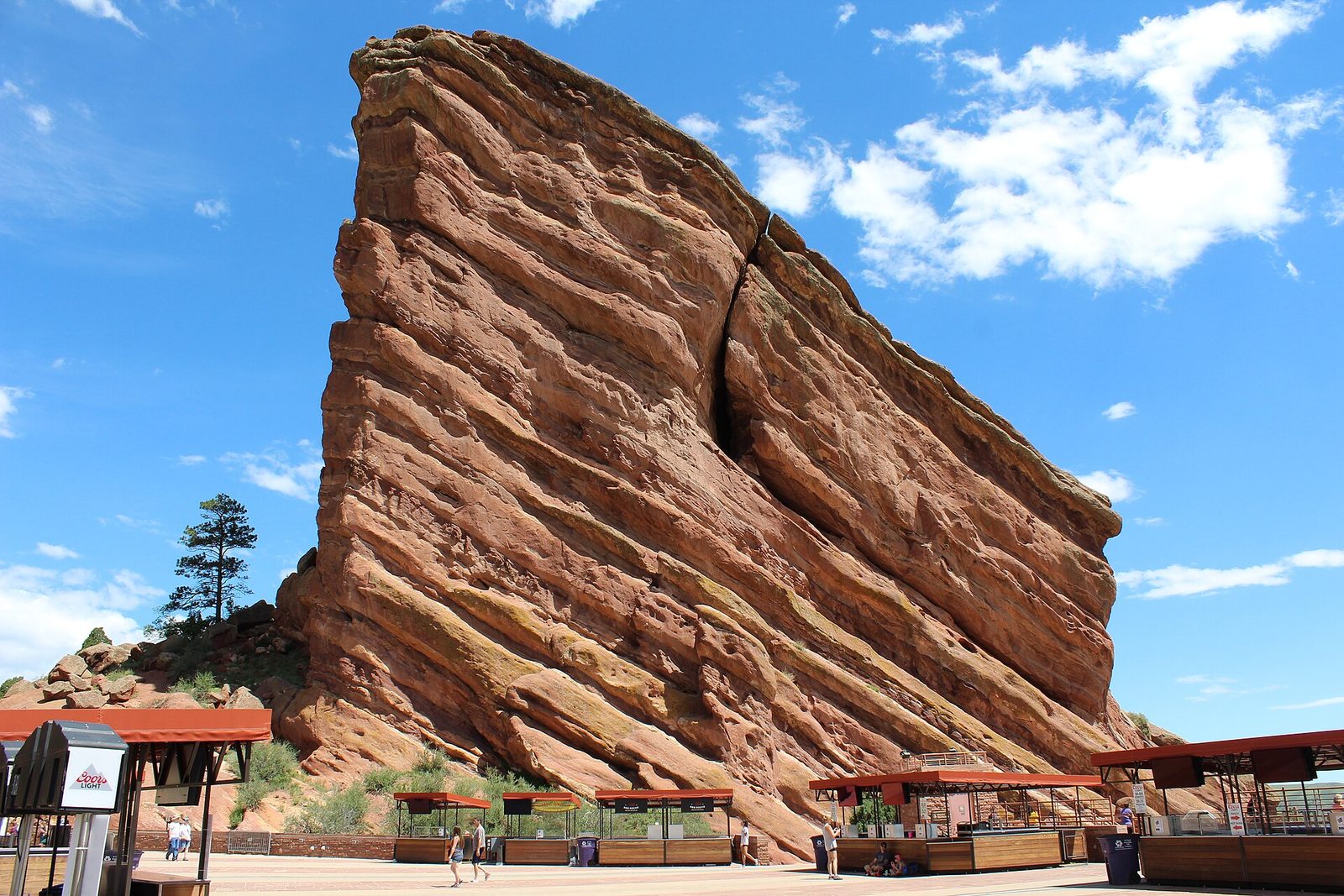
- Red Rocks Park — admission and parking both free on non-event days, 15 miles west off I-70 exit 259. The park and trails open an hour before sunrise to an hour after sunset; the Visitor Center runs 7am to 7pm March to October and 8am to 4pm November to February. The Trading Post Trail is a 1.4-mile loop.
- Jefferson County Open Space parks — Mount Falcon, Matthews/Winters, Apex, the Table Mountains, Lair o’ the Bear, Deer Creek Canyon. Free to enter, free to park. This is the difference between Colorado and most hiking destinations.
- Rocky Mountain Arsenal National Wildlife Refuge — free, and it has a bison herd.
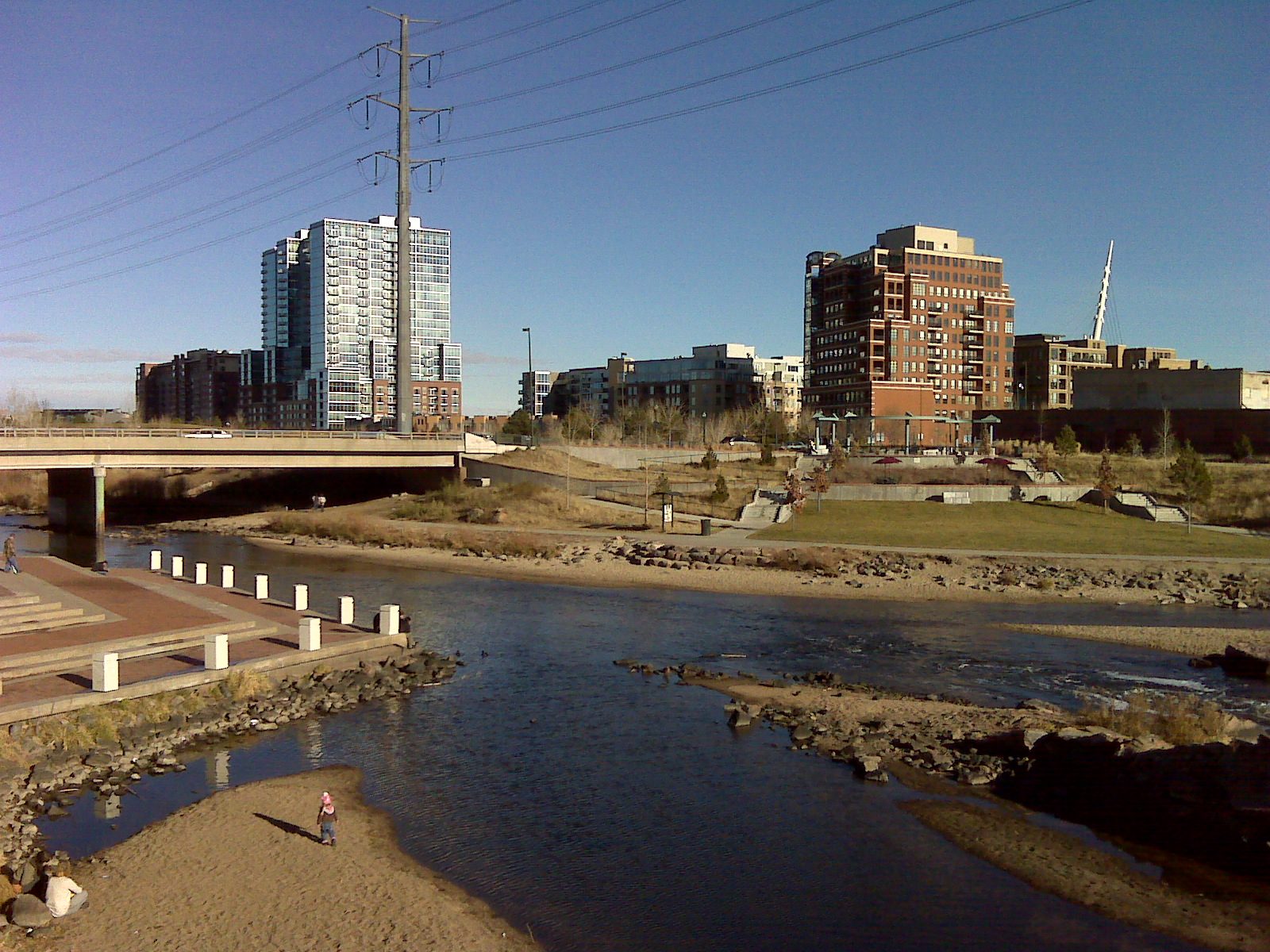
- City Park, Washington Park, Cheesman Park, Confluence Park — all free, all central, all genuinely good. Confluence Park’s stepped terraces and sandbar are where Denver’s children spend the summer.
- The South Platte and Cherry Creek trails — miles of traffic-free path in each direction from Confluence Park.
Free in the City
- The 16th Street FreeRide — the downtown shuttle, free, seven days a week, roughly every five minutes along the rebuilt 1.25-mile corridor between Union Station and Civic Center.
- The RiNo murals — the best public art in Denver, outdoors, free, and much of it repainted annually.
- The blue bear leaning into the glass at the Colorado Convention Center, and the Daniels and Fisher Tower at Skyline Park.
- Larimer Square — the oldest block in the city, with flags and string lights across it. Free to walk down.
- PrideFest in June and the Stock Show kick-off parade in January — both free to attend. See our guide to Denver events.
- The City and County Building holiday lights in December.
The Paid Attractions, Ranked by Value
When you do spend, spend well. These are the paid entries that give back most per dollar.
| Attraction | Adult price | Value verdict |
|---|---|---|
| Coors Field tour | $10 | Best value in the city. 70–80 minutes, includes the mile-high purple row |
| Clyfford Still Museum | $10 | Cheap, focused, and timed entry keeps it calm. Youth free |
| Denver Botanic Gardens | $16.25 | Good for a whole morning. $12 for students and ages 3–15 |
| Molly Brown House | $17 self-guided / $22 guided | Take the guided version — the interpretation is the value |
| Children’s Museum | $19.75 | Superb under 8, worthless over 8. Know which you have |
| History Colorado Center | $20 | Free for under-18s, which changes the family arithmetic |
| Denver Art Museum | $22–$30 | Two museums on one ticket since the Kirkland merger. Under-18s free |
| Denver Zoo | $27 | Excellent, but book the timed ticket 10 days ahead. Free parking |
| Denver Museum of Nature & Science | $27.95 | The fullest day on this list. Add-ons cost extra and need separate slots |
| Downtown Aquarium | $29.99 | The most expensive per hour here, and it is a restaurant with an aquarium attached |
Two structural notes. Admission prices in Denver do not move with the season, so there is no cheap month for attractions — only for beds. And the add-ons at the nature museum (planetarium $7, Sturm Theater $8, laser show $14) each need their own timed slot, so decide before you arrive rather than paying for two and watching neither.
The CityPASS Arithmetic
Denver CityPASS is $54 adult and $44 child, covering three of eight attractions over seven days from first use. The eight are the Downtown Aquarium, the zoo, the nature museum, the Botanic Gardens, the Children’s Museum, Wings Over the Rockies, the Denver Art Museum and History Colorado. Here is the honest maths, checked September 2026.
- Aquarium + nature museum + zoo = about $84.94 at the gate. The pass saves you roughly $31.
- Nature museum + zoo + art museum (peak, non-resident) = about $84.95. Again roughly $31 saved.
- Botanic Gardens + History Colorado + Children’s Museum = about $56.00. The pass saves you about $2, which is not worth the constraint.
Two traps. Wings Over the Rockies is one of the eight options and it is free for everyone — spending a pass slot on it is spending money on nothing. And for a child, the Denver Art Museum and History Colorado are already free for under-18s, so a child’s pass spent on either wastes a slot as well.
The rule: buy CityPASS only if your three are the expensive three. Work out your actual list first, add up the gate prices, and compare. For a lot of visitors — particularly families — it is the wrong purchase.
SCFD Free Days, and Why They Are a Mixed Blessing
The Scientific and Cultural Facilities District is a regional tax that funds Denver’s cultural institutions, and among other things it pays for scheduled free-admission days at the major museums and the Botanic Gardens. Dates are published per institution rather than centrally, so check each one’s own calendar.
The saving is real. So is the crowd — these are the busiest days those institutions have all year. If you are on a genuine shoestring, take the free day and accept the queue. If you have any flexibility, paying $27.95 for a quiet Tuesday at the nature museum is a better day out than getting in free on a packed Saturday, especially with small children. Our guide to Denver with kids is blunt about this.
Transport on a Budget
Transport is where Denver is genuinely cheap, and where most visitors overspend without realizing.
- Do not rent a car for a city trip. Downtown hotels charge $20 to $45 a night for parking, which over four nights is more than every attraction you will visit. Rent only for the days you are going to the mountains.
- The $10 Airport Day Pass covers the A Line from Denver International to Union Station in about 37 minutes plus everything else you use that day. A rideshare from DEN costs several times that and is slower in traffic.
- The $5.50 local day pass pays for itself in two rides. The 3-hour pass is $2.75.
- Anyone 19 and under rides free, on every RTD service, all the time. So do active-duty military. For a family this is the single largest saving available in Denver.
- Discounted fares of $1.35 for three hours and $2.70 a day apply to riders 65 and over, riders with a disability, Medicare recipients and LiVE program participants.
- The 16th Street FreeRide costs nothing, runs every five minutes and covers the downtown spine.
Our guide to getting around Denver covers which rail lines are actually running and where the network lets you down.
Eating and Drinking Cheaply
Denver is not a cheap restaurant city, but it has structural quirks that work in a budget traveler’s favor.
Taprooms usually have no kitchen. The standard arrangement is a food truck outside, a deal with a neighboring restaurant, or an explicit policy of letting you bring your own food in. That last one is genuinely useful: a supermarket sandwich eaten in a brewery is a perfectly normal evening here and nobody will look at you twice.
Order flights rather than pints. Four or five small pours for the price of a pint and a half, which is better value and — given the altitude — a better idea anyway. Our breweries guide covers the districts, and Baker and South Broadway are noticeably cheaper than RiNo or LoDo.
Tap water is good and free. Denver’s water comes off Rocky Mountain snowmelt and there is no reason to buy bottled. Given that the altitude requires roughly twice your normal intake, buying water would be a meaningful daily cost.
Eat your main meal at lunch. The same kitchens charge less at midday, including several serious ones. And avoid the ninety-minute window before first pitch on a Rockies game night, when LoDo fills and the wait lengthens without the prices falling.
For the full picture, our guide to where to eat in Denver covers the city properly.
Where to Sleep, and the Tax Nobody Mentions
The bed is the biggest line in a Denver budget, and the quoted rate is not the price. Denver’s lodger’s tax is 10.75 percent, rising to 11.75 percent at hotels with more than 50 rooms, on top of 4 percent Colorado state sales tax. A room advertised at $150 arrives at checkout at roughly $173 to $174 before parking or any property fee. Budget 15 to 16 percent on top of every rate you see.
Three ways to cut the bed cost meaningfully:
- Come in the cheap months. March is the annual floor, followed by January and November. The same room can cost half what it does in July.
- Stay on a rail line rather than downtown. A hotel near a light rail station in the southern suburbs, with a $5.50 day pass, is a fraction of a LoDo rate. Check evening service frequency before committing, because RTD thins out substantially after about nine.
- Avoid the event weekends. The Great American Beer Festival — 10 and 11 October in 2026 — and PrideFest in June both lift rates across the city whether or not you attend.
Our guide to where to stay in Denver compares the neighborhoods and their real costs.
The Cheapest Time to Come
March is the cheapest month in Denver, and it is better than it sounds. Average highs of 55.7°F, ski areas still running on a deep base, museums quiet, and hotel rates at their annual floor. The catch is that March is also the snowiest month of the year here, averaging 8.8 inches, so plans need slack.
January and November are the next cheapest, both cold, dry, sunny and quiet. February has no city-scale event at all, which is exactly what makes it good value. And the second half of October, after the beer festival weekend, combines falling rates with weather that is often still excellent. Our guide to the best time to visit Denver sets out the month-by-month picture in full.
Budget Day Trips
The mountains are the expensive part of a Colorado trip, but not all of them have to be.
Golden is reachable on the RTD W Line for the price of a day pass — a historic main street at the mouth of Clear Creek Canyon, with the creek itself, the Coors plant and a small cluster of independent breweries. It is the best value day trip in the state.
Boulder is the Flatiron Flyer bus from Union Station, about 55 minutes end to end, at a regional fare rather than a local one. Check the current price before you board.
Red Rocks is free to enter and free to park on non-event days, but there is no scheduled public transit to it — you need a car or a rideshare, which is the cost of that day.
Jefferson County Open Space trailheads are free with no parking charge, unlike Colorado state parks, which run $10 to $15 per vehicle per day. If you are choosing a hike on price, choose a JeffCo park. Our guide to the best hikes near Denver covers which are worth it, and our day trips guide is honest about which destinations need a whole trip rather than an afternoon.
The Mountains on a Budget
Colorado’s mountains are where a cheap trip usually stops being cheap, but the costs are not evenly distributed and a few distinctions save real money.
Park fees vary more than people expect. Jefferson County Open Space parks — the closest good hiking to Denver — are free to enter with no parking charge. Colorado state parks such as Roxborough, Castlewood Canyon, Staunton, Golden Gate Canyon and Eldorado Canyon charge a daily vehicle pass of $10 to $15 depending on the park, with a self-serve daily pass at $10 valid until noon the next day. Colorado residents can buy the Keep Colorado Wild Pass for $29 when registering a vehicle at the DMV, which is not available to a visitor. If you are picking a hike on price, pick a JeffCo park.
The scenic drives carry their own fees. Mount Blue Sky Road needs a timed-entry reservation booked on recreation.gov two days ahead with a $2 reservation fee on top of the entry fee, and it is seasonal — in 2026 the section above Summit Lake closed on 8 September. Rocky Mountain National Park requires a timed-entry permit in season on top of park entry. Neither is expensive in itself; both will ruin a day if you turn up without one.
Skiing is the expensive one, and there is no clever way around it. Lift tickets, equipment hire and mountain-town lodging together make a ski day the costliest thing most visitors do in Colorado. The honest advice is to ski midweek if you can, to base in Denver rather than a resort town if you are only doing one or two days, and to leave before six in the morning on any weekend, because I-70 westbound is regularly at a standstill and a Saturday spent in traffic is money as well as time.
Free Evenings
Budget advice usually stops at six in the evening. Denver has a decent answer for the hours after that.
Late museum hours are the best one. The Denver Art Museum runs to 8pm on Tuesdays, the Clyfford Still Museum to 8pm on Fridays, and the Denver Museum of Nature & Science to 9pm most Fridays — so an evening visit costs the same admission but occupies a slot you would otherwise be spending money in a bar.
The walking is free and genuinely good. The Larimer Square lights, the 16th Street corridor, the lit RiNo murals, and the path along the South Platte from Confluence Park all cost nothing. On a clear evening the light on the Front Range after a summer storm is the best free thing in Denver.
Live music is cheaper than you expect. Tickets at the Colfax venues — the Bluebird at around 500 capacity, the Ogden at 1,600, the Fillmore at around 3,700 — are reasonable by big-city standards, and the bars either side of them are not LoDo prices. Our guide to Denver nightlife covers the districts by cost as well as character.
One genuine saving that applies all evening: order flights rather than pints, drink water alongside, and remember that at this altitude the cheap approach and the sensible approach are the same approach.
Where Budget Travel Goes Wrong Here
Renting a car you barely use. The most common and most expensive mistake. Rental plus parking plus fuel for a trip that is 80 percent downtown is money spent on storage.
Buying CityPASS without doing the arithmetic. On the wrong three attractions it saves about two dollars and constrains your week.
Paying for a brewery bus tour. RiNo is fifteen minutes on foot from Union Station and the venues are five minutes apart.
Paying for a hop-on hop-off loop around a flat, mile-and-a-half core with a free shuttle running down the middle of it.
Booking a hotel without adding the tax. Fifteen to sixteen percent on a week is real money and it is entirely predictable.
Skimping on water and sun protection. At 5,280 feet with 25 percent less atmosphere overhead, sunscreen and water are not luxuries, and a sunburned dehydrated afternoon costs you a day of the trip.
Budget Travel by Season
The free list does not change with the calendar, but how usable it is does.
In summer, the free options are at their best and the beds at their worst. Parks, trails, murals and Red Rocks are all at full value, and Confluence Park alone can absorb an afternoon. The catch is that July and August are peak hotel months, so the money you save on attractions goes straight into the room. Work around the afternoon thunderstorm pattern, which puts storms through between roughly two and six on most days in that window, by doing the outdoor free things in the morning.
In winter, the calculation inverts. Beds are cheap, museums are empty on weekday mornings, and the free indoor spaces — the Union Station Great Hall, the Capitol, Wings Over the Rockies — become genuinely valuable rather than merely pleasant. Red Rocks and the foothills trails still work; you just need proper boots and a coat. Denver averages 49 inches of snow a year but it arrives in a handful of storms with bright cold days in between, so a winter trip is not the washout people imagine.
Spring and autumn are the best value overall, because you get most of summer’s usability at close to winter’s prices. Late September and the second half of October, after the beer festival weekend, are the two windows where the gap between quality of weather and cost of room is widest. March is cheaper still, with the trade-off that it is the snowiest month on the calendar.
Three Budget Days That Work
| Day | Morning | Afternoon | Cost |
|---|---|---|---|
| The free day | Capitol tour at 10am, free | Union Station, 16th Street, RiNo murals | $5.50 transit |
| The one-museum day | Nature museum or art museum | City Park or Civic Center, free | $22–$28 plus transit |
| The mountain day | W Line to Golden | Clear Creek, the main street, a taproom | $5.50 transit plus what you drink |
Strung together, that is three full days in Denver for under $50 in entry fees and about $17 in transport. Add the Coors Field tour at $10 and you have four. Our Denver itinerary guide sets out the longer versions.
Frequently Asked Questions
Is Denver expensive to visit?
Less than most comparable American cities, provided you do not rent a car and do not come in July. The free list here is unusually long — the Capitol and Mint tours, Wings Over the Rockies, Red Rocks Park, the Jefferson County trails, the 16th Street shuttle — and public transport is cheap and free for anyone 19 and under. The expensive parts are the hotel and the season.
What is free to do in Denver?
The Colorado State Capitol tour, the Denver Mint tour, Wings Over the Rockies Air & Space Museum, Red Rocks Park including parking on non-event days, all Jefferson County Open Space trailheads, City Park, Washington Park, Cheesman Park, Confluence Park, the RiNo murals, the Union Station Great Hall and the 16th Street FreeRide. Under-18s are also free at the Denver Art Museum and the History Colorado Center.
Is Denver CityPASS worth it?
Only on the expensive combinations. At $54 adult it saves roughly $31 on the aquarium, nature museum and zoo, and about $2 on the Botanic Gardens, History Colorado and Children’s Museum. Wings Over the Rockies is one of the eight options and is free anyway, and under-18s already get into the art museum and History Colorado free — so both waste a slot on a child’s pass.
What is the cheapest month to visit Denver?
March, followed by January and November. March has the year’s lowest hotel rates, quiet museums, ski areas still open and afternoons that often reach the sixties — but it is also the snowiest month, averaging 8.8 inches, so build in flexibility.
Do you need a car in Denver?
Not for the city. Downtown, LoDo, RiNo and the museum district all work on foot and rail, and hotel parking downtown runs $20 to $45 a night. Rent for the specific days you are heading to the mountains rather than for the whole trip.
How much is public transport in Denver?
$2.75 for a 3-hour local pass, $5.50 for a local day pass and $10 for the Airport Day Pass covering the A Line. Discounted fares of $1.35 and $2.70 apply for riders 65 and over and several other categories, and anyone 19 and under rides free on every service.
Are there free museums in Denver?
Wings Over the Rockies Air & Space Museum is free for everyone, funded by the regional cultural tax. Under-18s are free at the Denver Art Museum and the History Colorado Center every open day. The SCFD also funds scheduled free days at the major museums and the Botanic Gardens — published per institution, and the busiest days of the year at each.
How can I do Red Rocks cheaply?
Go on a non-event day, when admission and parking are both free, along with the Visitor Center and the Trading Post. The Trading Post Trail is a 1.4-mile loop. The only cost is getting there — 15 miles west off I-70 exit 259, with no scheduled public transit — so share a car or a ride.
What should I budget per day in Denver?
Excluding accommodation: about $10 a day on a free-attraction plan, $30 to $40 with one paid museum and a casual meal, and $70 to $90 for two paid attractions and two proper meals. Add roughly 15 to 16 percent to any quoted hotel rate for tax, and $20 to $45 a night for downtown parking if you bring a car.
Shopping is where a careful budget quietly leaks. Denver’s sales tax is 9.15 percent, added at the register rather than shown on the shelf, and the outlet malls only save money if you were driving past them anyway. Our guide to shopping in Denver covers where the thrift and vintage racks on South Broadway beat the boutiques, and which souvenirs are worth carrying home.
For the complete free list, with the conditions attached to each item, see our guide to free things to do in Denver. It covers the free tours and the always-free museum, how the SCFD free days work and when they fall, the summer concert series that cost nothing, and the free places that still need a car to reach.
Related Denver Guides
- Things to Do in Denver — the full attractions guide with prices and verdicts.
- Denver Tours — including the two free ones that beat most of the paid market.
- Best Time to Visit Denver — the cheap months and what you give up for them.
- Getting Around Denver — RTD fares, free travel for under-20s and why not to rent a car.
- Where to Stay in Denver — neighborhoods, real costs and the lodger’s tax.
- Denver With Kids — the free-for-under-18s rules that reshape a family budget.
- Best Hikes Near Denver — the free trailheads and the ones that charge.
- Denver Museums — which are worth paying for and which are free.
Photo Credits
The Great Hall at Denver Union Station: photo by Amy Aletheia Cahill / Wikimedia Commons (CC BY-SA 2.0)
Lockheed F-104C Starfighter at Wings Over the Rockies, Denver: photo by Greg Goebel / Wikimedia Commons (CC BY-SA 2.0)
Admission prices, RTD fares, tax rates and booking rules were checked against the operators’ own sites in September 2026 and change without notice. CityPASS arithmetic is based on gate prices at that date.
Denver Tourism Guide is an independent publication. We are not affiliated with VISIT DENVER, the City and County of Denver, CityPASS or any attraction listed here.