The Denver Zoo began in 1896 with a single orphaned black bear cub, and in 1918 it built Bear Mountain, a cliff of sculpted concrete that was the first zoo habitat in the United States designed to look like a natural landscape rather than a cage. It still stands beside the path today, a short walk from a ten-acre elephant habitat that would have been unimaginable to the people who built it. This Denver zoo visitor guide covers what you need to know before you go, starting with the rule that catches out more visitors than any other: you cannot simply turn up. Tickets are sold online only, for a timed entry, and they go on sale just ten days ahead.
Below you will find ticket prices and how the reservation system works, when to go and how long to stay, the habitats worth your time, food, rentals and accessibility, getting there and parking, the winter Zoo Lights event, how to combine the zoo with the rest of City Park, and an honest verdict on who it suits. The zoo’s current name is the Denver Zoo Conservation Alliance. Prices and rules were checked in September and October 2026 against the zoo’s own website.
Denver Zoo at a Glance
| What | Details |
|---|---|
| Address | 2300 Steele Street, in City Park, about three miles east of downtown |
| Hours | 9am to 4pm when we checked; hours shift with the seasons |
| Adults (16 to 64) | $27 |
| Seniors (65 and over) | $24 |
| Children (3 to 15) | $19 |
| Ages 2 and under | Free |
| Booking | Online timed reservation required; on sale 10 days ahead; non-refundable |
| Parking | Free, in a garage and surface lots |
| Time needed | 3 to 4 hours |
| Best time | Weekday mornings, from opening |
| Also nearby | Denver Museum of Nature & Science, across City Park |
Tickets and the Timed-Entry Rule
You need an online reservation for a specific arrival time. Tickets go on sale ten days in advance, and they are non-refundable, so book once your plans are firm. On summer weekends and holidays the popular morning slots go first; on a winter weekday there is usually plenty of choice. If you arrive without a reservation, do not count on being admitted.
Adult tickets were $27 for ages 16 to 64, $24 for seniors 65 and over and $19 for children aged 3 to 15 when we checked. That puts a family of two adults and two children at about $92 before food, rides or extras, which is in line with other major American zoos.
Free days
Like the city’s big museums, the zoo holds a few free days a year, funded by the Scientific and Cultural Facilities District, the regional cultural tax. In 2026 one fell on Sunday 25 January. Free days still require a reservation, and they are among the busiest days of the year, so arrive at opening if you go. Our guide to free things to do in Denver explains how the free days work across the city.
Is the CityPASS worth it for the zoo?
The zoo is one of eight attractions on the Denver CityPASS, which cost $54 for adults and $44 for children aged 3 to 11 when we checked, for three attractions within seven days of first use. Paired with the expensive options, it saves money. An adult choosing the zoo, the Denver Museum of Nature & Science and the Downtown Aquarium would pay about $84.94 at the gate, a saving of about $31. A child choosing the same three would pay about $63.94, a saving of about $20. Pair the zoo with cheaper choices, or with the art museum or History Colorado, which are already free for children, and the pass stops making sense. Our Denver on a budget guide runs the numbers for other combinations.
When to Go
Arrive at opening. Animals are most active in the cool of the morning, especially in summer, when many of the big cats and bears spend the afternoon asleep in the shade. The first two hours are also the least crowded.
Choose a weekday if you can. Summer weekends and school holidays are the busiest times, and spring weekdays bring school groups. A weekday morning in September is about as good as it gets.
Plan for the weather. Denver summers are hot and very sunny, with July highs near 90°F, and shade at the zoo is patchy, so bring water, sunscreen and hats. From about early July into August, thunderstorms often build in the afternoon, another reason to start early. Winter is underrated: on a bright, crisp January day the paths are quiet, cold-weather animals are lively, and you will often have habitats nearly to yourself. Our guide to Denver weather by month explains what to expect.
How Long to Spend, and How to Plan the Visit
Most visitors spend three to four hours, which is enough to see the major habitats at a comfortable pace with a lunch break. With small children, plan on a shorter visit with more stops; with keen animal lovers, a full day is easy to fill.
Rather than following a fixed route, plan around three simple principles. First, see the big outdoor habitats in the morning, when the animals are most active and the paths are coolest: the elephants, the predators and the bears. Second, save indoor viewing areas and shaded habitats for the middle of the day, when the heat builds. Third, check the day’s schedule of keeper talks and feedings when you arrive, and build the rest of your visit around one or two that interest you; seeing animals at feeding time is the best way to see them active.
Pick up a map at the entrance or check the zoo’s website before you go, since habitats occasionally close for maintenance or construction.
Three ways to plan the day
- With toddlers and preschoolers. Plan two to three hours, not four. Arrive at opening, see the elephants and one or two big habitats while energy is high, ride the carousel or the train as a reward, and leave before nap time. A rented stroller or wagon is worth it even for children who usually walk.
- With school-age children. A full morning at the zoo, lunch in City Park, and the Denver Museum of Nature & Science in the afternoon is the classic Denver family day. Time your zoo route around one keeper talk, which children remember far longer than a dozen enclosures.
- Adults and photographers. Come at opening on a weekday for the best light and the most active animals, linger at the elephants and the predators, and leave the busiest midday hours to the families.
The Habitats Worth Your Time
Toyota Elephant Passage
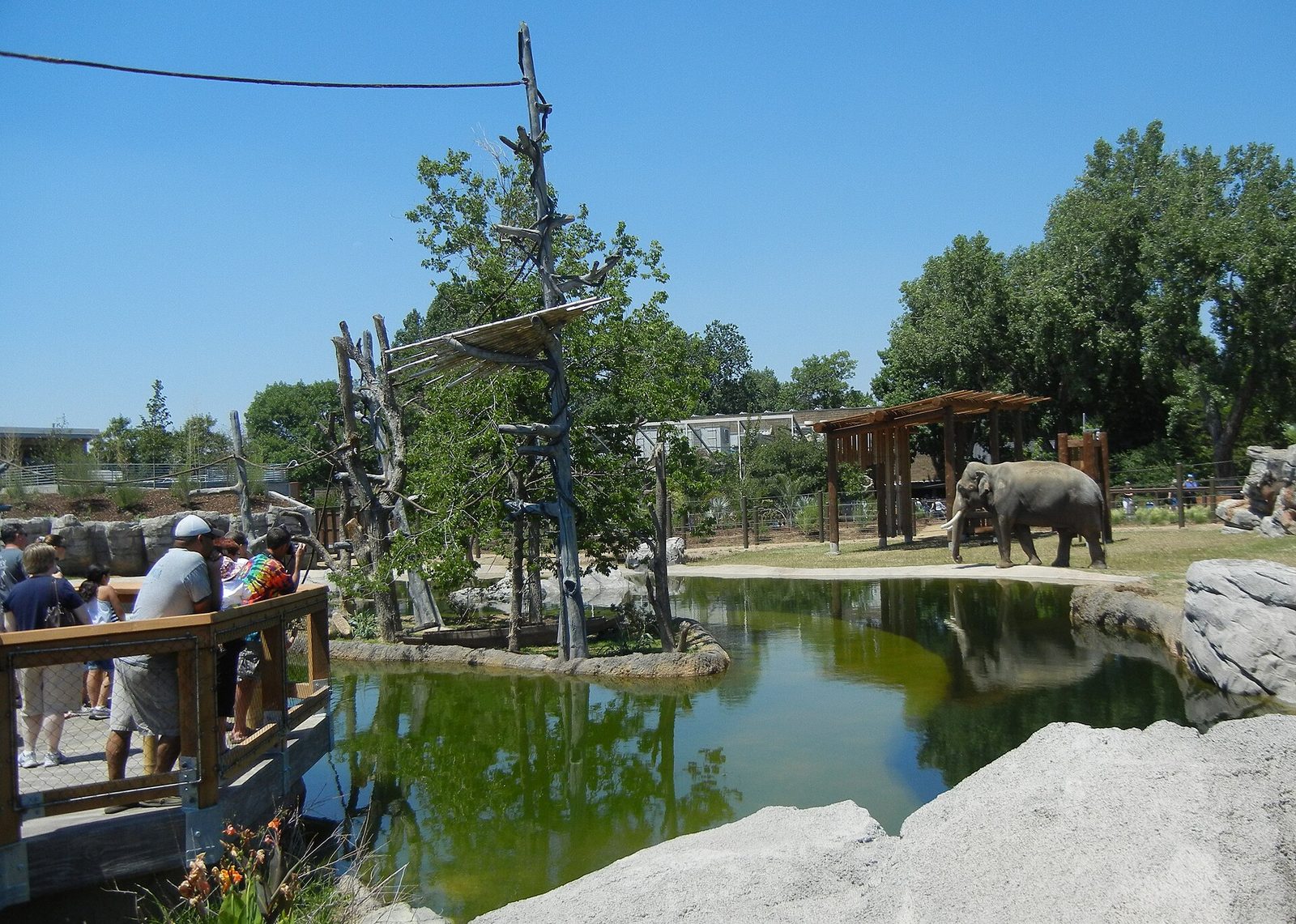
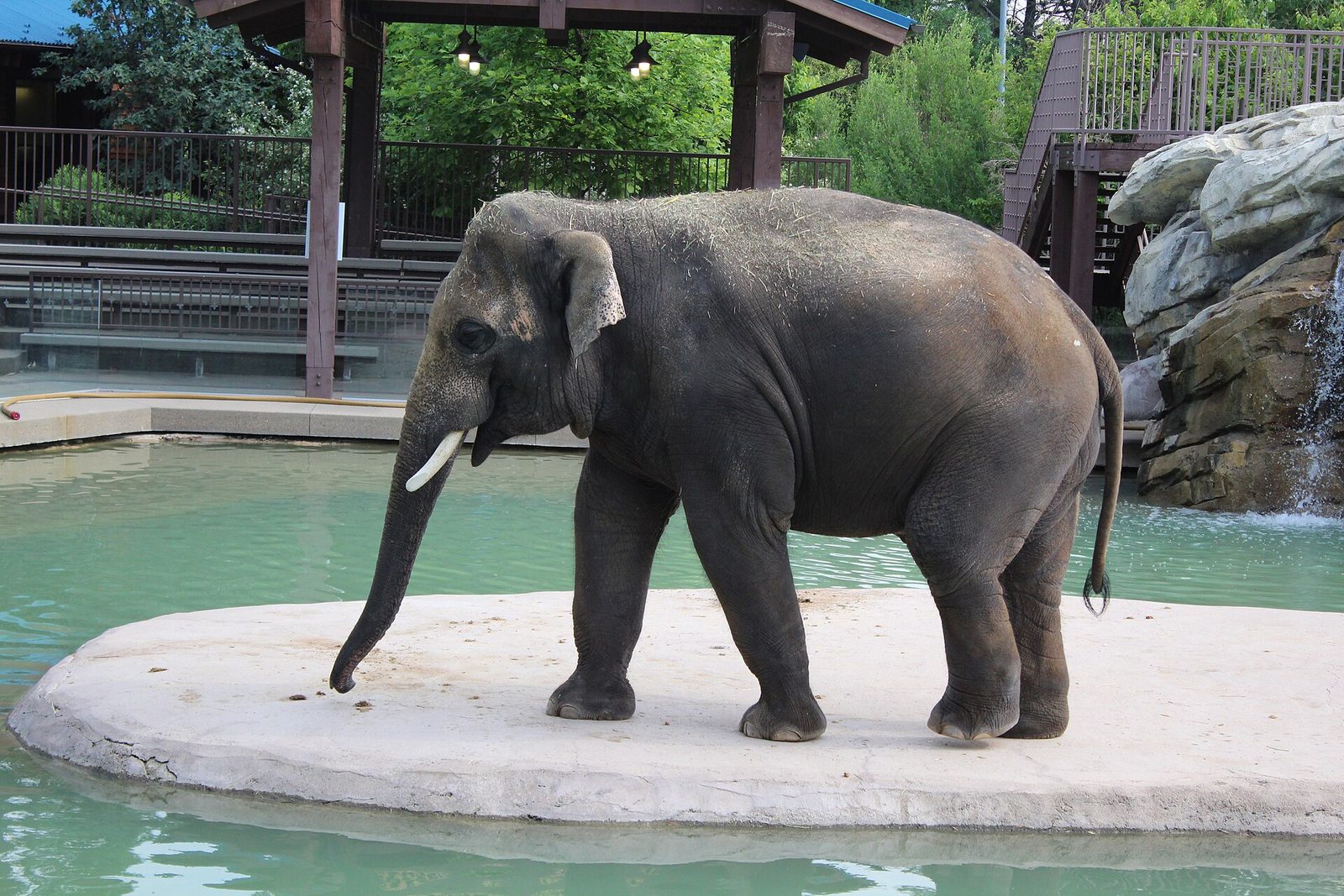
The zoo’s largest habitat covers about ten acres and was designed around tropical Asia. Asian elephants share the space with rhinos and gibbons, which swing across islands in the elephants’ pool, and the area is divided into three sections that evoke a wildlife preserve, a village and an outpost. Elephants move between connected yards and pools, so the experience changes through the day. It is the centerpiece of the zoo and the place to start.
Predator Ridge and Pahali ya Simba
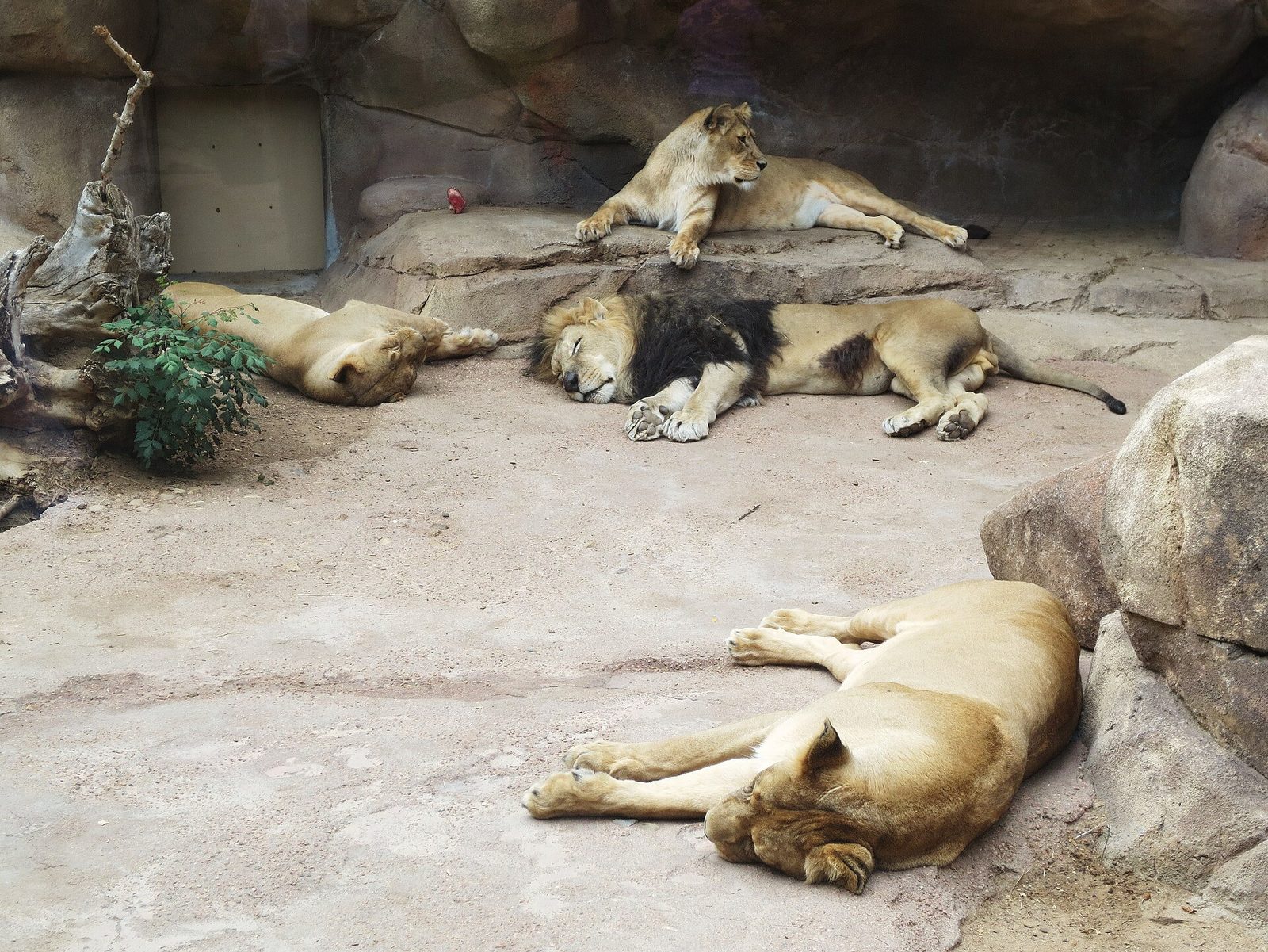
Predator Ridge, the zoo’s African predator area, has won the Association of Zoos and Aquariums’ top honors for exhibits. Its lion area includes Pahali ya Simba, Swahili for “place of the lions,” an indoor viewing area that puts you within inches of the big cats through the glass, and a maternity yard, Pahali ya Mwana, where you may see cubs. Go early: lions spend much of the warm afternoon asleep.
Bear Mountain
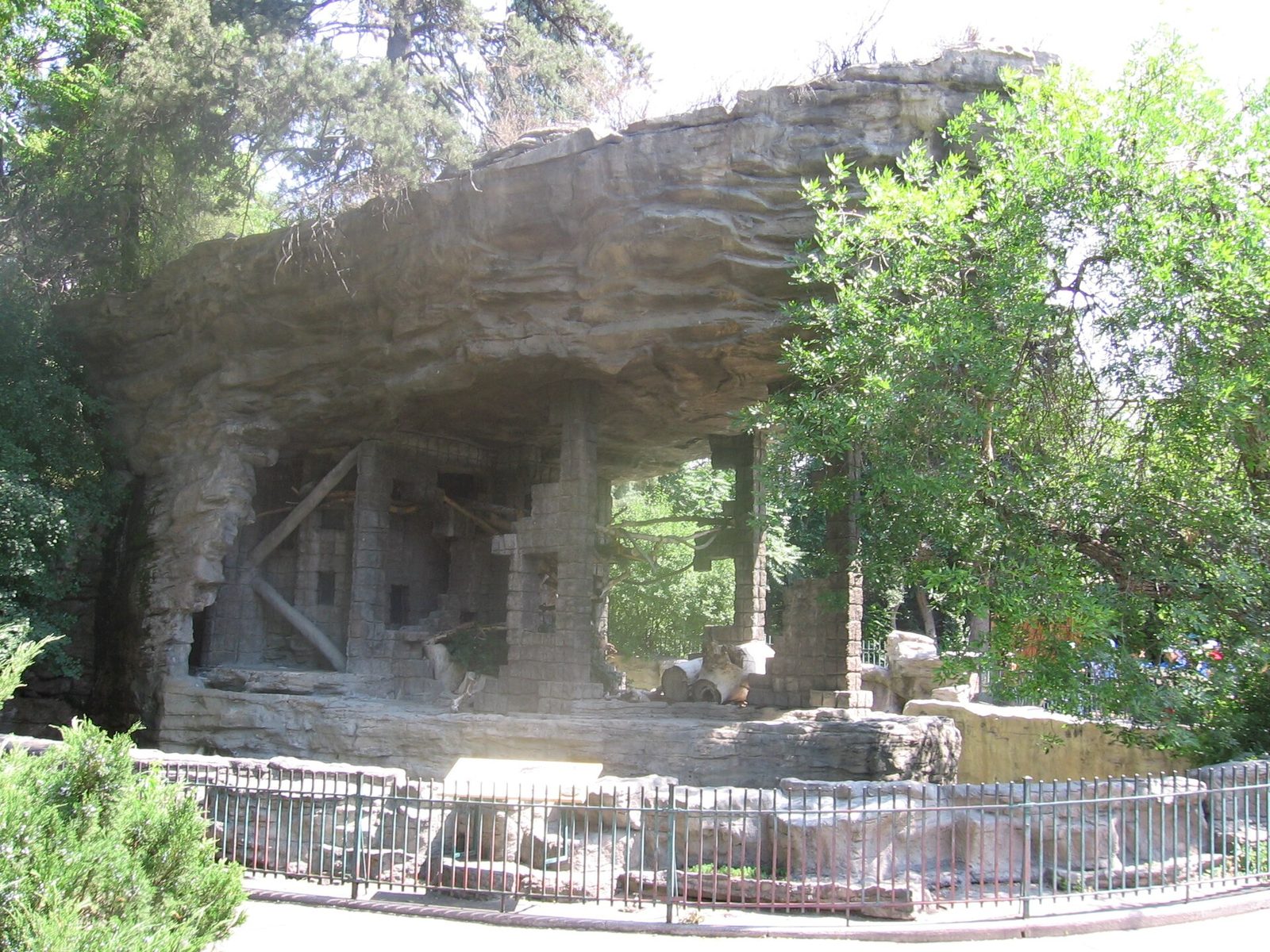
Built in 1918, Bear Mountain was the first naturalistic animal habitat in the United States, cast in concrete from molds of real rock formations, and it remains one of the most important pieces of zoo history in the country. It is worth a pause for the history alone, even if its residents are napping.
The great apes and the rest
Primate Panorama is home to the zoo’s great apes, and it is worth timing a visit for when the gorillas and orangutans are active. Beyond the headline habitats, the zoo holds giraffes and a wide range of birds and smaller mammals. The exact line-up changes as animals move between zoos and habitats are rebuilt, so check the zoo’s map on the day.
The Zoo Through the Seasons
| Season | What it is like | Tips |
|---|---|---|
| Spring | Mild days, green grounds, school groups on weekdays | Pack a layer; spring storms can bring snow as late as April or May |
| Summer | The busiest season; hot, very sunny afternoons and frequent thunderstorms | Arrive at opening, carry water and sunscreen, finish by early afternoon |
| Fall | Often the best weather of the year; quieter after Labor Day | September and October weekdays are ideal |
| Winter | Quiet paths, crisp sunny days, Zoo Lights in the evenings | Dress warmly; some animals spend more time indoors on the coldest days |
Rides, Food and Facilities
Rides
Two rides are popular with children: the Conservation Carousel and the Denver Zoo Railroad, a small train that circles part of the grounds. Both cost extra, and both have spaces for riders with mobility limitations; tell the operator if you need them.
Food
Food outlets around the grounds offer made-to-order meals and grab-and-go options, with online ordering to skip the line, and choices for gluten-free, vegetarian and vegan diets. Kibongi Market sits near the main entrance. Zoo food is zoo-priced, so many families bring snacks and a refillable water bottle; check the zoo’s current policy on outside food before you go. In summer, refill your bottle often: Denver’s dry air dehydrates visitors faster than they expect.
Accessibility and Rentals
The Denver Zoo is one of the more accessible attractions in the city. Paths are mostly flat and paved, and accessible parking is available on all four levels of the parking garage, near the elevators, and in the east lot in front of Kibongi Market and the main entrance.
- Rentals. Single and double strollers, push wheelchairs and electric convenience vehicles can be rented. Reserve them when you book your tickets; on busy days they run out.
- Sensory support. Sensory kits with ear defenders, sunglasses and fidget tools can be checked out at the concierge booth.
- Rides. The carousel and the railroad have accessible spaces.
Our guide to Denver with kids covers the zoo alongside the city’s other family attractions.
Visiting with older relatives or limited stamina
The zoo works well for multigenerational groups if you plan around energy rather than distance. Seniors 65 and over pay $24. Book an electric convenience vehicle or a wheelchair with your tickets if anyone in the group tires easily, since three or four hours on foot at 5,280 feet is harder than the same walk at sea level. Build in regular stops in the shade, keep everyone drinking water, and consider splitting the group for an hour so the faster walkers can cover the far habitats while the others rest near the entrance.
Getting There and Parking
The zoo is at 2300 Steele Street on the east side of City Park, about three miles east of downtown. Parking is free, in a multi-level garage and surface lots, which is unusual for a major Denver attraction; on busy summer weekends, arrive early for the spaces closest to the entrance.
Without a car, several RTD bus routes serve the edges of City Park; use RTD’s trip planner, since routes change. A local three-hour pass costs $2.75 and anyone 19 and under rides free. A ride-hail from downtown takes about 15 minutes. If you are already at the Denver Museum of Nature & Science, the zoo is a pleasant walk across the park. Our guide to getting around Denver has the full network.
Zoo Lights
On select evenings from late November into early January, the zoo turns into Zoo Lights, a walk through the grounds lit with displays of animals and lanterns, and it is one of the most popular holiday events in the city. In the 2025–26 season it opened from 4:30pm to 9pm Sunday to Thursday and 4:30pm to 10pm on Friday and Saturday, and closed on Thanksgiving and Christmas. Tickets were $30 for adults and seniors and $23 for youth on standard nights, $26 and $19 on value nights, with children 2 and under free, sold for 30-minute arrival windows. A bundle added hot cocoa and ride vouchers for the carousel or the railroad.
Book as soon as tickets go on sale, choose a value night if your dates allow, and dress for real cold: December nights in Denver average lows in the high teens Fahrenheit. Check the zoo’s website for the 2026–27 dates and prices. Our Denver events calendar covers the city’s other holiday events.
Eating Before and After
On a fine day, the best lunch near the zoo is a picnic in City Park, with the lake, shade trees and the mountain view thrown in. For a sit-down meal, the neighborhoods around the park, along East Colfax Avenue to the south and in Park Hill to the east, have plenty of casual restaurants and cafés a short drive away, and downtown is about 15 minutes by car. If you are pairing the zoo with the museum, eat between the two so that nobody tackles the afternoon hungry. Our Denver food guide covers the city’s restaurants by neighborhood.
Combining the Zoo With the Rest of City Park
The zoo sits in City Park, the city’s largest central park, which makes it easy to build a full day around it.
- The Denver Museum of Nature & Science is across the park. Adult admission was $27.95, and it opens from 9am. Zoo in the morning and museum in the afternoon is the classic City Park day, and it puts the indoor half in the hottest hours.
- The view from Ferril Lake, near the museum, of the downtown skyline against the mountains is one of the best free views in the city.
- City Park Jazz holds free Sunday evening concerts in summer, a fine way to end a zoo day.
- The Denver Botanic Gardens, on York Street, are a short ride south of the park.
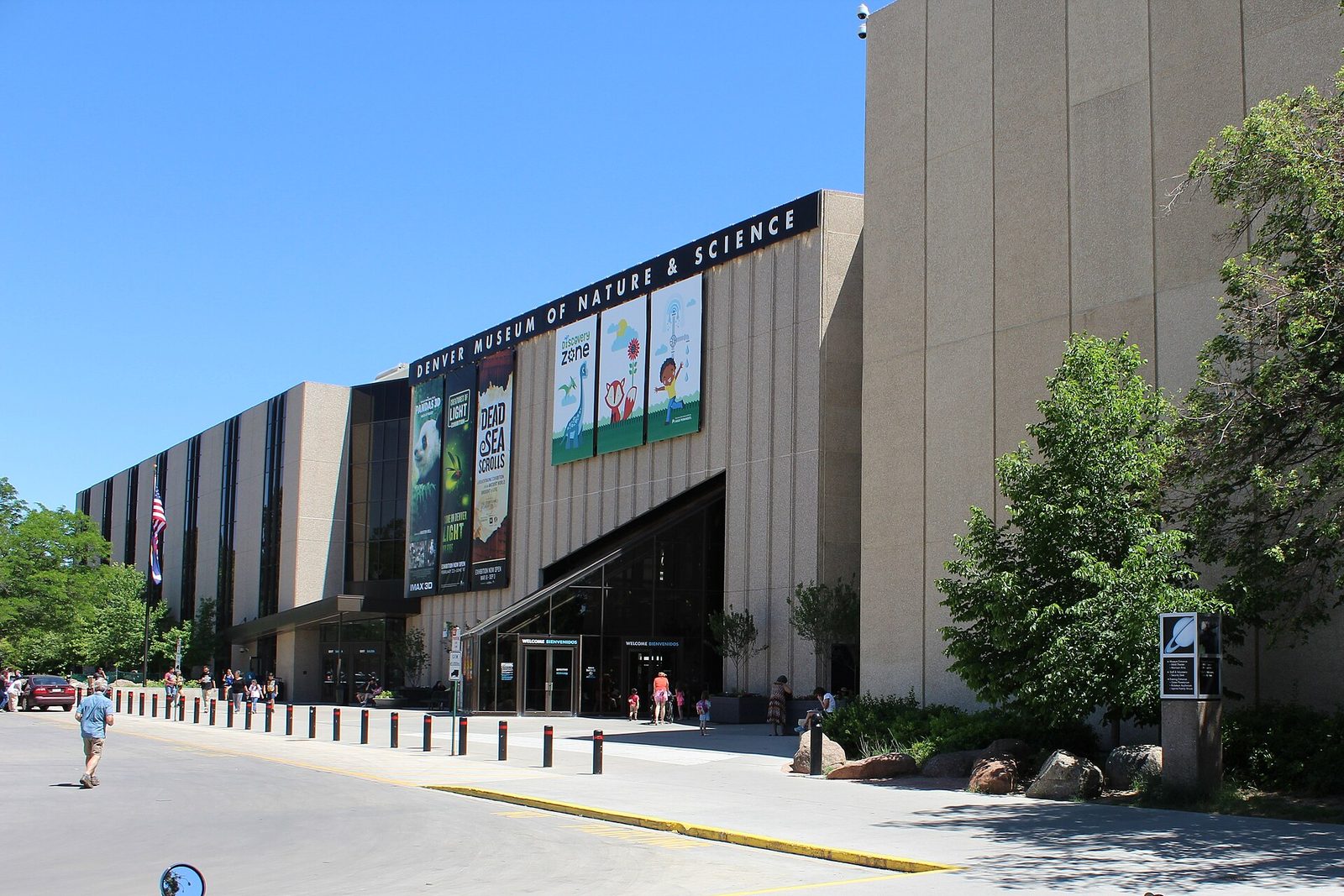
Our guide to Denver museums covers the nature and science museum in more detail.
Photographing the Animals
The zoo is a good place for wildlife photography practice, as long as you work with the conditions. Morning light is softer and the animals are more active, so arrive early. Shooting through glass, as at the indoor lion viewing area, works best with the lens held close to the glass and angled slightly to cut reflections; a dark jacket or your hand around the lens helps too. Never use flash on animals. A telephoto lens or a phone with a good zoom lets you frame animals across moats and pools, and patience near feeding time is rewarded with movement and interaction.
A Zoo With a Conservation Mission
The Denver Zoo changed its name to the Denver Zoo Conservation Alliance to reflect the work it does beyond its gates, and it is accredited by the Association of Zoos and Aquariums, which sets standards for animal care, welfare and conservation. Signs around the grounds explain the conservation programs linked to many of the species you see. It is worth reading a few: they turn a day of animal watching into a better understanding of why modern zoos exist.
Mistakes to Avoid
- Turning up without a reservation. Book online, up to ten days ahead.
- Arriving at noon in July. The animals are asleep and the paths are hot.
- Underestimating the sun and the dry air. Water and sunscreen are essential at altitude, even on mild days.
- Trying to see everything. Pick the habitats that matter to your group and enjoy them properly.
- Going on a free day without a plan. Free days are crowded; arrive at opening and see the big habitats first.
- Forgetting the stroller reservation. On busy days the rentals run out.
Practical Tips
- Book on day one of the ten-day window for summer weekends and holidays.
- Bring sun protection. At 5,280 feet the sun burns quickly, even on cool days.
- Carry water. The dry air dehydrates children and adults alike.
- Dress in layers. Denver temperatures swing widely between morning and afternoon.
- Reserve a stroller or wheelchair with your ticket rather than hoping for one on the day.
- Check the daily schedule for keeper talks and feedings as soon as you arrive.
- Do not pair a zoo visit with a long drive the same day. Three or four hours on foot at altitude is a full morning for most families.
Is the Denver Zoo Worth It?
For families with children, absolutely. It is one of the best zoos in the country, the elephant habitat is genuinely impressive, the predator area is excellent, the paths are easy, parking is free, and it pairs perfectly with the nature and science museum next door. For animal lovers of any age, it is an easy recommendation.
For adults on a short first trip without children, it is a closer call. The zoo is excellent, but it is not uniquely Denver in the way Red Rocks or the Capitol is, which is why we ranked it 11th in our list of Denver attractions for first-time visitors. If you have two days and no children, spend them on things you cannot do anywhere else; if you have a week, or children, put the zoo near the top of the list. Our main guide to things to do in Denver covers the alternatives.
Frequently Asked Questions
How much are Denver Zoo tickets?
When we checked, $27 for adults aged 16 to 64, $24 for seniors 65 and over and $19 for children aged 3 to 15. Children 2 and under are free.
Do you need a reservation for the Denver Zoo?
Yes. All visitors need an online timed reservation. Tickets go on sale ten days in advance and are non-refundable.
How long does it take to see the Denver Zoo?
Most visitors spend three to four hours. With young children plan for less, with more breaks; animal lovers can easily fill a full day.
Is parking free at the Denver Zoo?
Yes. Parking is free in the zoo’s garage and surface lots, with accessible spaces on every level of the garage near the elevators.
What is the best time to visit the Denver Zoo?
A weekday morning, arriving at opening, when the animals are most active and the paths are quietest. In summer, mornings also avoid the afternoon heat and thunderstorms.
Is the Denver Zoo open in winter?
Yes, year-round, and winter weekdays are often the quietest and most pleasant time to visit. On select evenings from late November into early January, Zoo Lights turns the grounds into a holiday light display, with separate timed tickets.
Can you use the Denver CityPASS at the zoo?
Yes. The zoo is one of eight CityPASS attractions. The pass saves money when combined with the other expensive choices, such as the Denver Museum of Nature & Science and the Downtown Aquarium, but not when paired with attractions that are already cheap or free for your group.
Is the Denver Zoo wheelchair accessible?
Largely, yes. Paths are mostly flat and paved, push wheelchairs and electric convenience vehicles can be rented, accessible parking is available, and sensory kits can be borrowed from the concierge booth.
Related Denver Guides
- Things to Do in Denver: every major attraction, with prices and verdicts.
- Denver With Kids: what’s worth it, what’s free, what to skip.
- Denver Museums: including the nature and science museum next door.
- Free Things to Do in Denver: free days and free alternatives.
- Denver on a Budget: the CityPASS arithmetic.
- Denver Events: Zoo Lights and the year’s calendar.
- Denver Itinerary: fitting the zoo into a longer trip.
- Where to Stay in Denver: bases near City Park.
Photo Credits
Toyota Elephant Passage and the gibbon islands at the Denver Zoo: photo by Donlammers / Wikimedia Commons (CC BY-SA 3.0)
Lions at the Denver Zoo: photo by Postdlf / Wikimedia Commons (CC BY-SA 3.0)
Asian elephant at the Denver Zoo: photo by Quincy Hansen / Wikimedia Commons (CC BY-SA 4.0)
Bear Mountain at the Denver Zoo: photo by Ginkgo100 / Wikimedia Commons (CC BY-SA 3.0)
Denver Museum of Nature & Science: photo by Sarbjit Bahga / Wikimedia Commons (CC BY-SA 4.0)
Ticket prices, hours, reservation rules, rentals, accessibility services and Zoo Lights details were checked against the Denver Zoo Conservation Alliance’s own website in September and October 2026. Zoo Lights figures are from the 2025–26 season. All change without notice; confirm before you visit.
Denver Tourism Guide is an independent publication. We are not affiliated with VISIT DENVER, the City and County of Denver, the Denver Zoo Conservation Alliance or any attraction listed here.