Walk three blocks in any direction from the corner of Larimer and 27th in RiNo and you will pass more working breweries than most American cities contain. Roll-up doors open onto concrete floors, fermenters visible behind the bar, a food truck parked outside because the place has no kitchen, and a chalkboard listing eleven beers of which four did not exist last month. That is the texture of Denver breweries, and it is worth understanding before you start planning, because the thing that makes this city’s beer scene remarkable is not any single famous brewery — it is the density, and the fact that most of it is genuinely good.
Colorado had 423 craft breweries in 2025, fifth in the country and sixth per head of adult population, producing 854,707 barrels a year and supporting a $2.5 billion economic impact. A large share of that sits inside the Denver metro area. This page tells you where to go, how a Denver taproom actually works, what the altitude does to you, and which parts of the scene are overrated. Prices, hours and booking rules were checked in September 2026 — taprooms change fast, so confirm anything specific before you build an evening around it.
Denver’s Brewery Districts at a Glance
| District | Character | Getting there | Best for |
|---|---|---|---|
| RiNo (River North) | The densest concentration in the city. Industrial buildings, murals, patios, roll-up doors | 15-minute walk northeast from Union Station | A walkable crawl with no planning at all |
| LoDo and downtown | Older, more established, more brewpub than taproom. Food on site | Walk from Union Station | A brewery you can also eat a proper meal in |
| Baker and South Broadway | Scruffier, cheaper, more locals than visitors. Dive bars in the mix | Bus down Broadway, or a short rideshare | An evening that is not aimed at tourists |
| Highland and Tennyson Street | Neighborhood taprooms with dogs, kids and strollers in them | Walk over the Millennium Bridge, or a short ride | An afternoon rather than a night out |
| Golden | The Coors plant plus a small independent cluster on Clear Creek | W Line light rail from Union Station | A half-day out of the city without a car |
The honest recommendation: if you have one afternoon, spend it in RiNo on foot. You do not need a list, a route or a booking. Walk out of Union Station, head northeast under the viaduct, and let the density do the work. If you have two, add Golden by light rail on the second day for the contrast between a multinational plant and the small operators along the creek.
Why Denver Became a Beer City
The usual explanation is water and altitude, and both are partly true — Rocky Mountain snowmelt is genuinely soft water and brewers do adjust recipes for elevation. But the real reasons are structural. Coors has been brewing in Golden since the 1870s, so the region has had a deep pool of brewing expertise, equipment suppliers and trained staff for more than a century. Colorado’s liquor law historically favored small producers selling on site, which made the taproom model viable early. And the Brewers Association, the national trade body for craft brewing, is headquartered up the road in Boulder, which is why the industry’s biggest annual event happens here rather than in a larger city.
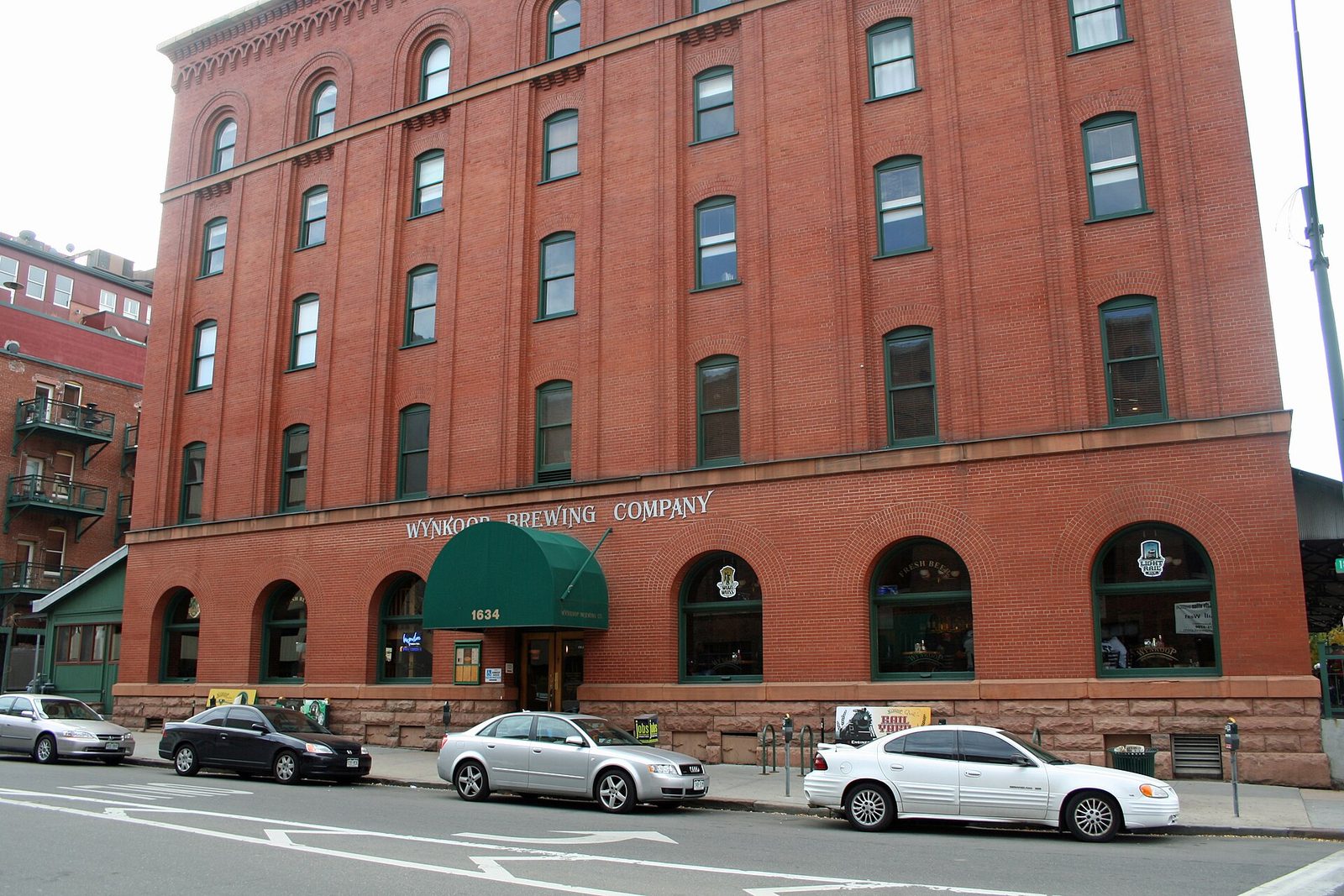
Wynkoop Brewing Company opened in 1988 in the J.S. Brown Mercantile Building on 18th Street, in a LoDo that was then mostly empty warehouses, and is generally credited as Colorado’s first brewpub. Great Divide followed in 1994. What began as a handful of operators in derelict industrial buildings turned into a dominant use for those buildings, which is why the map of Denver’s breweries looks so much like the map of its old warehouse districts.
How a Denver Taproom Actually Works
If your reference point is an English pub or a European beer hall, a Denver taproom runs on different rules, and knowing them makes the whole thing easier.
- Most have no kitchen. A food truck parks outside, or you are welcome to bring food in, or there is a pizza place next door with an arrangement. This is normal and not a sign of a poor operation. Check before you arrive hungry.
- You order at the bar and pay as you go, or open a tab. Table service is the exception, and mostly only in brewpubs with full restaurants.
- Flights are the standard way in. Four or five small pours on a paddle, usually for the price of a pint and a half. In a city where you may want to taste eleven beers, this is how you do it without ending the day early.
- Crowlers and growlers. A crowler is a 32oz can filled and sealed for you at the bar; a growler is the refillable glass jug. Both let you take beer back to the hotel. Check airline rules before you plan to fly with either.
- Dogs and children are often welcome, particularly at neighborhood taprooms in the afternoon. It varies by venue and by time of day.
- Taprooms close earlier than bars. Many stop serving around 9 or 10pm. A brewery crawl is an afternoon and early evening activity here; if you want a late night, that is a different set of neighborhoods and a different kind of venue.
- Tipping applies as it does anywhere else in American hospitality, including at the bar for a flight.
What You Will Find on the Taps
Denver’s list is broad, but a few patterns repeat often enough to be worth knowing before you order.
- IPA, in several dialects. The West Coast style — clear, bitter, resinous — never went away here, and it sits on menus alongside the softer, cloudier hazy style. If a board lists six IPAs, ask which are West Coast and which are hazy; they are genuinely different drinks and the bar staff will not mind the question.
- Big stouts. Colorado brewers have a long-standing fondness for imperial stouts and barrel-aged variants, frequently well north of 10 percent alcohol. These are the beers most likely to catch out a visitor who is also dealing with the altitude. Order them in a flight, not a pint.
- Lagers, and the return of them. A decade ago a craft taproom might have had one. Now Mexican-style lagers, pilsners and helles are on most boards, partly because this is a city where people drink after hiking and biking.
- Sours and wild ales. A serious local tradition, from quick kettle sours to genuinely aged barrel projects. Some are refreshing and some are challenging; the flight is your friend again.
- Seasonal releases. Fresh-hop beers in early autumn, when Colorado and Pacific Northwest hops come in, are the one seasonal category worth planning around.
Two habits will improve any tasting. Ask what the bar staff are drinking rather than what is most popular — the answer is usually more interesting and they are generally pleased to be asked. And check the ABV column on the board before committing, because a 9 percent beer served in a full pour is not unusual here and is not always signposted.
The Districts in Detail
RiNo: The Obvious Answer
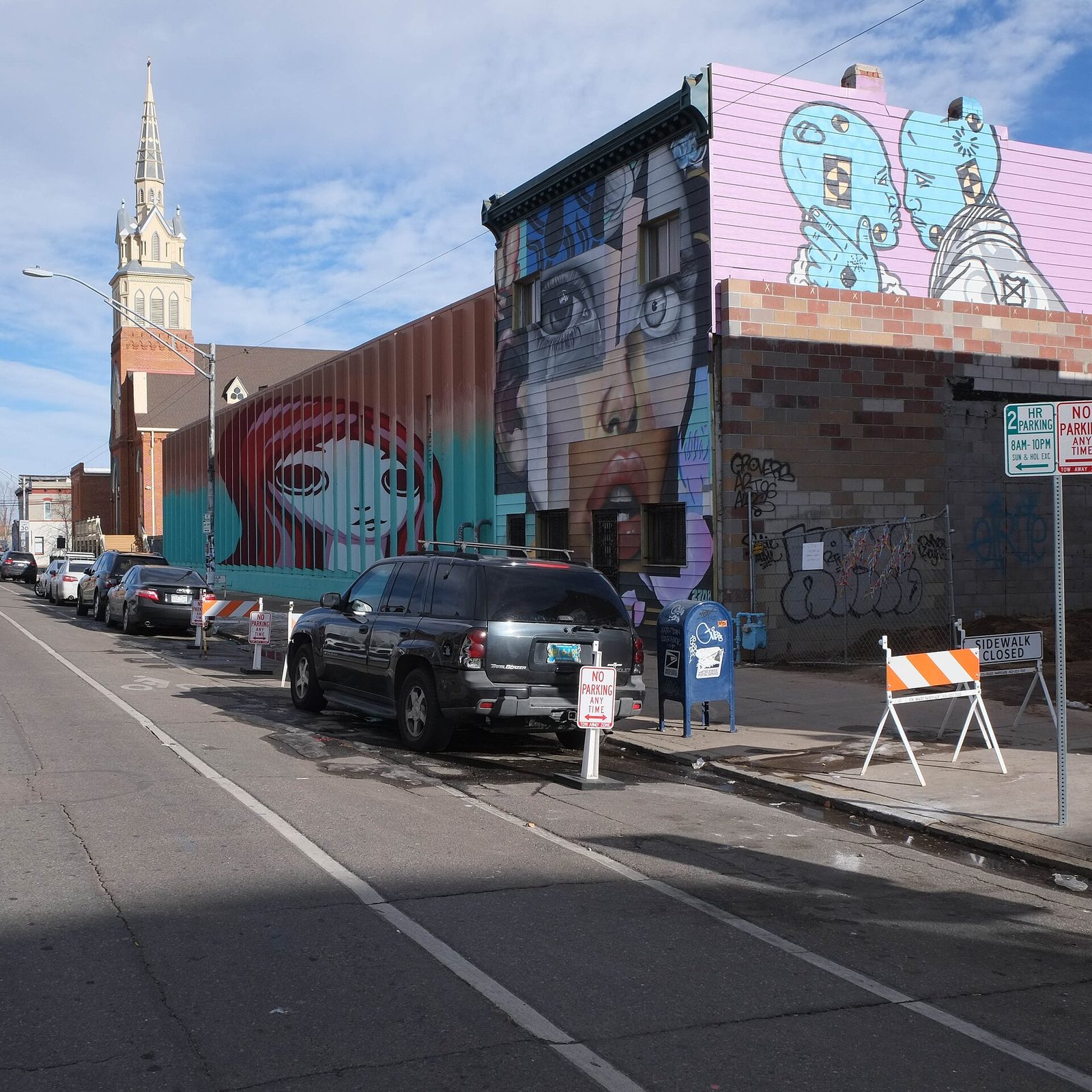
River North is the reason people fly here for beer. A former industrial district northeast of Union Station, it has the highest density of breweries, distilleries and cideries in the city, most of them within a few blocks of Larimer, Walnut and Blake Streets. It is also the center of Denver’s street art scene, so the walk between venues is genuinely interesting rather than just a gap between drinks.
What makes RiNo work for a visitor is that you can improvise. Pick a cross street, walk it, go into whatever has a patio and a crowd, then walk to the next. Most venues are within five minutes of each other. You do not need reservations, and the ones that require them are the exception rather than the rule.
The honest caveat: RiNo has become expensive and is no longer scruffy. Pints run several dollars more than in Baker, the crowds on a Saturday evening are substantial, and a district that was industrial and cheap fifteen years ago is now lined with new apartment buildings. It is still the best beer walk in the city. It is no longer the bargain it was.
LoDo and Downtown
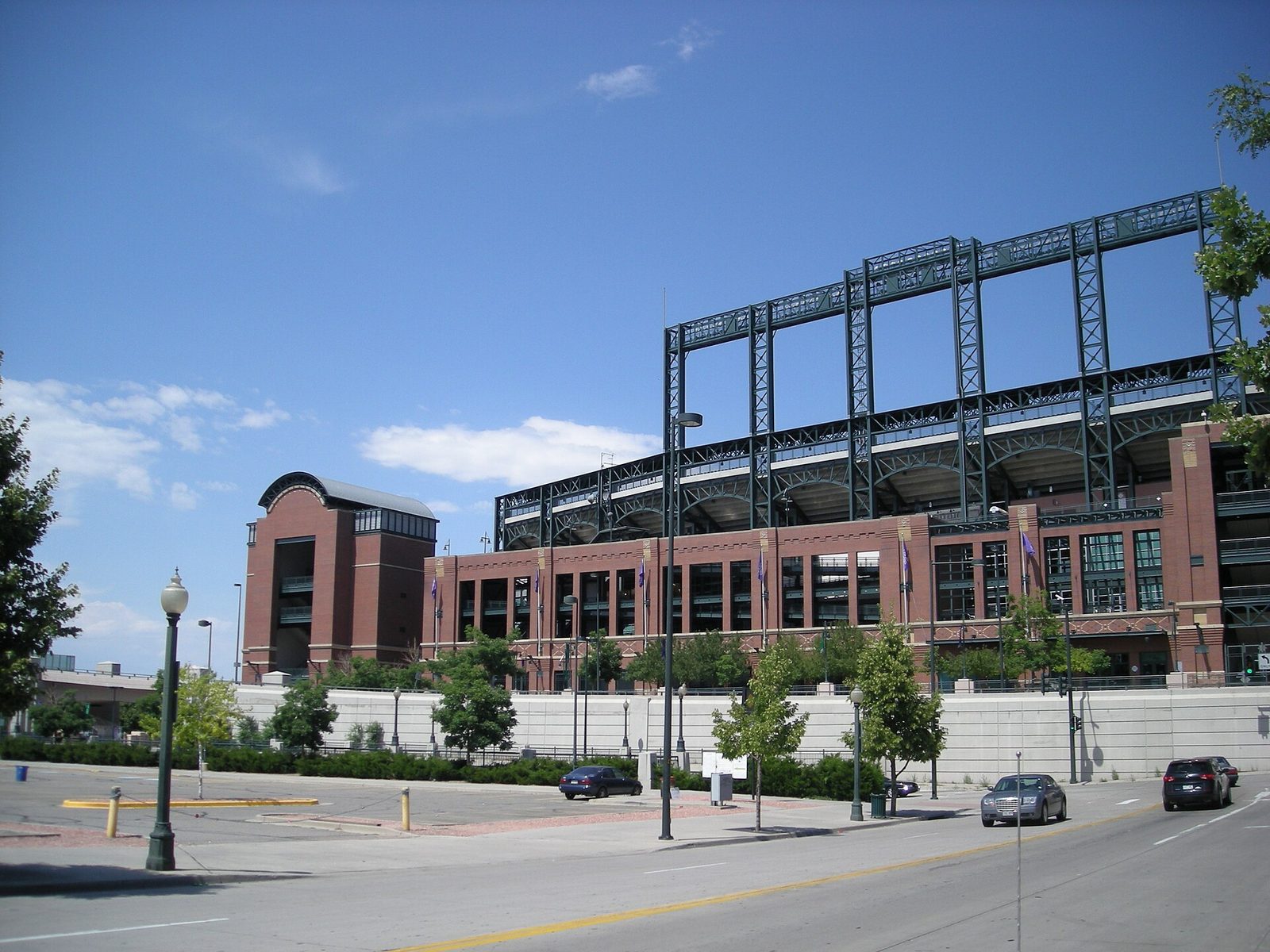
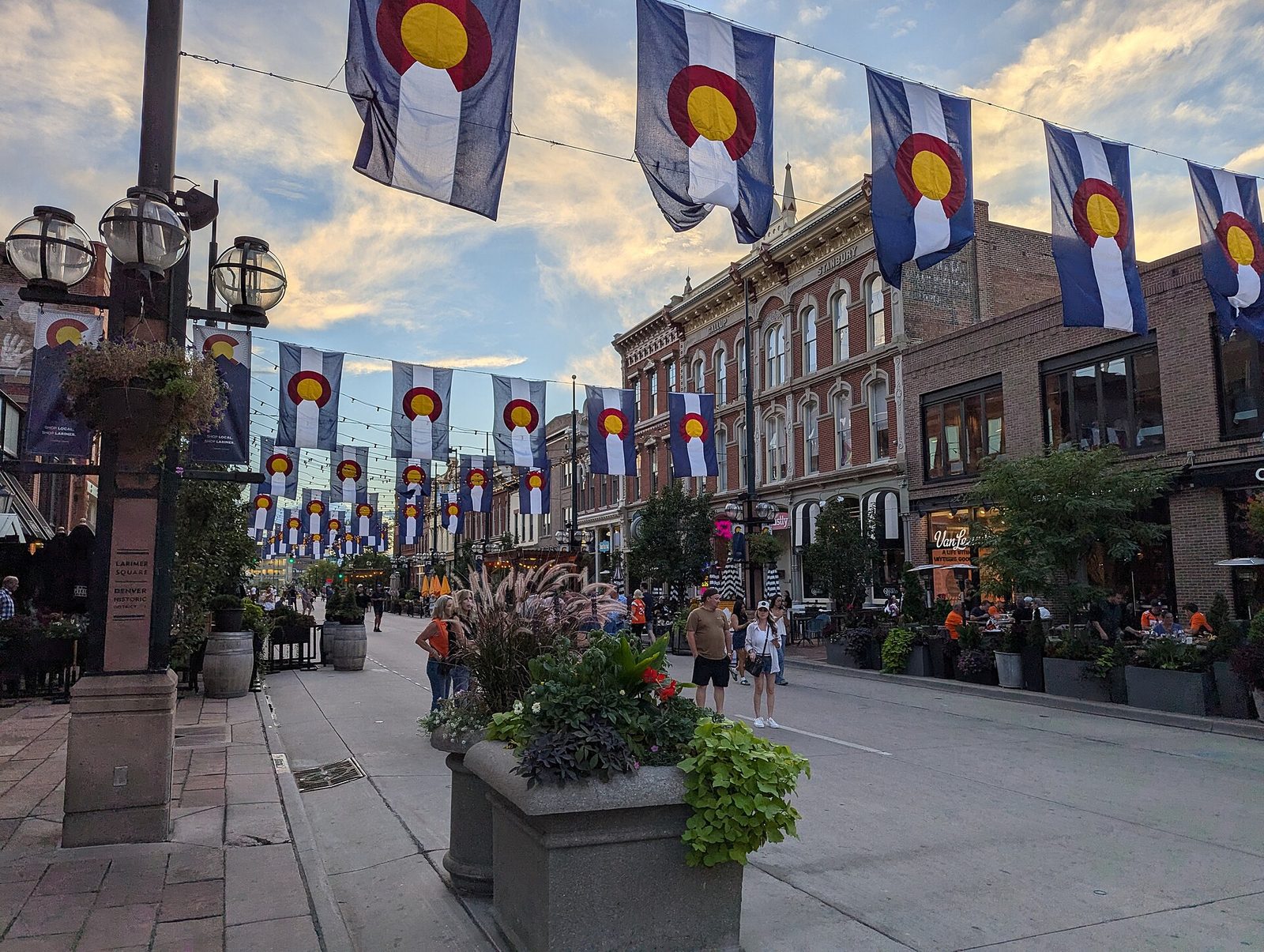
Lower Downtown is where the scene started and where the brewpub format survives — places with full kitchens, table service and a menu, as opposed to a taproom with a food truck. If you want to combine beer with a sit-down dinner, or you are with people who are not enthusiasts, this is the practical choice. It is also within walking distance of Union Station, Coors Field and Larimer Square, so it slots into an evening without a special trip.
The trade-off is that LoDo is the most visited part of Denver and prices reflect it, particularly on Rockies game nights when the whole district fills up ninety minutes before first pitch.
Baker and South Broadway
South Broadway below about 1st Avenue is where Denver goes when it does not want to be in RiNo. The Baker neighborhood mixes breweries with record shops, vintage stores, dive bars and music venues, and the crowd skews local. Prices are lower, the rooms are smaller, and the beer is often more adventurous precisely because the operators are not chasing a tourist crowd.
Getting there is a bus down Broadway or a short rideshare from downtown — walkable in theory at around two miles from Union Station, less pleasant in practice.
Highland, Berkeley and Tennyson Street
Northwest of downtown, over the Millennium Bridge and across I-25, the breweries change character again. These are neighborhood taprooms: smaller, quieter, with regulars, dogs on the floor and families in the afternoon. Tennyson Street in Berkeley is the best single stretch. It is not a crawl so much as a place to spend three hours, and it pairs well with the Victorian streets of Potter Highlands immediately south.
Golden and Clear Creek
Golden sits at the mouth of Clear Creek Canyon, fifteen miles west, and is reachable on the RTD W Line without a car — which makes it the easiest brewery day trip in Colorado. The town holds two very different things: the enormous Molson Coors plant that has been on this site since the 1870s, and a small cluster of independent operators along the creek that exist in its shadow.
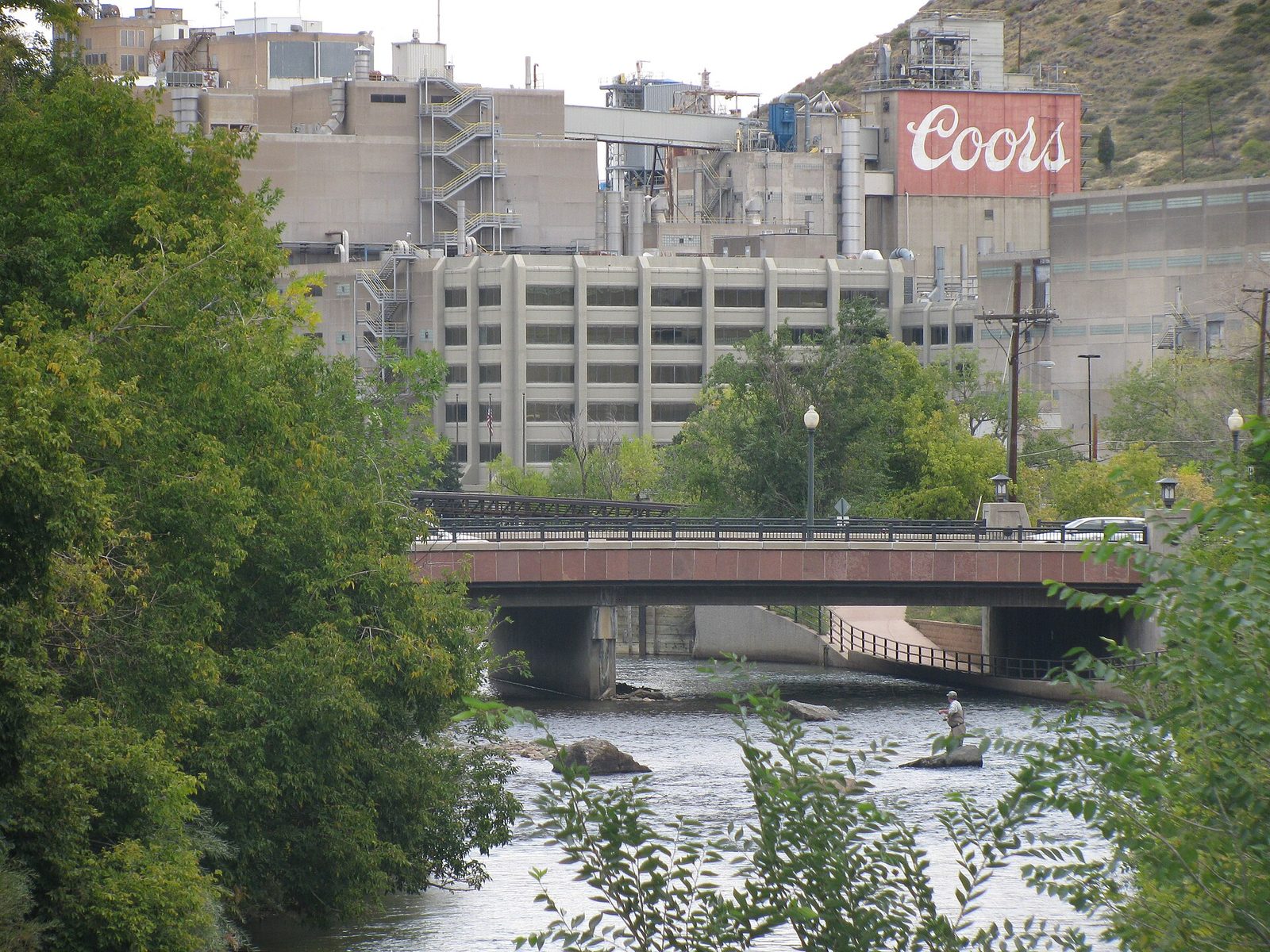
The Coors Brewery Tour runs Thursday to Monday, 10am to 4pm, and is a 90-minute walk through malting, brewing and packaging. Reservations are required and are released 25 days ahead at midnight Mountain Time, first come first served; they sell out quickly. Anyone drinking needs to be 21 or over with government photo ID. The tour parking lot is at 502 14th Street. Check the current price when you book — it was not published on the pages we checked in September 2026.
Is it worth it? If you have any interest in industrial process, yes — the sheer scale of a plant producing at this volume is genuinely impressive and nothing in the craft scene compares. If you came to Colorado for small independent beer, the tour is a curiosity rather than a highlight, and the independents along Clear Creek and the walk up the canyon are the better use of the same afternoon.
Aurora, Lakewood and the Outer Ring
The metro area’s suburbs hold plenty of good breweries, and they are where the locals who live there actually drink. Aurora to the east, Lakewood and Arvada to the west, and the southern suburbs along the light rail all support solid neighborhood operations with lower prices and no visitors in them at all. For a resident this is the whole point. For someone here for three days it usually is not — the travel time eats the advantage, and the beer is not better than RiNo’s, just cheaper and quieter. Consider the outer ring if you are staying out there anyway, or if you are visiting family, and skip it otherwise.
Arvada’s old town is the partial exception, because it is a genuinely pleasant historic main street with its own reason to visit and a handful of breweries on it, and the G Line commuter rail gets you most of the way there.
The Great American Beer Festival
The Brewers Association’s annual festival is the largest event of its kind in the country and it happens in Denver because the association is headquartered in Boulder. In 2026 it runs 10 and 11 October, and for the first time it is outdoors at Levitt Pavilion rather than in the Colorado Convention Center. That is a significant change: the convention center format was a vast indoor hall of pouring stations, and an outdoor site in October in Colorado is a different proposition entirely. Bring layers.
Two practical warnings. Hotel rates across the city spike that weekend, so if beer is not why you are visiting, avoid those dates on price alone. And GABF is a tasting event with small pours and enormous crowds — it is a great day if you want breadth, and a poor one if you want to sit in a good taproom and drink a pint properly. Many visitors get more out of a normal October weekend walking RiNo than out of the festival itself.
Altitude and Beer: The Warning Everyone Ignores
This is the single most useful paragraph on the page. Denver is at 5,280 feet, with roughly 25 percent less atmosphere than at sea level, and the official visitor guidance is to drink about twice your normal water and go easy on alcohol until you have acclimatized. Combine thin dry air, dehydration and a brewery crawl and the effect is real and frequently underestimated — people who handle four pints comfortably at home find that three here produce a considerably worse evening and a considerably worse morning.
What actually works: order flights rather than pints so you taste more and drink less; alternate with water at every venue, not every third one; eat properly before you start rather than relying on the food truck you might not find; and treat your arrival day as the wrong day for this. If you are going to do one serious beer day, make it day two or three of the trip. None of this is medical advice — it is just what the altitude does.
Doing a Brewery Day Without a Car
You should not drive to breweries, and in Denver you do not need to. The three workable approaches:
- Walk RiNo. Everything is within a few blocks, and Union Station is fifteen minutes away on foot at the end of the night.
- Rail to Golden. The W Line runs from Union Station to the Jefferson County Government Center. A local day pass is $5.50, and anyone 19 and under travels free. See our guide to getting around Denver for how the rail network fits together.
- Rideshare between districts. Baker to RiNo, or Highland to downtown, is a short and inexpensive hop. Costs rise sharply after events at Coors Field or Ball Arena, so check what is on.
Planning the Day
Three routes that work, depending on how much time you have.
| Time available | Route | Notes |
|---|---|---|
| One afternoon | Union Station → RiNo on foot, three or four venues, dinner in LoDo | No bookings needed. Start around 2pm; many taprooms wind down by 9 |
| One full day | W Line to Golden in the morning, Clear Creek and the independents, back for RiNo in the evening | Book the Coors tour 25 days ahead if you want it |
| Two days | Day one RiNo and LoDo; day two Baker and South Broadway, then Tennyson Street | The second day is the one locals would do. Pace it |
A brewery day sits well alongside the rest of a Denver trip because it is flexible — it fills an afternoon when the weather turns, and it works in any month. If you are fitting it into a longer plan, our Denver itinerary guide shows where it slots in without wrecking the following morning.
What a Brewery Day Costs
Beer pricing moves too fast to quote to the dollar, and it varies more by district than by quality, so here is the shape of it rather than a price list. RiNo and LoDo sit at the top of the range, Baker and the outer neighborhoods noticeably below, and a flight almost always represents better value than the equivalent volume in pints. Expect a barrel-aged or imperial beer to carry a premium over the standard list, sometimes a substantial one, and expect a pour size smaller than a pint to go with it.
The costs people forget are the ones around the beer. Food trucks are cash-friendly but not cheap. Rideshares between districts add up across an evening, particularly on an event night. And the taxes on a hotel room — Denver’s lodger’s tax is 10.75 percent, or 11.75 percent at hotels with more than 50 rooms, on top of 4 percent state sales tax — mean that a GABF-weekend booking costs roughly 15 to 16 percent more than the rate you were quoted.
The genuinely free parts of a beer day are worth naming. Walking RiNo costs nothing, and the murals are among the best public art in the city. Most taprooms will pour you a taste before you commit to a glass if you ask politely. And the 16th Street FreeRide will carry you the length of downtown for nothing at the end of the night, seven days a week at about five-minute intervals.
What to Skip
Four honest verdicts.
Organized brewery bus tours. In a city where the best district is a fifteen-minute walk from the main railway station and the breweries are five minutes apart, paying for a bus to drive you between three of them is solving a problem you do not have. The exception is if you want a designated driver for outlying breweries in the suburbs — but that is not where the good walking is.
Trying to “do” a list. Visitors arrive with ten names from a ranking article and spend the day marching between them. Denver’s scene rewards the opposite approach: pick a district, walk, and go into the places that look busy with locals. You will drink better beer and enjoy the day more.
The Coors tour, if you came for craft. Covered above. It is a good industrial tour and a poor craft-beer experience, and it takes the best part of a day once you count the travel.
Driving up to Fort Collins for the day. Fort Collins has a serious beer scene, and it is over an hour each way. It deserves its own overnight rather than a rushed afternoon carved out of a Denver trip. The same logic applies to Boulder and Longmont — good, but not worth the round trip if your time in Denver is short.
If You Are Not Drinking
A brewery afternoon does not have to exclude anyone. Most Denver taprooms now keep a non-alcoholic option on the board — increasingly a proper NA beer rather than a soda gun — and several also pour house-made root beer or kombucha, which is a legacy of the same small-batch culture. Nobody will look twice at an order for one.
The wider point is that these rooms are social spaces rather than drinking dens. Board games on a shelf, a trivia night midweek, a patio with a dog on it and someone’s toddler eating from a food truck box are all normal. If you are the designated driver, or pregnant, or simply not drinking, a RiNo afternoon still works — you are getting a walk through the best street art in Denver with stops in interesting buildings, and the beer is optional rather than the entire point.
Winter changes the geometry. The patios that define the summer scene close or fill with heaters, rooms get louder as everyone moves indoors, and the walk between venues in February is a brisk one. The beer is unaffected and the crowds are smaller.
Beyond Beer
The same industrial buildings that suit brewing also suit distilling, and Denver has a real whiskey and gin scene, much of it in the same RiNo blocks. Cider and mead operations are scattered through the same districts. Several venues pour all of the above, which makes life easier for a group where not everyone wants beer. And if you want to build a full evening rather than an afternoon, our guide to where to eat in Denver covers what to do about dinner — including the fact that the city’s Michelin-starred restaurants sit within a short ride of most of these districts.
Frequently Asked Questions
How many breweries are there in Denver?
Colorado had 423 craft breweries in 2025, fifth most in the country and sixth per head of adult population, with a large share of those inside the Denver metro area. The exact city figure moves constantly as venues open and close, which is why this page points you at districts rather than a list of names.
What is the best brewery district in Denver?
RiNo, without much argument. The highest density in the city, all walkable, fifteen minutes on foot from Union Station, and the murals make the walking between venues worthwhile in itself. Baker and South Broadway is the better answer if you want lower prices and fewer visitors.
Do you need reservations for Denver breweries?
Almost never for taprooms — you walk in. The significant exception is the Coors Brewery Tour in Golden, which requires a reservation released 25 days ahead at midnight Mountain Time and sells out quickly. Brewpubs with full restaurants may take bookings for dinner.
Does altitude affect how beer affects you in Denver?
In practice, yes, though mostly through dehydration rather than anything exotic. At 5,280 feet the air is thin and dry, official visitor advice is to drink roughly twice your normal water and go easy on alcohol until acclimatized, and a brewery crawl on your arrival day is a well-known mistake. Order flights, alternate with water and eat first.
Can you get to Golden from Denver without a car?
Yes. The RTD W Line runs from Union Station to the Jefferson County Government Center–Golden Station. A local day pass is $5.50 and riders 19 and under travel free. It is the easiest brewery day trip in the state.
When is the Great American Beer Festival?
In 2026 it runs 10 and 11 October, and for the first time it is held outdoors at Levitt Pavilion rather than at the Colorado Convention Center. Hotel rates across Denver rise sharply for that weekend, so check the dates whether you want to attend or want to avoid it.
Are Denver breweries family friendly?
Many are, particularly neighborhood taprooms in the afternoon, where dogs and children are a normal part of the room. It varies by venue and by time of night, and the later it gets the less true it becomes. Check individual venues if it matters.
Do Denver breweries serve food?
Most taprooms do not have a kitchen. The standard arrangement is a food truck outside, an agreement with a neighboring restaurant, or a policy of letting you bring your own. Brewpubs — which is what most of the older LoDo venues are — do have full kitchens and menus.
What should I do if I only have one evening?
Walk from Union Station into RiNo at about five in the afternoon, do three venues, and eat in LoDo afterward. No planning, no bookings, no transport. It is the single best-value evening in everything Denver offers for anyone with the slightest interest in beer.
The beer festival is one weekend in a year that has plenty of others, and a few of them will affect what your room costs whether you attend or not. Our guide to Denver events runs through the full calendar — the January Stock Show, June’s PrideFest, the late-July music weekend on South Broadway — and explains which ones are worth building a trip around.
One thing worth knowing before you plan a whole evening around taprooms: most of them stop serving around nine or ten, which makes a brewery night an early night. Last call across Colorado is 2am by state law, and the rooms that keep going until then are on Colfax and South Broadway rather than in RiNo. Our guide to Denver nightlife covers where the night moves to after the roll-up doors come down.
Related Denver Guides
- Denver Food — where to eat, what it tastes like and what to skip, including the Michelin list.
- Things to Do in Denver — the full attractions guide, with honest verdicts on each.
- Denver Neighborhoods — RiNo, Baker, Highland and the rest, explained properly.
- Getting Around Denver — RTD fares, the W Line to Golden and why not to drive to a brewery.
- Denver Itinerary — one to five days, with a brewery afternoon slotted in sensibly.
- Best Time to Visit Denver — including the October weekend to book or avoid.
- Downtown Denver — LoDo, Union Station and the walk into RiNo.
Photo Credits
Wynkoop Brewing Company, LoDo Denver: photo by Jeffrey Beall / Wikimedia Commons (CC BY-SA 3.0)
The Coors brewery above Clear Creek in Golden, Colorado: photo by Yassie / Wikimedia Commons (CC BY-SA 4.0)
Colorado brewery counts, production and economic impact figures are from the Brewers Association’s 2025 state statistics. Tour hours, booking rules and festival details were checked against the operators’ own sites in September 2026 and change without notice.
Denver Tourism Guide is an independent publication. We are not affiliated with VISIT DENVER, the City and County of Denver, the Brewers Association or any brewery listed here.