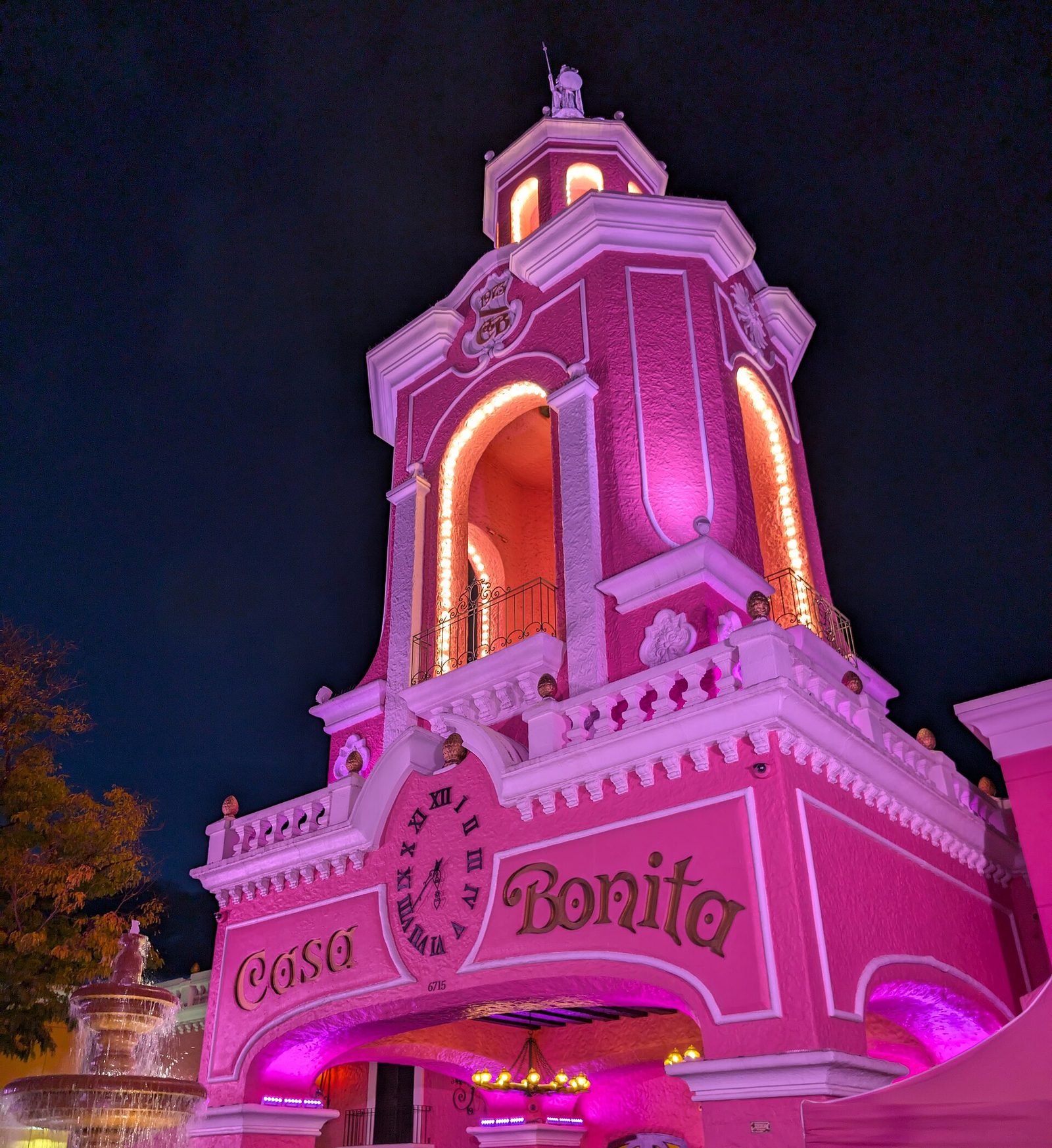
Denver spent most of its history as a steak-and-beer town with a good Mexican street behind it, and then in about fifteen years it became something else. The Michelin Guide arrived in Colorado in 2023; by the 2026 selection, revealed on 14 September, the state had ten starred restaurants and a two-star in Denver itself. Any list of the best restaurants in Denver written before that shift is now wrong, and any list written today will be partly wrong within a year, because this is a fast-moving scene in a city that is still growing. So this guide does two things instead of ranking a hundred names: it explains what Denver food actually is — green chile, game meat, Federal Boulevard, and beer as a civic identity — and it points at the places and categories that have earned their reputation. Checked September 2026.
One honest caveat up front, and it applies to every restaurant guide to every city. Restaurants close. Chefs move. A place that was extraordinary in spring can be ordinary by autumn. Everything named below was operating at the time of writing, but check before you build an evening around any single address, and treat the neighborhood recommendations as the more durable part of this page.
What Denver Food Actually Is
There is a real regional cuisine here, and it is not what visitors expect.
Colorado green chile is the anchor. It is not New Mexico’s green chile and Denver will tell you so: the Colorado version is typically a thicker, pork-based stew, often with tomato in it, ladled over burritos, smothered on breakfast plates, or eaten by the bowl with a tortilla. It appears on menus in diners, Mexican restaurants and brunch spots alike, and comparing versions across three neighborhoods is a genuinely good way to spend a weekend.
Game meat is the other native thread. Elk, bison and occasionally more adventurous options appear on menus from the historic steakhouses to the modern tasting counters. Bison is leaner and slightly sweeter than beef and is the one to try if you are trying one.
Rocky Mountain oysters — deep-fried bull testicles — are on menus at a handful of old-guard restaurants and are, honestly, a dare rather than a dish. They taste of the batter and the horseradish sauce. Order them once for the story, not for dinner.
And then there is the Denver omelette, which is a diner staple everywhere in America and no longer notably Denver’s, and Palisade peaches and Olathe sweet corn, which are genuinely excellent Colorado agricultural products that turn up on menus and at farmers’ markets in late summer and are worth seeking out in August and September.
The Michelin Picture
The guide’s arrival reshaped how Denver’s fine dining talks about itself. The 2026 Colorado selection, announced on 14 September 2026, expanded to cover the whole state, named ten starred restaurants, and — notably — took no stars away.
The Wolf’s Tailor holds two stars, awarded in the 2025 guide, making it the first two-star restaurant in Colorado history. It runs seasonal, hyper-regional tasting menus and books out well in advance.
Denver’s one-star list includes Beckon, the counter-seating tasting room; Alma Fonda Fina and its sibling Mezcaleria Alma; the omakase counter Kizaki; and, new for 2026, Milpero, from Johnny and Kasie Curiel. The 2026 guide also added Denver restaurants to its Recommended list — Florence Supper Club, Heretík, Dear Emilia and Madeline among them — and three new Bib Gourmands statewide, including Pig and Tiger and Rougarou.
The practical advice: starred restaurants in Denver are small, most seat you at a counter, and they release reservations on a schedule. If one of them is the reason you are visiting, book before you book the flight. If it is not, do not feel you have missed the city — Denver’s strongest food is in the $15 to $35 range, not the $200 one.
Where to Eat, Neighborhood by Neighborhood
The geography matters more than any single recommendation, because it determines what your evening looks like.
Union Station and LoDo
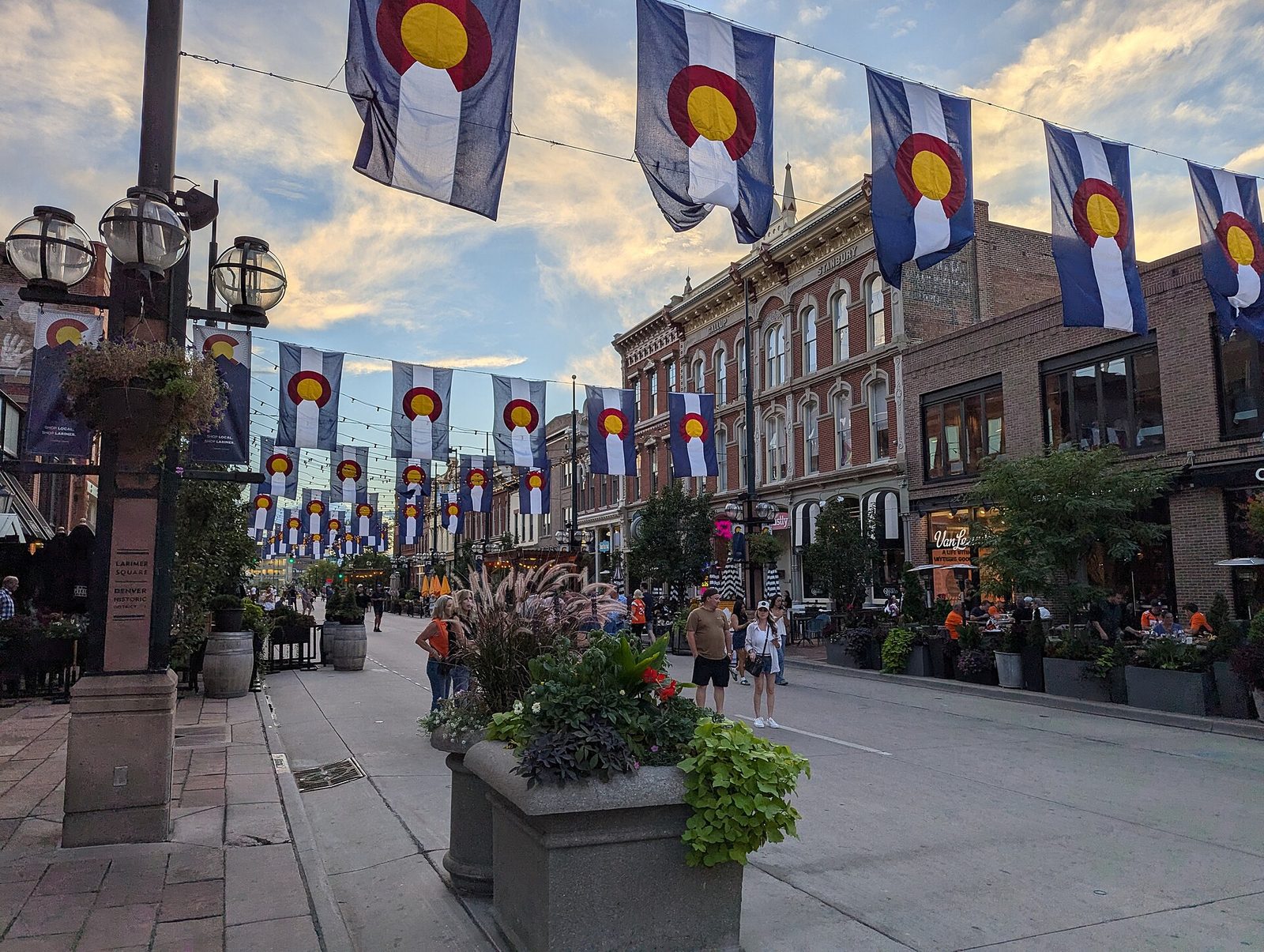
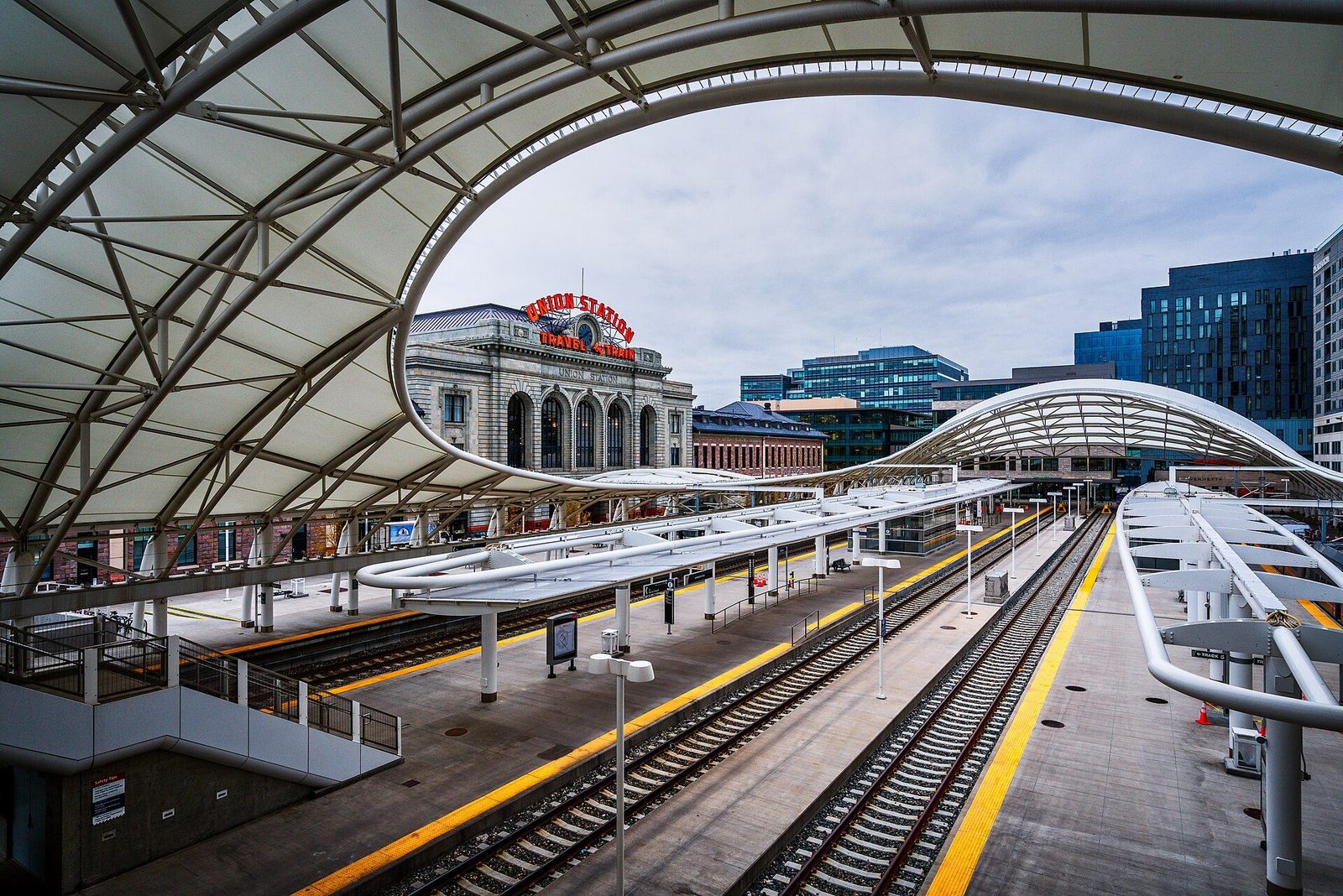
Union Station’s Great Hall has restaurants and bars built into a working train station, which is a genuinely good dinner setting and priced accordingly. Around it, the warehouse blocks of Wazee, Blake and Market hold the city’s densest run of sit-down restaurants, and Larimer Square‘s single pedestrianized block is the prettiest place in Denver to eat outside in summer. Book ahead on weekends; walk-ins on a Friday are optimistic.
Wynkoop Brewing Company, at 18th and Wynkoop opposite the station, deserves a mention beyond its beer: opened in 1988, it was Denver’s first brewpub, co-founded by John Hickenlooper before he became mayor and then governor, and it is a reasonable claim to the birthplace of the city’s brewing revival.
RiNo
The most concentrated eating and drinking in the city, in converted industrial buildings northeast of the ballpark. Breweries, cocktail bars, food halls and a steady churn of ambitious new restaurants along Larimer and Walnut between 25th and 31st. It is where Denver goes out, and it is the neighborhood where wandering without a plan works best.
The Highlands and LoHi
Across the river from downtown, reachable on foot over the pedestrian bridges, the Highlands is where a lot of Denver’s best cooking has settled — smaller rooms, residential streets, skyline views from the hill. If you want one neighborhood dinner that feels like the city rather than the tourist core, this is it.
Capitol Hill and Colfax
Cheap, late and unpretentious. Pete’s Kitchen on East Colfax has been serving gyros, green chile and breakfast at all hours for decades and is a Denver institution in the literal sense. Sam’s No. 3, a downtown diner with roots going back to a 1927 original, does the green chile comparison test in a single sitting. This is the part of town where a good meal costs $15.
Federal Boulevard
The most important street in Denver food and the one almost no visitor guide mentions. Running north–south a couple of miles west of downtown, Federal is lined with Mexican, Vietnamese, Thai, Salvadoran and Ethiopian restaurants — taquerías, pho houses, bakeries — at prices that downtown cannot approach. A twenty-minute drive or a bus ride, and the single best value in the metro area. Go hungry and pick somewhere busy.
Santa Fe Drive and the Art District
El Taco de Mexico on Santa Fe is the one address here that everybody agrees on: a counter, a griddle, a menu that has not needed to change, and green chile that people drive across the city for. First Friday art walks turn the whole street into an event.
South Pearl and Washington Park
A quieter, residential dining strip with a well-regarded Sunday farmers’ market in season. This is where you eat if you are staying south of downtown or want an evening without noise.
Cherry Creek North
The affluent option: a walkable grid of low-rise blocks north of First Avenue with patios, wine bars and the city’s densest concentration of good lunch. It skews expensive and polished rather than adventurous, and it is where you eat well with parents or clients rather than where you discover something. The advantage over downtown is that a table is usually available.
Five Points and Welton Street
Historically the heart of Black Denver — the stretch of Welton Street once known as the Harlem of the West, where Ellington and Holiday played the jazz clubs — and still the place to find soul food and barbecue in the city, alongside a new generation of restaurants and coffee shops. It sits between downtown and RiNo, and it is a short walk from either. The neighborhood has been through hard gentrification and the older businesses that remain are worth supporting on their own terms.
How Denver Got Good
The change is recent enough that its causes are still visible, and understanding them helps you read a menu here.
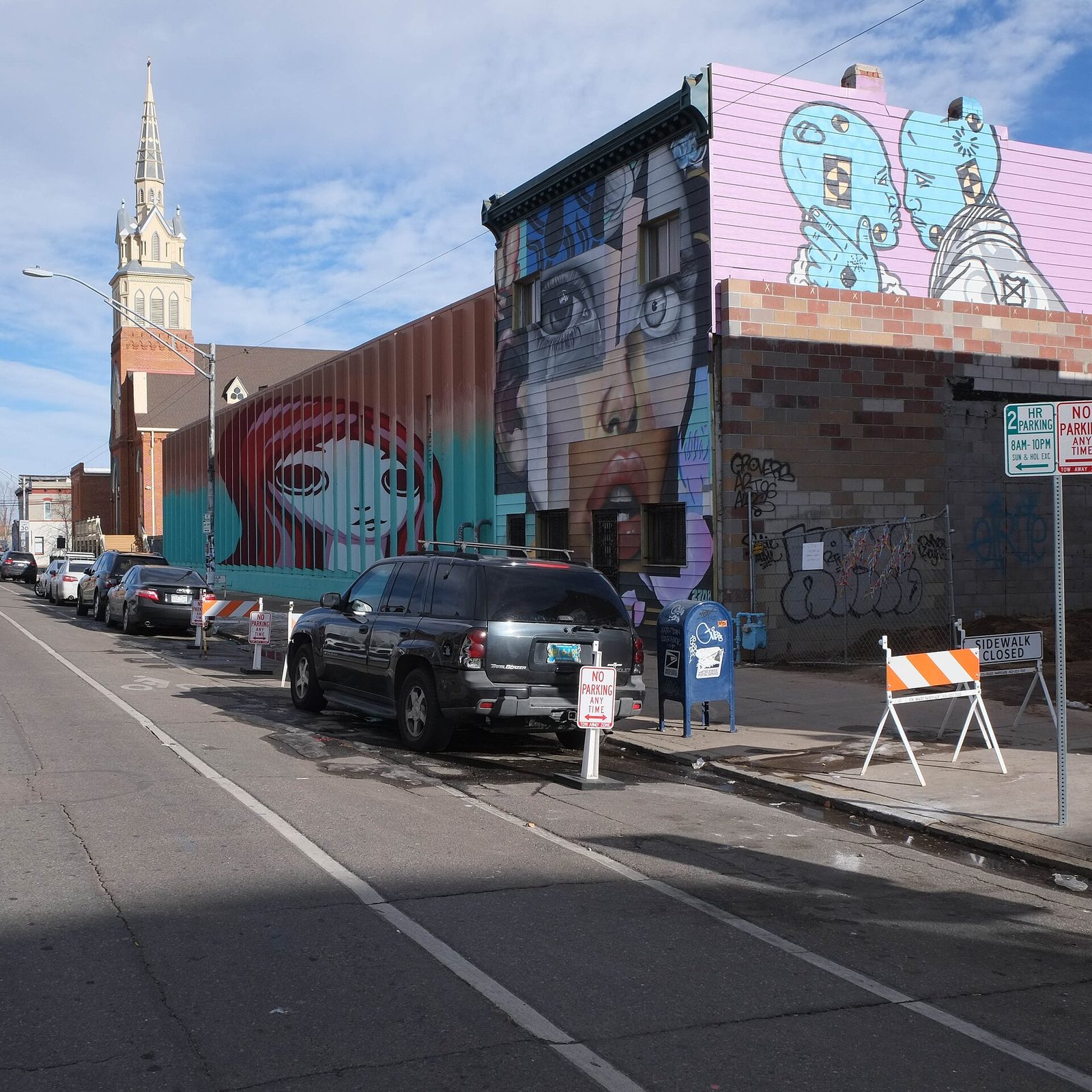
Three things happened roughly at once. The city’s population grew fast through the 2010s, bringing cooks from Chicago, New York and the West Coast who could not afford to open their own rooms there. Rents in RiNo and the Highlands — cheap industrial and residential blocks a mile from downtown — let them do it for a fraction of coastal costs. And the brewery boom had already trained a generation of Denver diners to care about where things came from and to treat a converted warehouse as a legitimate place to spend money.
The result is a restaurant culture with a distinctive shape. It skews toward small rooms with open kitchens and counter seating rather than grand dining rooms. It leans on Colorado produce and ranching with real conviction rather than as menu language. It is unusually informal — there is no restaurant in this city where you will feel wrong in good jeans — and it is more Mexican-influenced than any comparably sized American city outside the Southwest, because Denver’s Mexican food tradition long predates its fine dining and the two have grown into each other.
The weakness that comes with youth is consistency. A great many places are two or three years old, run by people doing it for the first time, in a city where labor costs and rents are both rising. That is exactly why the neighborhood-level advice on this page will outlast the names.
The Historic Tables
Two rooms in Denver are worth a meal for what they are as much as for what is on the plate.
The Buckhorn Exchange, at 1000 Osage Street, opened in 1893 and holds Colorado liquor license No. 1. The walls carry hundreds of mounted animals, the menu runs to elk, buffalo, quail and those Rocky Mountain oysters, and the whole thing is either magnificent or deeply uncomfortable depending on your relationship with taxidermy. It is a genuine piece of the American West rather than a themed reconstruction of one, which is the distinction that matters.
The Ship Tavern, on the ground floor of the Brown Palace Hotel since 1934, is a dark, nautical-themed bar-restaurant that opened the year after Prohibition ended and has changed very little. It does a fair steak and a better martini, and it is the best place downtown to sit out a snowstorm.
Beer, and Why Denver Insists On It
Denver’s identity as a beer city is not marketing. The metro area has one of the highest concentrations of breweries in the United States, the Great American Beer Festival has been held here for decades, and the modern American brewpub has a decent claim to have started at Wynkoop in 1988.
Three things to know as a visitor.
- Taprooms mostly do not serve food. They let food trucks park outside, or they let you bring your own. Seeing someone eat a pizza from a box at a brewery table is normal and nobody minds.
- They are family-friendly until evening. Dogs and children in brewery taprooms in the afternoon are standard here in a way they are not in most of the country.
- Altitude changes the arithmetic. Official visitor guidance is to go easy on alcohol until you have acclimatized. A mile above sea level, most people find that two drinks do the work of three, and dehydration compounds it. Drink water between rounds; this is the single most useful piece of advice on this page.
The Great American Beer Festival runs 10 and 11 October 2026, and for the first time it is outdoors at Levitt Pavilion rather than in the Colorado Convention Center. Hotel rates across the metro spike that weekend whether or not you are attending.
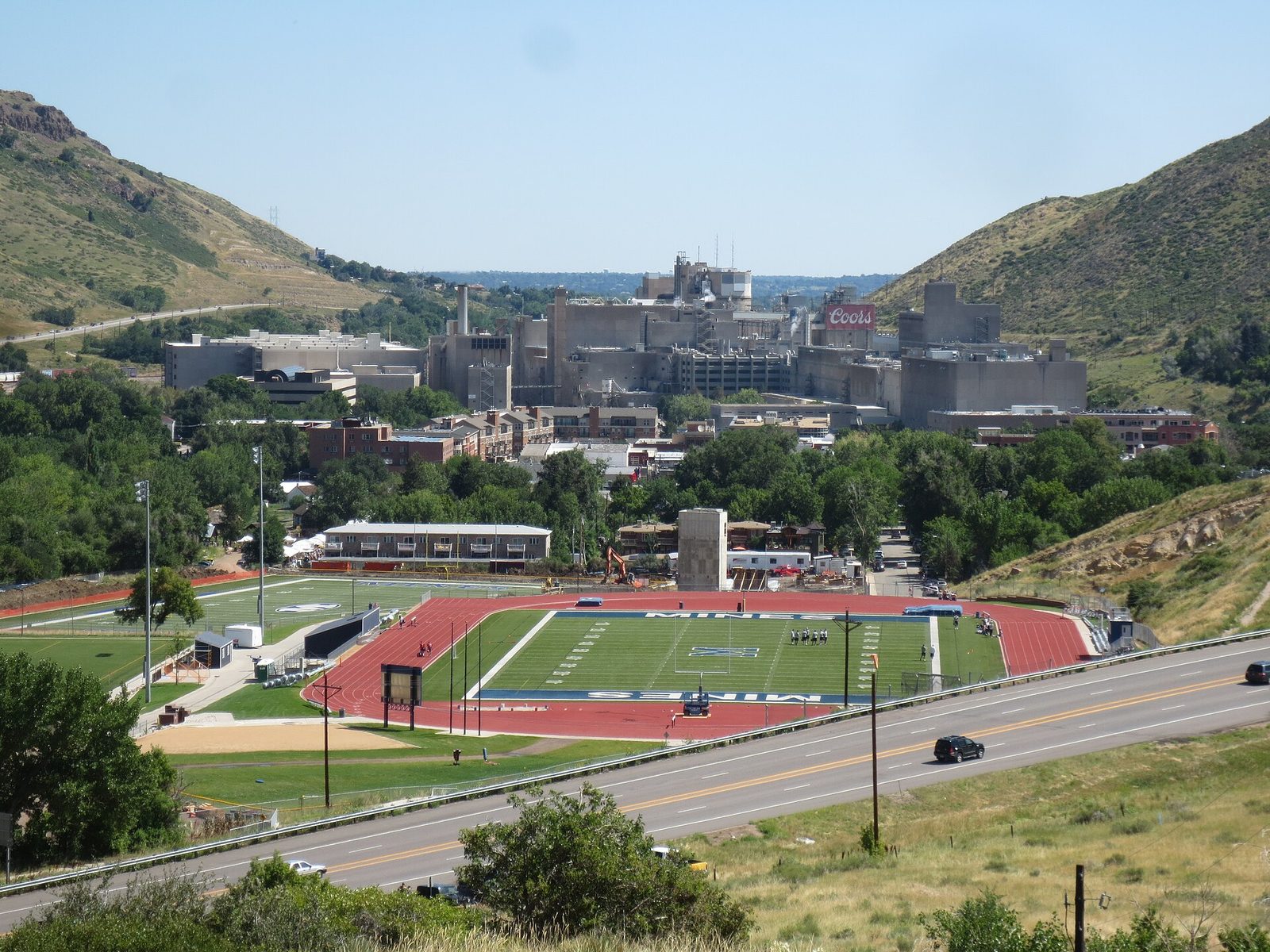
For the industrial scale of it, the Coors brewery in Golden fills a valley twenty minutes west of the city and runs tours. It is the opposite of a craft taproom in every way, and seeing both in one trip tells you more about American beer than either does alone.
Casa Bonita
It needs its own section, because it is the Denver-area restaurant people ask about most and the one most likely to disappoint if misunderstood.
Casa Bonita opened in Lakewood in 1974: a pink tower, a 30-foot indoor waterfall with cliff divers, a puppet theater, caves, a gunfight, and sopapillas delivered by flag. It closed, and was bought and restored by the creators of South Park, who spent lavishly on the building and, crucially, on the kitchen.
The practicalities matter. It is reservation-only, with no walk-ins, and reservations are released in blocks that go quickly. Premium seating near the waterfall runs around $44.99 per person; standard seating is cheaper. Adult entrées are roughly $29.99 to $39.99 and children’s from about $19.99. A card goes on file with a $10 per-person no-show fee, and a 15% service charge is added automatically.
The verdict: this is a piece of theater that serves dinner, and it is in Lakewood rather than Denver. It will consume an entire evening and a meaningful part of your budget. On a five-day trip with children, it is a highlight. On a two-night trip, that evening is better spent in the city — and the food, while much improved from the old days, is not why you would go.

Breakfast, Coffee and the Morning
Denver is a morning city — people here get up early, exercise before work and eat breakfast out far more than the national average — and the breakfast offering is correspondingly strong.
The breakfast burrito is the local form: eggs, potato, cheese and a meat wrapped in a flour tortilla, and then, crucially, smothered in green chile and eaten with a fork. Ordering it dry, to go, in a foil wrapper is the other legitimate version, and it is what half the city eats in a car on the way to a trailhead. Anywhere with a handwritten sign and a queue of people in fleece at 7am is doing it properly.
The diner tradition along Colfax and downtown handles the rest — green chile by the bowl, huevos rancheros, pancakes, and in the classic cases, all of it at any hour. This is where Denver’s cheap eating lives, and it has survived the city’s gentrification better than its lunch counters have.
On coffee, Denver punches well above its size. There is a serious roasting culture here, most of it in independent shops rather than chains, concentrated in RiNo, the Highlands, Capitol Hill and South Broadway. Two practical notes: altitude affects brewing, which is why the better shops here talk about it unprompted, and the dry air means you will drink more water alongside your coffee than you would at home, whether or not you plan to.
Vegetarian, Vegan and Dietary Needs
Better than the steak-town reputation suggests, and improving fast. Denver has a well-established vegetarian and vegan scene concentrated in Capitol Hill, South Broadway and the Highlands, and almost every ambitious restaurant in the city now runs a genuine vegetarian option rather than a token pasta.
Mexican and Vietnamese kitchens along Federal Boulevard are reliable for vegetarians who ask — though bear in mind that green chile is usually pork-based, so a “vegetarian smothered burrito” is a contradiction unless the kitchen makes a separate vegetarian chile, which many do and will tell you about.
Gluten-free is widely and competently handled, in part because Colorado’s health-conscious food culture normalized it early. Halal and kosher options exist but are concentrated in specific areas rather than spread across the city, so plan those rather than assuming.
Markets and Food Events Through the Year
Denver’s food calendar has a few fixed points worth planning around.
- Farmers’ markets run from late spring into October across the city, with the South Pearl Street market on Sundays among the best known. Late summer is when Palisade peaches and Olathe corn arrive and the markets are genuinely worth a morning.
- First Friday on Santa Fe Drive and in RiNo turns gallery openings into a street event with food trucks, monthly and free.
- The Great American Beer Festival, 10 and 11 October 2026, outdoors at Levitt Pavilion for the first time. Tickets sell out; hotel rates spike.
- Taste of Colorado over Labor Day weekend fills Civic Center Park with stalls from restaurants across the metro area. It is crowded, it is not fine dining, and it is an efficient way to sample a lot of the city at once.
- Restaurant week in late winter offers fixed-price menus at hundreds of restaurants and is the single best time to try the expensive rooms cheaply.
Eating on the Way to the Mountains
If your trip includes a day heading west on I-70, the food on that route is worth planning rather than leaving to a gas station.
Golden, fifteen miles out, has a real main street with brewpubs and cafés along Clear Creek, and it is the natural lunch stop after a Red Rocks morning. Morrison, at the Red Rocks south gate, is two streets of restaurants and patios that fill with motorcycle traffic on weekends.
Idaho Springs, 35 minutes up the highway, is where Colorado’s mountain pizza tradition lives — a thick-crusted, honey-drizzled style served at Beau Jo’s since the 1970s, which is either a regional specialty or a curiosity depending on who you ask, and is worth the stop either way. Georgetown, ten minutes further, has a handful of Victorian-storefront restaurants and considerably fewer crowds.
One rule for all of it: mountain-town kitchens close earlier than Denver’s, sometimes by 8pm midweek and earlier in shoulder season. Eat on the way up, not on the way back.
Eating Well Without Spending Much
Denver has become expensive, and the gap between the tourist core and the rest of the city is wide. Four strategies close it.
- Lunch at the expensive places. Several ambitious downtown kitchens run a midday menu at close to half the dinner price, in the same room with the same cooking.
- Happy hour is a meal here. Generally 3pm to 6pm, and in RiNo and along Blake Street it means real plates rather than bar snacks.
- Drive to Federal. The best-value eating in the metro area by a distance, and the most interesting.
- Food halls and trucks. Denver’s food-hall format is strong, and brewery food trucks let a group of four eat four different cuisines at one table for $60.
What downtown genuinely lacks is a cheap-eats street. There is no Chinatown, no dense taquería row, no late-night noodle strip within the walkable core. Recognizing that early and planning one trip out to Federal or Colfax is the difference between eating well in Denver and eating adequately.
Practical Rules for Eating in Denver
Eat early. Denver runs on an early schedule: 7pm is prime time, most kitchens wind down by 9.30 or 10 on weeknights, and a 9pm reservation at a serious restaurant is often the only one left because nobody local wants it.
Book weekends, walk in midweek. Friday and Saturday in LoDo, RiNo and the Highlands need reservations. Tuesday and Wednesday almost anywhere does not.
Patios are the default. With 300-plus days of sunshine, outdoor seating operates far later into the year than visitors expect, often with heaters into November. If the weather is good, ask for the patio.
Tipping is standard American practice — 18 to 20% — except where an automatic service charge has already been added, as at Casa Bonita. Read the bill.
Altitude affects appetite and alcohol. Many visitors eat less and feel drink more on their first day. Plan the big dinner for night two.
What Denver’s Food Scene Gets Wrong
- Believing its own hype about steak. Denver has good steakhouses. It does not have better steakhouses than Chicago or Dallas, and the money is better spent on a tasting counter or a Federal Boulevard taquería.
- The 16th Street corridor. A billion-dollar rebuilt street lined with the same chains you have at home. Walk two blocks in any direction before you sit down.
- Rocky Mountain oysters as a recommendation. They are a novelty, and guides that present them as a must-try are selling you a story rather than a meal.
- Hotel restaurants. With the exception of the historic properties, they are unremarkable, and you are almost always five minutes from something better.
- Brunch queues. Denver’s weekend brunch culture produces 90-minute waits at a handful of Instagram-famous rooms for food that is, at best, fine. Eat breakfast at a diner at 8am instead and get your morning back.
Frequently Asked Questions
What food is Denver known for?
Colorado green chile above all — a thicker, pork-based stew served over burritos and breakfast plates, distinct from the New Mexico version. Beyond that: game meat, particularly bison and elk; an unusually strong Mexican food scene concentrated on Federal Boulevard and Santa Fe Drive; Palisade peaches and Olathe corn in late summer; and beer, at a density few American cities match.
Does Denver have Michelin-starred restaurants?
Yes. The Michelin Guide came to Colorado in 2023 and the 2026 statewide selection, announced on 14 September 2026, named ten starred restaurants with none demoted. The Wolf’s Tailor in Denver holds two stars — the first two-star restaurant in the state — and Denver’s one-star list includes Beckon, Alma Fonda Fina, Mezcaleria Alma, Kizaki and the newly starred Milpero.
Where do locals eat in Denver?
Federal Boulevard for Mexican and Vietnamese, Colfax and Capitol Hill for cheap and late, the Highlands and South Pearl for neighborhood dinners, and RiNo for going out. The downtown core is where visitors eat; it is good, and it is not where most of the city’s interesting cooking happens.
Is Casa Bonita worth it?
As an experience with children, or as a piece of Americana you have heard about for years, yes. As dinner, no — and it is reservation-only with no walk-ins, around $44.99 a head for premium seating plus entrées at $29.99 to $39.99 and an automatic 15% service charge. On a short trip, the evening is better spent in Denver itself.
How expensive is eating out in Denver?
Mid-range and rising. Expect roughly $15 to $20 for a good casual meal, $30 to $50 a head for a mid-range dinner with a drink, and $100 upward at the tasting counters. Federal Boulevard and the Colfax diners run well below that, and lunch menus at ambitious downtown restaurants are the most reliable saving in the city.
Do I need reservations in Denver?
For Friday and Saturday evenings in LoDo, RiNo and the Highlands, yes. For the starred restaurants, book weeks ahead. Midweek, most of the city takes walk-ins comfortably, and Denver’s early dining pattern means a 5.30pm or 9pm table is often available when 7pm is not.
Is Denver a good city for craft beer?
One of the best in the United States. The metro area has an unusually high concentration of breweries, the Great American Beer Festival is held here, and the modern American brewpub has a strong claim to have started at Wynkoop in 1988. Taprooms generally do not serve food — food trucks park outside, or you bring your own — and they are family-friendly and dog-friendly in the afternoon. Drink less than you would at sea level and more water than you think you need.
What should I eat in Denver if I only have one meal?
A smothered breakfast burrito or a plate of green chile, somewhere unglamorous. It is the thing Denver does that nowhere else does in quite the same way, it costs under $15, and it will tell you more about the city than a $180 tasting menu that could be in any American city with a good chef.
What is Colorado green chile?
A pork-based green chile stew, usually thicker than the New Mexico style and often containing tomato, served smothered over burritos, breakfast burritos and enchiladas, or eaten as a bowl with a tortilla. Heat varies enormously between kitchens. Ordering a burrito “smothered, Christmas” gets you both red and green.
The restaurant geography on this page follows the shape of the city itself, and a little neighborhood context makes it easier to navigate — why Federal Boulevard is where it is, what Five Points was before it gentrified, and which small commercial streets are the leftovers of vanished streetcar lines. Our Denver neighborhoods guide fills that in.
Dinner is only half of how this city eats and drinks. The same warehouse districts that hold the restaurants on this page hold the densest concentration of taprooms in the country outside a handful of West Coast cities, and a RiNo afternoon costs nothing but the beer. Our guide to Denver breweries covers the districts worth walking, how a taproom actually works when it has no kitchen, and what the altitude does to a crawl.
For a meal that is as much history as dinner, the Buckhorn Exchange has served steaks, game and Rocky Mountain oysters since 1893 and holds Colorado Liquor License No. 1. It features in our guide to unique things to do in Denver, alongside Casa Bonita’s cliff divers and afternoon tea in the Brown Palace atrium.
Related Denver Guides
- Denver Itinerary: How to Plan One to Five Days in the City — where the meals fit, and which evening to give up for Casa Bonita.
- Downtown Denver: A District-by-District Guide to the City Core — the restaurant geography of LoDo, Larimer Square and the Dairy Block.
- Where to Stay in Denver: Neighborhoods, Costs and Trade-offs — which base puts you nearest the food you actually want.
Photo Credits
Casa Bonita tower at night: photo by Kevin Payravi / Wikimedia Commons (CC BY-SA 4.0)
Casa Bonita theater: photo by Kevin Payravi / Wikimedia Commons (CC BY-SA 4.0)
Coors brewery, Golden: photo by Ariarmstrong / Wikimedia Commons (CC BY-SA 4.0)
Award listings were checked against the Michelin Guide’s 2026 Colorado selection, announced 14 September 2026, and Casa Bonita’s pricing against its own booking information. Restaurants open, close and change hands constantly; confirm any specific address before you build an evening around it.
Denver Tourism Guide is an independent publication. We are not affiliated with VISIT DENVER, the City and County of Denver or any attraction listed here.